
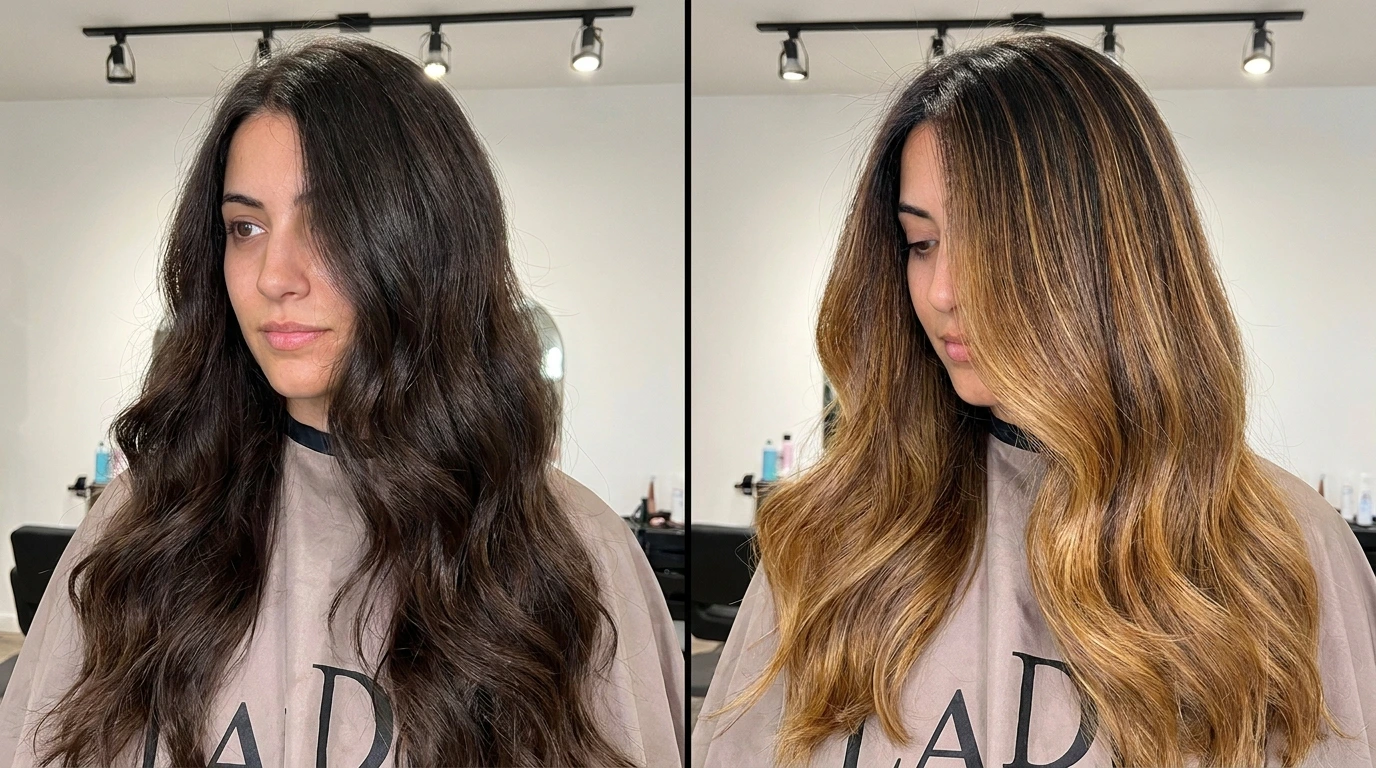
Balayage hair blonde is the only blonde technique that tells the truth about how hair actually grows. Every other method draws a hard line where color starts and stops. Balayage skips the line entirely, hand-painting light onto hair the way sun does over a season, so the brightest pieces land exactly where a face would naturally catch light. That’s the whole argument for it: it doesn’t fight your natural color, it negotiates with it.
This isn’t a list of 28 interchangeable “looks.” It’s a color journey through every register of blonde that exists, from the deepest honey to the coolest silver, and every stop comes with the kind of lived-in hair color perspective a colorist gives you in the chair, not the version that shows up in a filtered photo. You’ll get the mood of each shade, the technique reality behind it, who it actually flatters, and the honest maintenance truth most people find out only after they’ve already committed.
Some of these shades are quiet. Some are loud. All of them are meant to grow out looking intentional instead of accidental, which is the entire point of a good hand painted hair color job. Let’s start where the color itself starts: the spectrum.
The Blonde Balayage Spectrum: Understanding Where Your Shade Lives
Before picking a shade, it helps to know where balayage hair blonde actually lives on the temperature scale, because warm blonde balayage and icy blonde balayage aren’t just different colors, they’re different relationships to your skin and your undertone.
◈ THE WARMEST END Shade family: honey, caramel, gold Skin tone harmony: warm and golden undertones, deeper natural bases The feeling it creates: like the last hour of daylight before dinner, everywhere at once Maintenance reality: fades soft instead of brassy, but needs a warm gloss every few months to stay rich
◈ WARM-NEUTRAL Shade family: dirty blonde, beige, wheat Skin tone harmony: most skin tones, especially medium and olive The feeling it creates: effortless, like you were born with it and never had to think about it Maintenance reality: the lowest-maintenance zone on this entire spectrum
◈ TRUE NEUTRAL Shade family: natural blonde, sand Skin tone harmony: fair to medium, neutral undertones The feeling it creates: quiet confidence, nothing performing for attention Maintenance reality: easy to match to a natural base, easy to keep looking natural
◈ COOL-NEUTRAL Shade family: ash, mushroom blonde Skin tone harmony: cool and pink undertones The feeling it creates: a little untouchable, a little editorial Maintenance reality: purple shampoo becomes part of your weekly routine, not optional
◈ THE COOLEST END Shade family: icy, platinum, silver-blonde Skin tone harmony: cool undertones with high contrast features The feeling it creates: deliberate, almost architectural Maintenance reality: the highest commitment on this list, full stop
1. Honey Blonde Balayage, the Shade That Makes Every Skin Tone Glow
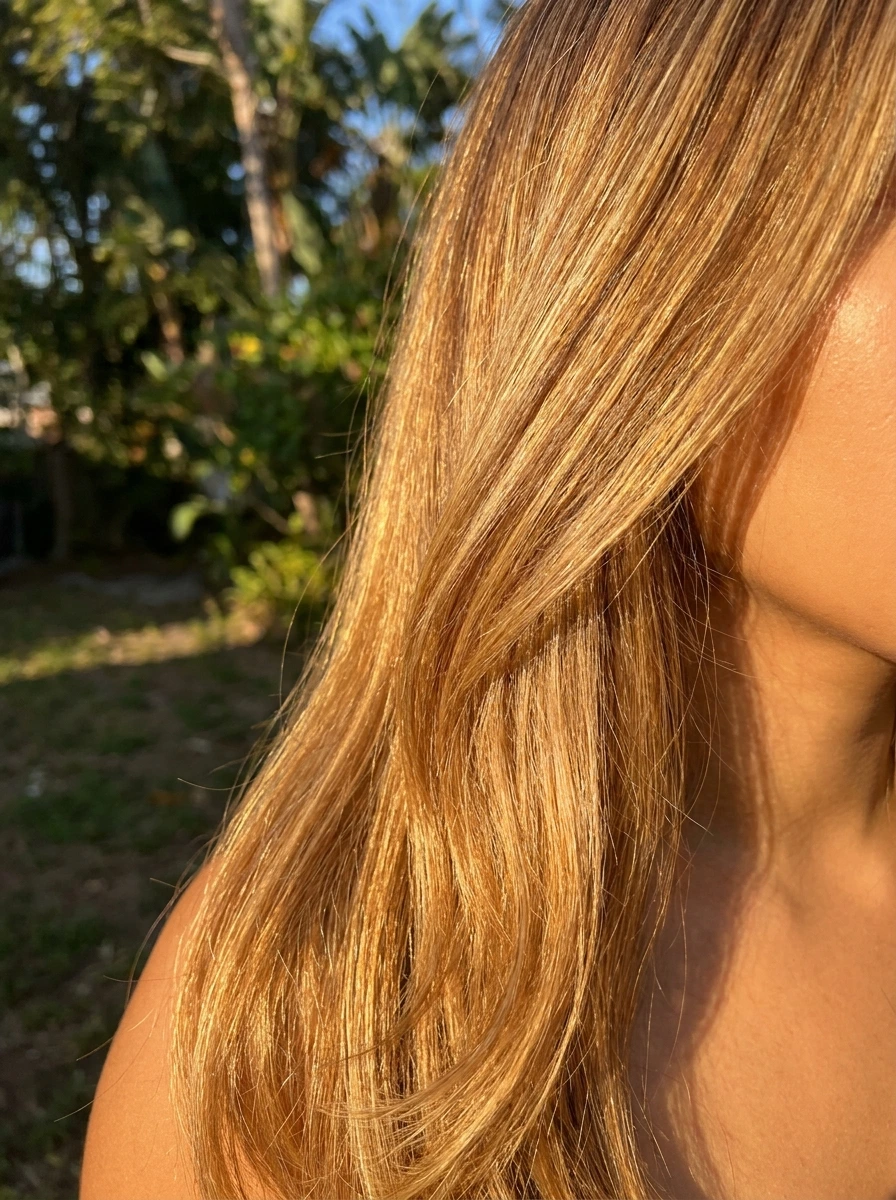
Honey blonde balayage reads like warmth caught mid-motion, gold that deepens near the roots and lifts toward the ends without ever looking like a hard transition. A colorist builds it by hand-painting lightener in soft, vertical strokes concentrated where a face naturally catches light, then finishing with a warm gloss so the yellow undertone reads as honey instead of brass. It belongs to anyone with a golden or olive undertone who wants richness without a full head of foils. This is one of the friendliest entry points into balayage hair blonde precisely because it forgives a slightly uneven grow-out, and pairs beautifully at a celebration style guide for anyone photographing this shade at an event. The honest note here: honey needs a warm-toned gloss refresh every eight to ten weeks or it starts sliding toward a duller, flatter blonde than the one you asked for.
2. Golden Warm Balayage on Dark Brown Hair, the Transformation That Takes Real Patience
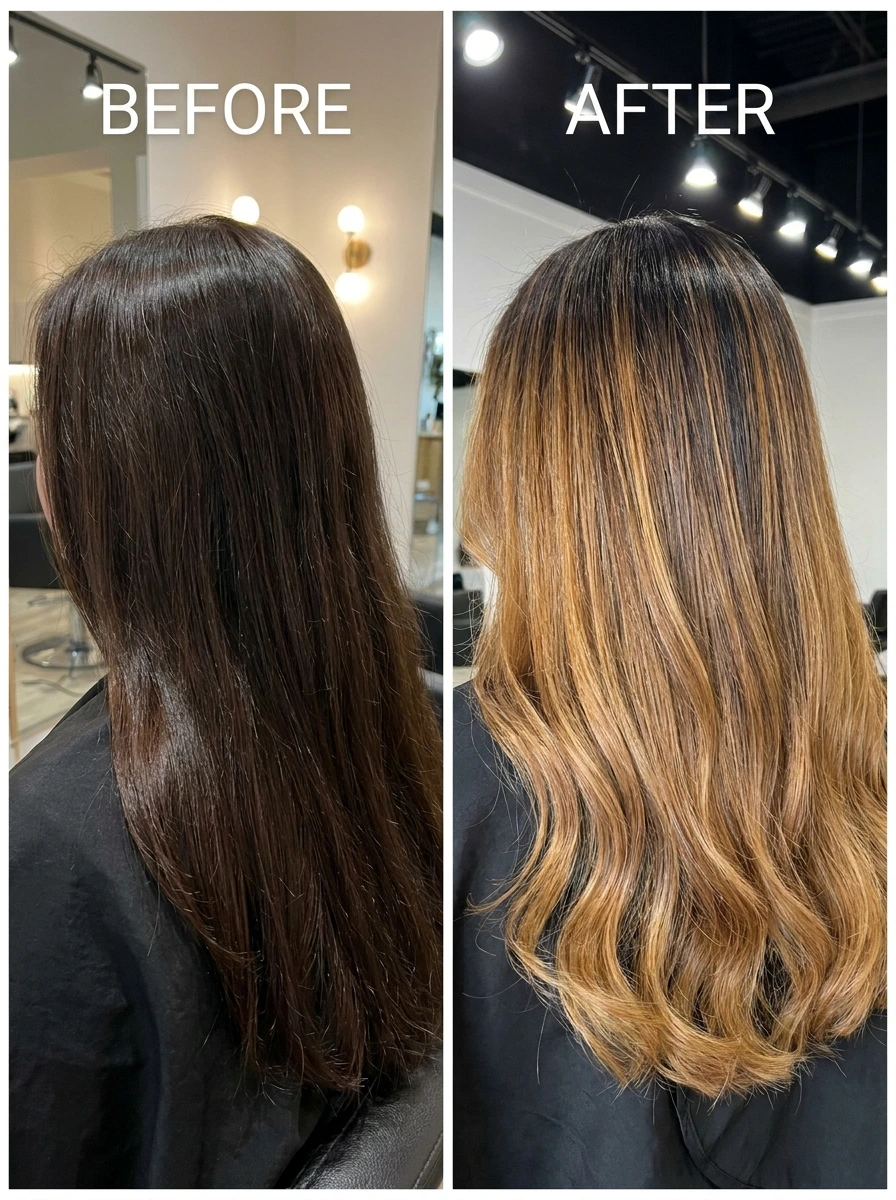
Going golden on a naturally dark brown base feels less like a color change and more like watching a photograph develop, slow and layered instead of instant. Colorists lift dark strands in careful sections, often over two sessions, so the hair’s structure survives the trip from deep brown to warm gold without snapping under the strain. This shade belongs to someone with dark natural hair and real patience, not someone chasing a same-day transformation. Blonde balayage on dark hair like this depends entirely on healthy strands going in, which is why a bond-focused treatment matters as much as the color itself. The honest note: rushing this into one appointment is how dark hair ends up orange instead of gold.
3. Caramel Blonde Balayage for a Rich Sun-Kissed Result
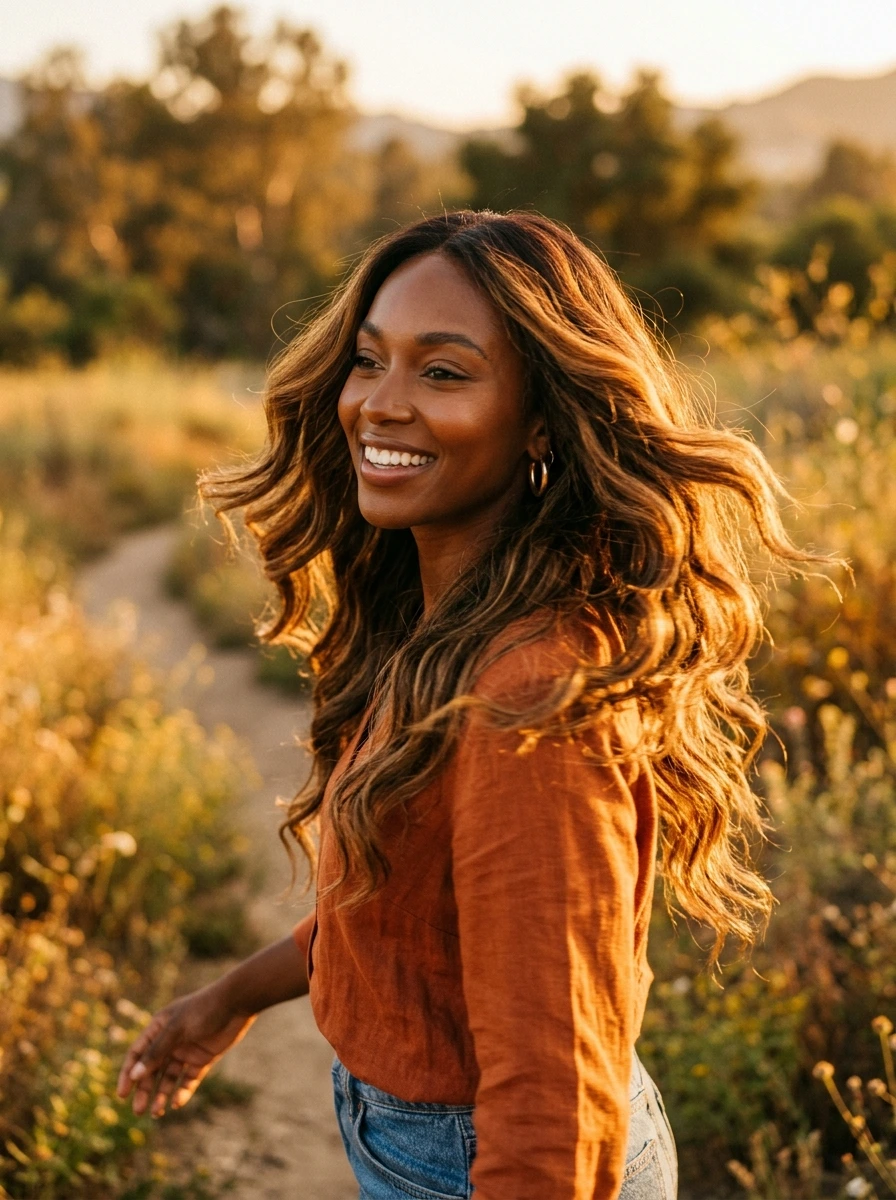
Caramel balayage sits one shade deeper than honey, closer to amber than gold, and it reads like hair that’s spent a whole summer outside without ever seeing a bottle of bleach. The technique leans on thicker, more concentrated painted sections through the mid-lengths so the color pools richly instead of spreading thin. It flatters warm and deep skin tones especially well, and works on almost any natural starting shade from light brown up. This is warm balayage at its most saturated, the version that photographs like sun-kissed hair color rather than salon color. The honest note: caramel is gorgeous fresh but it’s also the shade most likely to look muddy if the toner underneath isn’t refreshed on schedule.
4. Warm Blonde Balayage With Face Framing That Changes Everything About the Look
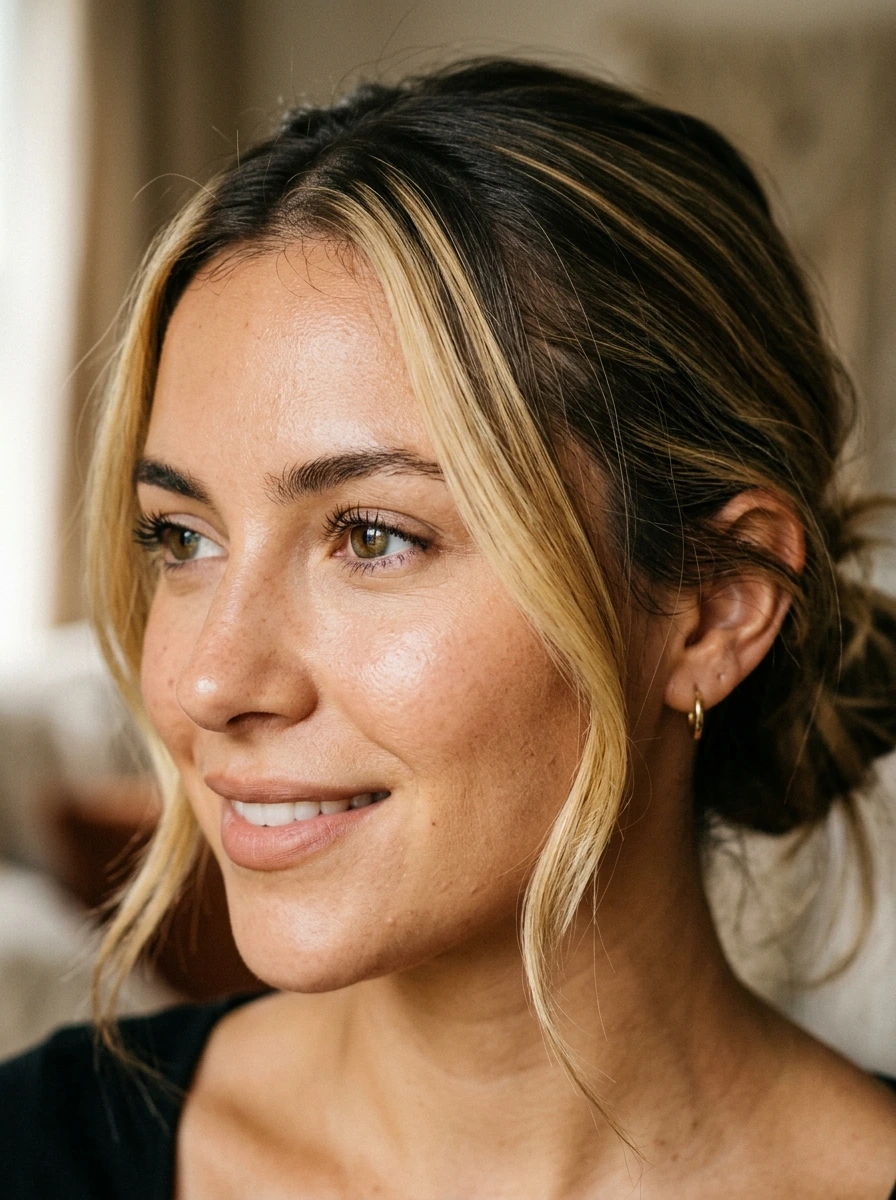
Face framing balayage is the difference between hair that has color and a face that has light around it, and it’s the single most requested placement request in any consultation room. The colorist paints the brightest, most concentrated pieces directly around the hairline and the pieces that fall near the cheekbones, leaving the rest of the head more subtly done. It works for literally every face shape because the placement is customized in the chair, not from a photo. This kind of targeted warm blonde balayage does more visual work with less product than an all-over lift, and it’s the fastest way to look brighter without committing to a full head. The honest note: it only works if your stylist actually looks at your face shape before painting, not just your hair texture.
5. Bronze and Copper-Blonde Balayage for Maximum Warmth
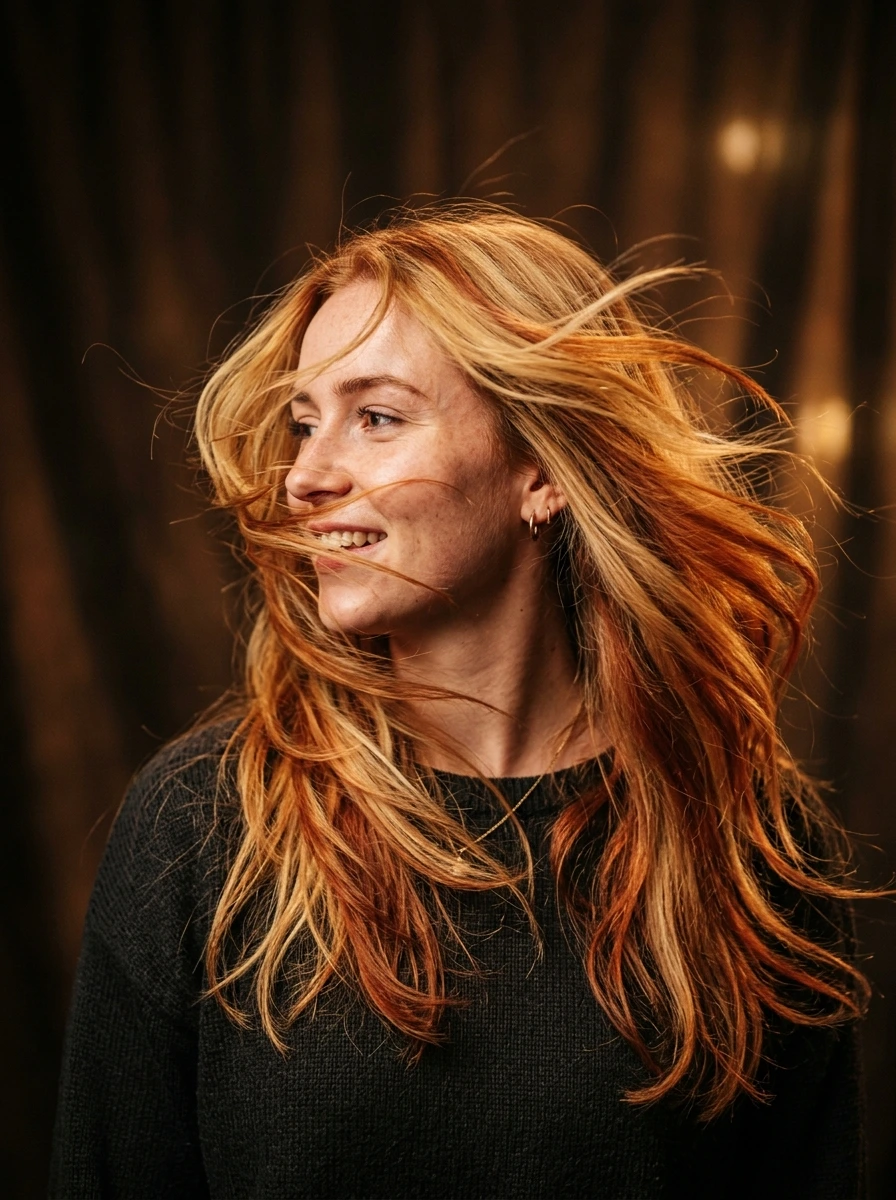
Bronze balayage pushes past honey into something closer to a lit ember, warm blonde with a visible red-gold undercurrent that most other blonde techniques can’t hold onto. It’s built by layering a copper-leaning gloss over warm-lifted sections, which is what keeps it from reading as simply “orange blonde” by accident. This shade belongs to redheads going lighter and warm brunettes who want drama without going platinum. As the season shifts, this is one of the shades that genuinely intensifies in the right light, making it a strong match for a fall color story if you’re building a whole seasonal aesthetic around it. The honest note: copper tones fade fastest of any warm family, so plan on more frequent glossing than a standard honey blonde.
6. Honey Blonde Balayage on Dark Hair, the Realistic Step-by-Step Color Journey
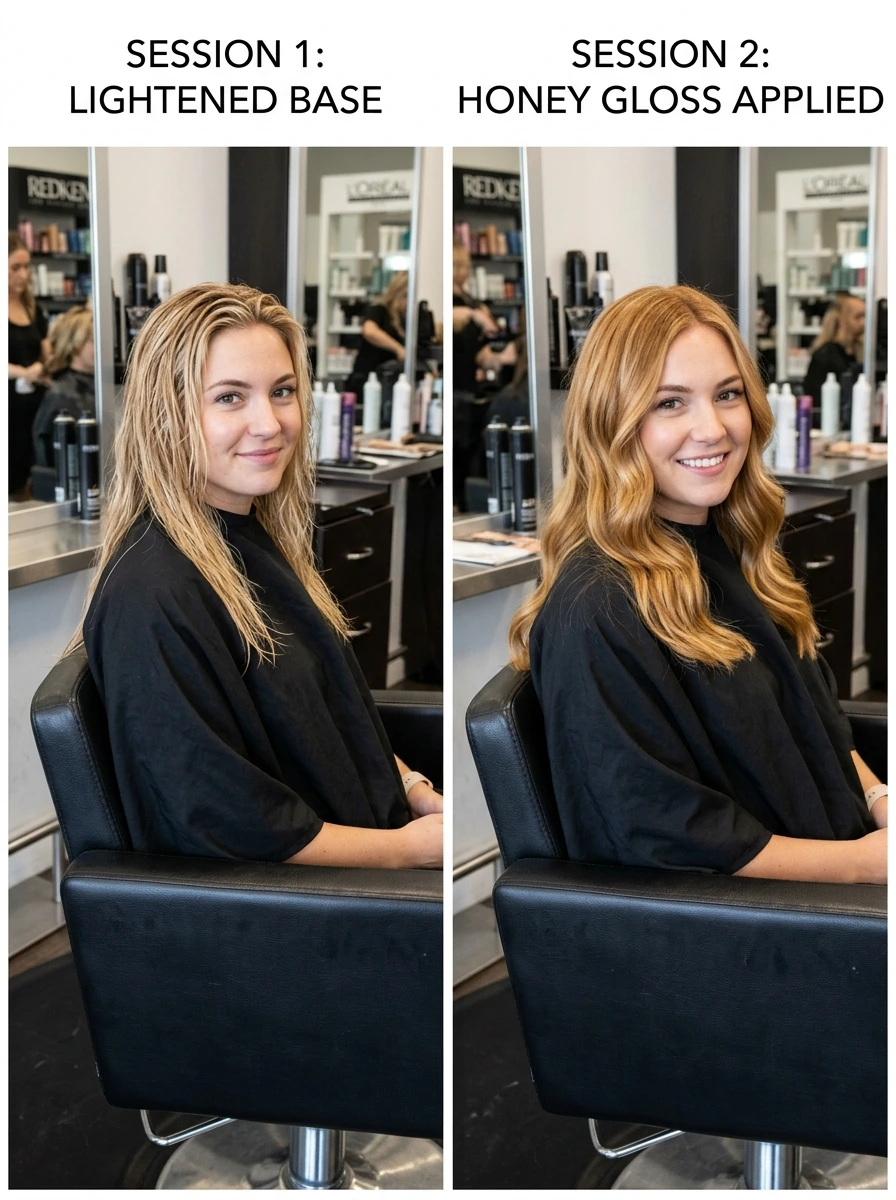
Honey blonde balayage on dark hair is rarely a single visit, and pretending otherwise is where most at-home attempts go wrong. The realistic version starts with a lightening session that gets the hair to a warm underlying yellow, followed by a second appointment weeks later that refines placement and finally deposits the honey gloss on top. It suits anyone starting from a natural dark brown or black base who is genuinely willing to book two appointments instead of one. This is warm blonde balayage built the honest way, in stages, rather than forced. The note every colorist wishes clients heard sooner: skipping a session to save money almost always means damaged, brassy hair instead of saved time.
The Color Reality: Dark to Honey
◇ Starting point requirement: natural level 4 or darker needs a strategic lift, not a single all-over bleach pass ◇ Number of sessions realistic: two, spaced four to six weeks apart, for anyone starting dark ◇ Maintenance product needed: a bond-repair treatment used between salon visits, not just the day of ◇ Grow-out behavior honest note: the root shadow will look intentional for months if the initial placement was soft, not harsh
🍯 The Warm Blonde Balayage Skin Tone Guide: Which Honey Shade Works for Your Undertone
Warm undertone: Warm Best warm balayage shade: golden honey blonde Why it works: it doubles down on the same warmth already living in your skin, so nothing fights for attention Avoid: ashy or icy tones, which tend to wash warm undertones out
Cool undertone: Cool Best warm balayage shade: soft caramel, kept light-handed Why it works: a touch of warmth balances a cool undertone without overwhelming it Avoid: heavy copper or bronze, which can look harsh against pink undertones
Neutral undertone: Neutral Best warm balayage shade: honey blonde balayage on dark hair, medium intensity Why it works: neutral undertones can carry almost any warm shade without a fight Avoid: nothing off-limits here, though extremely bright copper can still feel like a lot
Olive undertone: Olive Best warm balayage shade: bronze or golden caramel Why it works: olive skin has a natural depth that warm gold tones complement rather than compete with Avoid: pale, icy beige, which can make olive undertones look sallow instead of luminous
Anyone planning to wear this color to an event should look at how each of these shades reads under different lighting, since a fall color story built around warm tones will photograph completely differently than one built around cool ones.
7. The Warm Balayage That Looks Like Two Weeks in the Sun Without a Single Strand of Damage
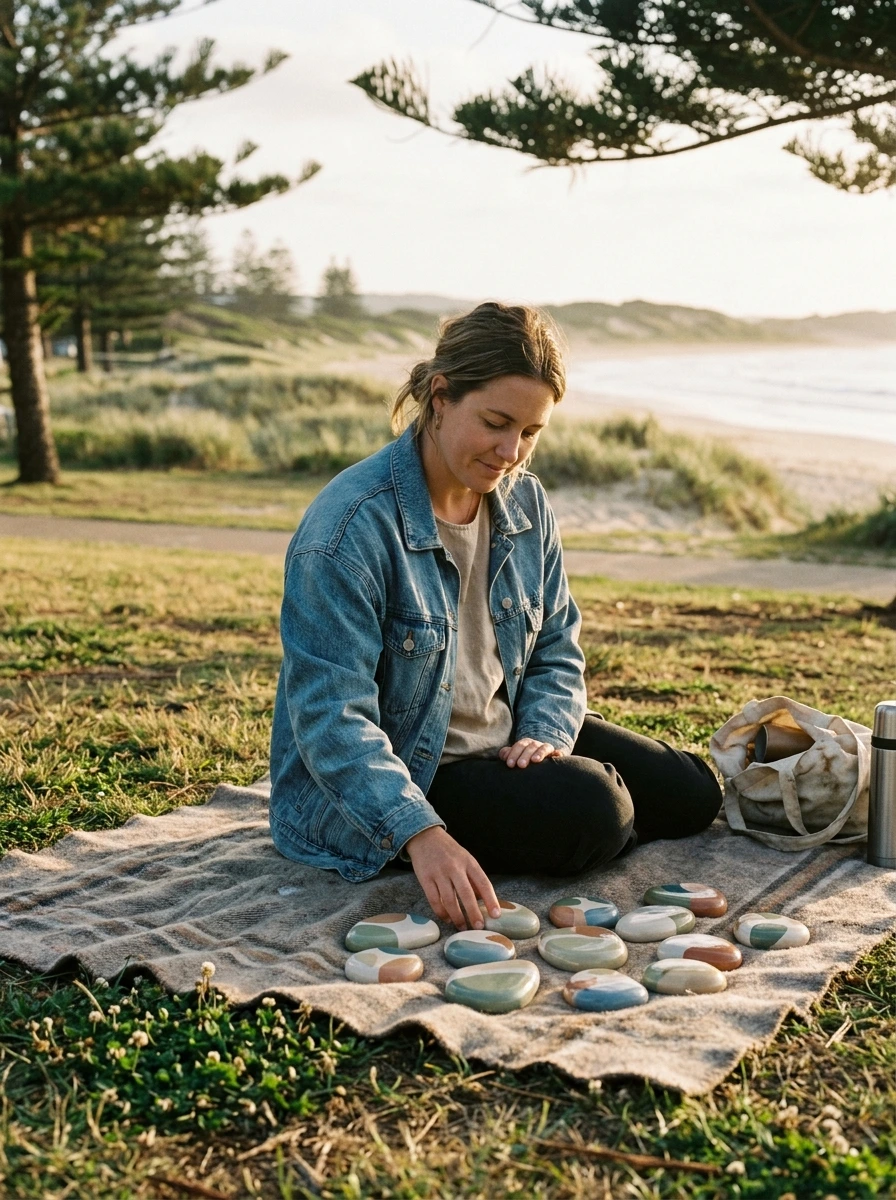
There’s a specific version of warm balayage designed to look like the result of two weeks somewhere bright, not two hours in a salon chair, and it’s built entirely around restraint. The colorist paints fewer, thinner sections than a full balayage, leaving more of the natural base untouched so the lightened pieces read as sun damage instead of salon work. It’s ideal for anyone with naturally warm hair who just wants a lift, not a transformation. This approach protects hair integrity better than almost any other warm blonde balayage method because there’s simply less bleach involved overall. The honest note: because so little is actually lightened, this shade needs the least maintenance of the entire warm chapter, but it also fades to “barely there” the fastest.
8. Dirty Blonde Balayage, the Shade That Defined a Generation of Hair Color
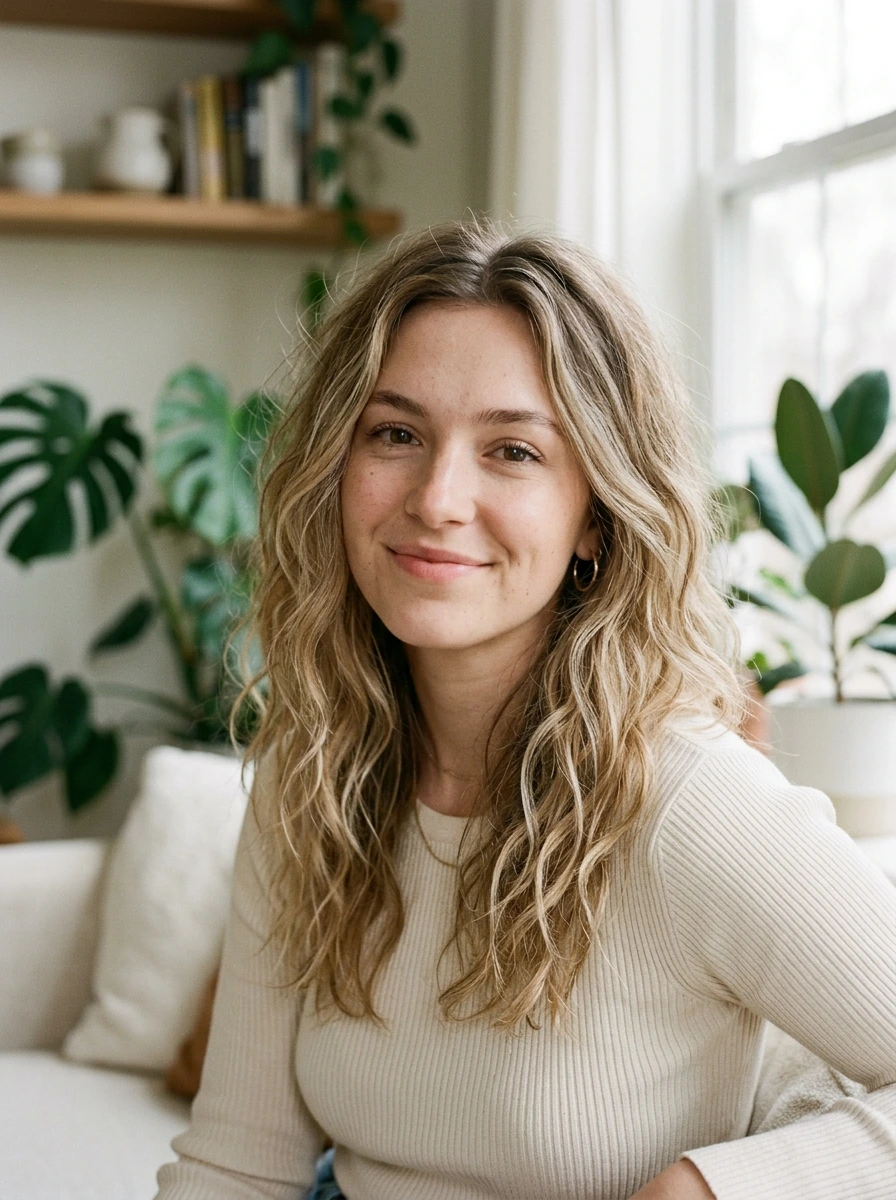
Dirty blonde balayage isn’t really one shade, it’s a mood, a deliberately unglamorous blend of light brown and blonde that refuses to commit fully to either. The technique keeps most of the base intact and paints in soft, low-contrast pieces so the whole effect reads as texture rather than color. It suits nearly everyone, especially people with a natural dishwater or ash-brown base who don’t want to fight their own roots forever. This is lived in hair color in its purest form, the entire reason balayage hair blonde became the default request instead of full highlights. The honest note: dirty blonde looks effortless precisely because it takes a skilled hand to make low-contrast placement look intentional instead of patchy.
9. The Beige Blonde Balayage That Works When Nothing Else Does
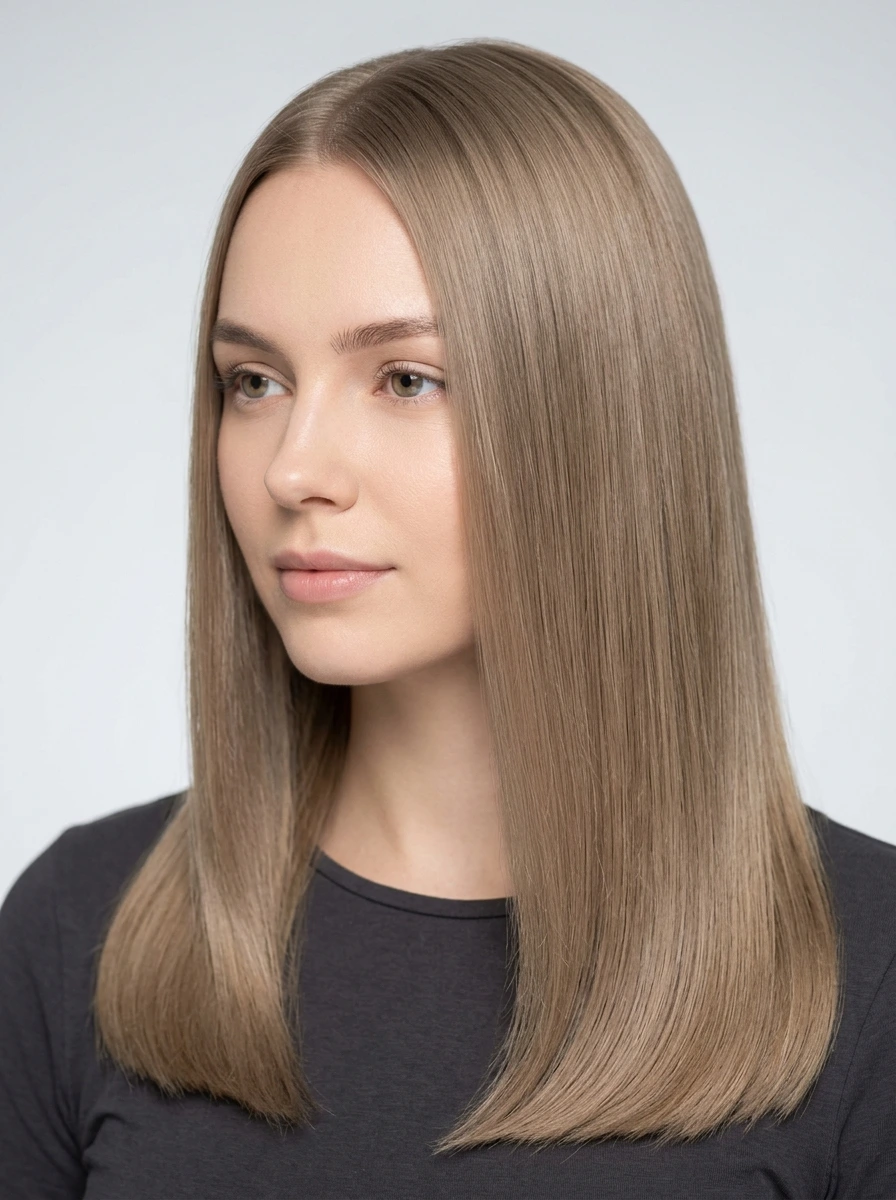
Beige blonde balayage sits in the narrow, forgiving middle ground between warm and cool, neither gold nor ash, which is exactly why it works on more people than almost any other shade on this list. Colorists build it with a balanced toner that cancels both brassy yellow and flat gray undertones at once. It flatters neutral undertones especially well, but its real strength is how it behaves on people who’ve been disappointed by both warm and cool blondes in the past. Beige blonde balayage is often the answer for anyone who says “I don’t know what I want, just not orange and not gray.” The honest note: beige requires the most precise toning formula of any shade here, so this isn’t the one to trust to an inexperienced colorist.
10. Brunette Balayage Hair Blonde, Where Brown Ends and Blonde Begins
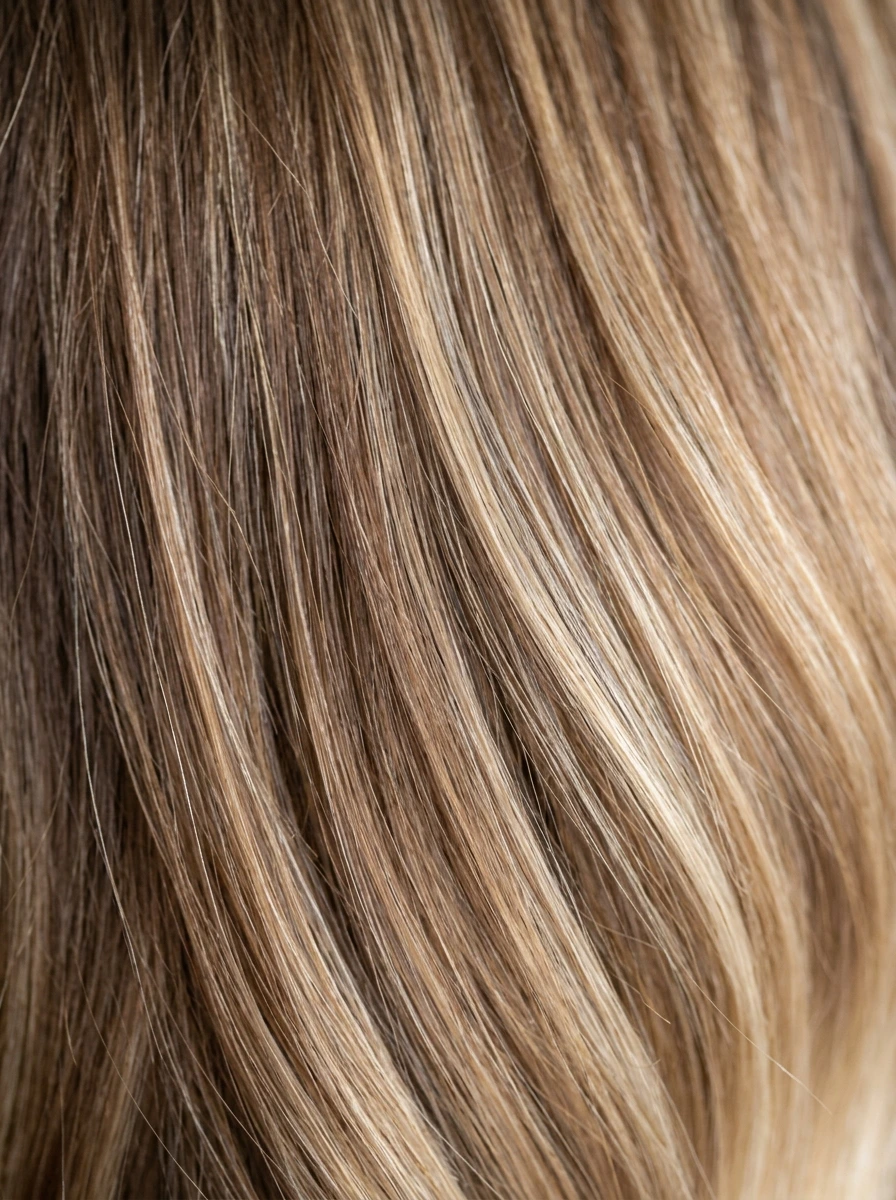
There’s a specific kind of magic in brunette balayage hair blonde done right, where you genuinely can’t point to the exact spot where brown stops and blonde starts. The color melt technique blends multiple toner shades together at the mid-lengths so the transition happens over inches instead of at a hard line. It’s built for brunettes who want blonde pieces without losing the depth and richness of their natural color entirely. This is brown to blonde balayage in its most seamless form, and it’s the version most likely to survive a bad hair day still looking deliberate. The honest note: this blend only stays seamless if you get the mid-length melted section refreshed before the roots grow out too far past it.
11. Brown to Blonde Balayage, the Color Melt That Looks Like Natural Growth
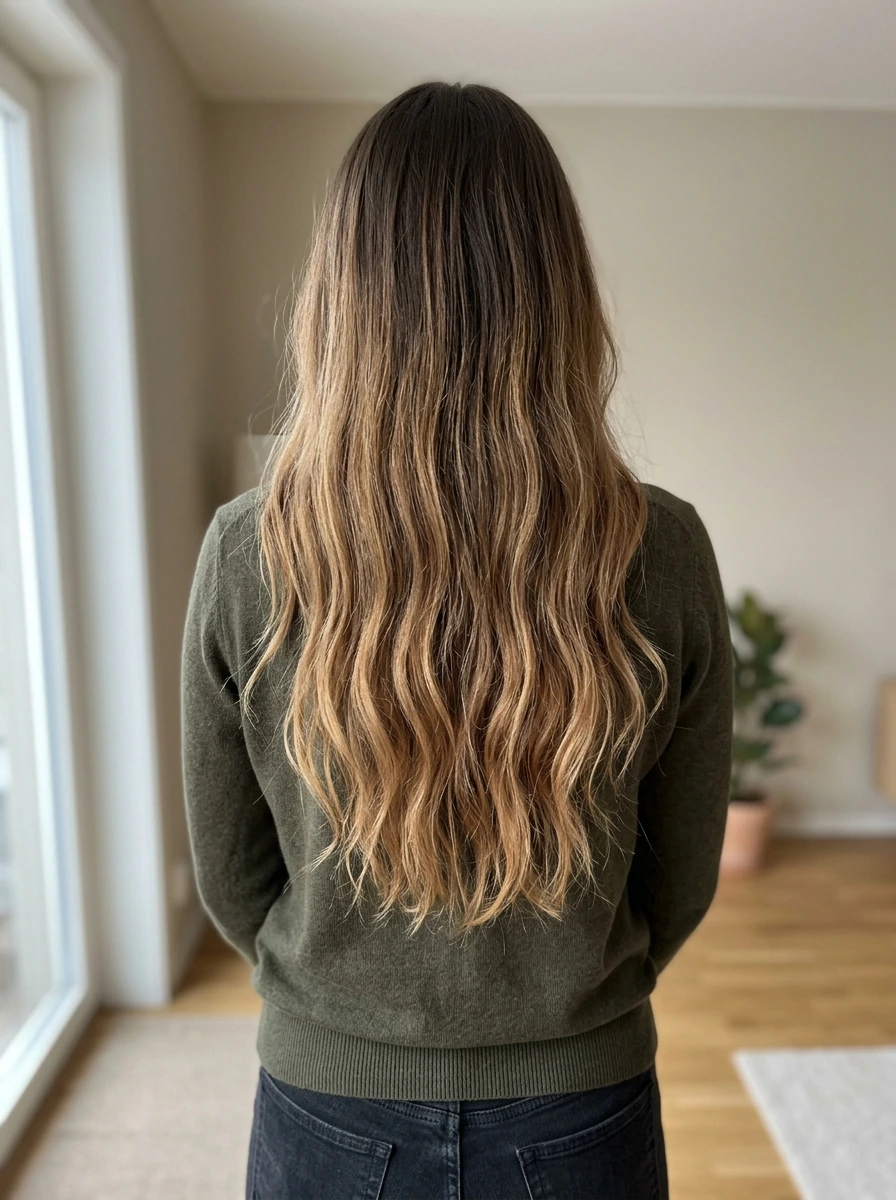
Brown to blonde balayage, done as a true color melt, is designed to look less like a color service and more like hair that simply lightens naturally toward the ends the way some people’s hair genuinely does in childhood. The technique layers two or three toning formulas that gradually shift in warmth and lightness from root to tip. It’s the go-to for anyone whose natural hair actually does something similar already, since the goal is enhancement, not invention. This is balayage color technique working exactly as intended, subtle enough that people ask if you’ve “done something” without being able to say what. The honest note: the more natural the melt looks, the more precisely it has to be blended, which usually means a longer appointment, not a shorter one.
12. Wheat and Sand Blonde Balayage for the Most Understated Result on This List
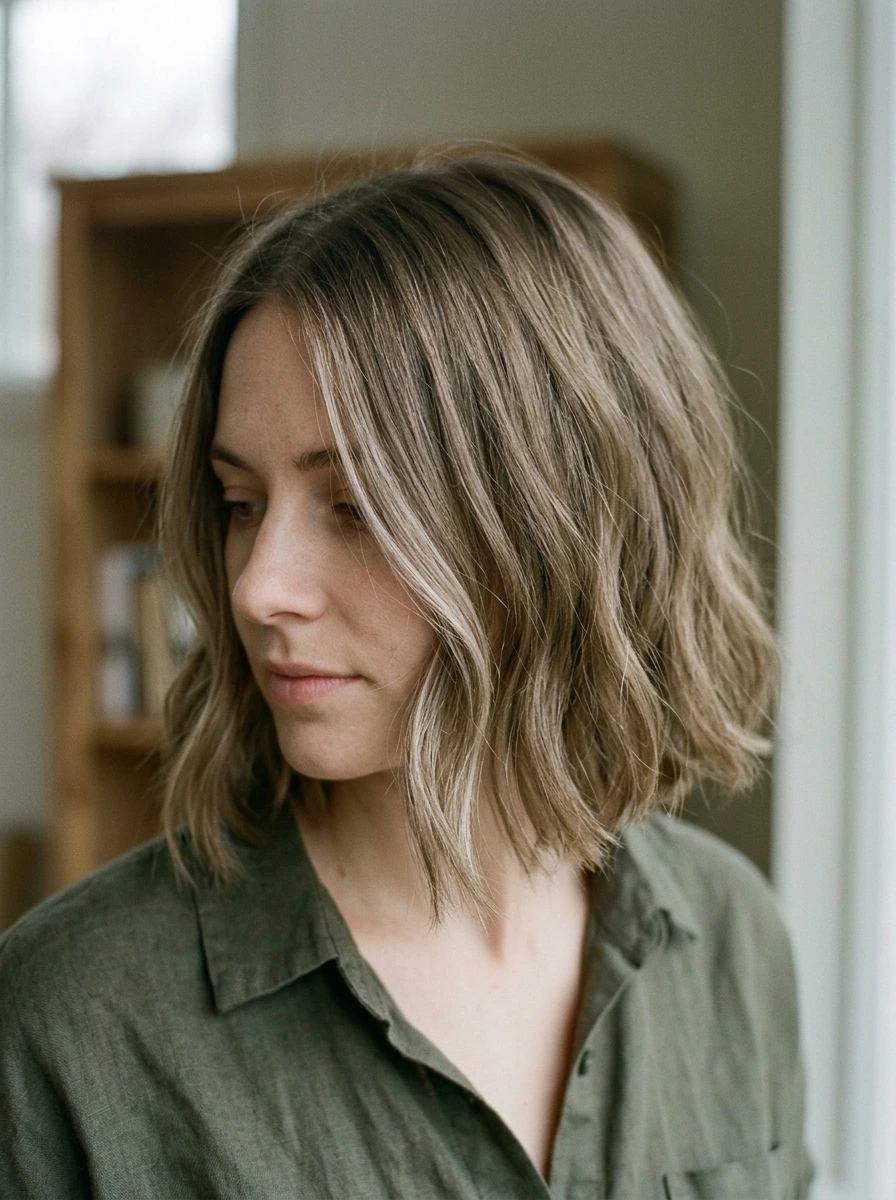
Wheat and sand tones are the quietest shades in the entire blonde balayage spectrum, closer to a texture than a color statement, muted gold with almost no shine-forward brightness to it. The painting technique here is deliberately sparse, with thin, widely spaced sections rather than the denser painting used for brighter shades. It suits people who want the depth and dimension of balayage without anyone clocking that they’ve had color done at all. This is natural looking blonde at its most literal, built for someone who wants to look like they simply exist in good light. The honest note: because the contrast is so low, this shade shows almost no visible grow-out line, making it one of the lowest-maintenance options here.
13. The Dirty Blonde Balayage Grow-Out, Why It Looks Better at 12 Weeks Than at Week One
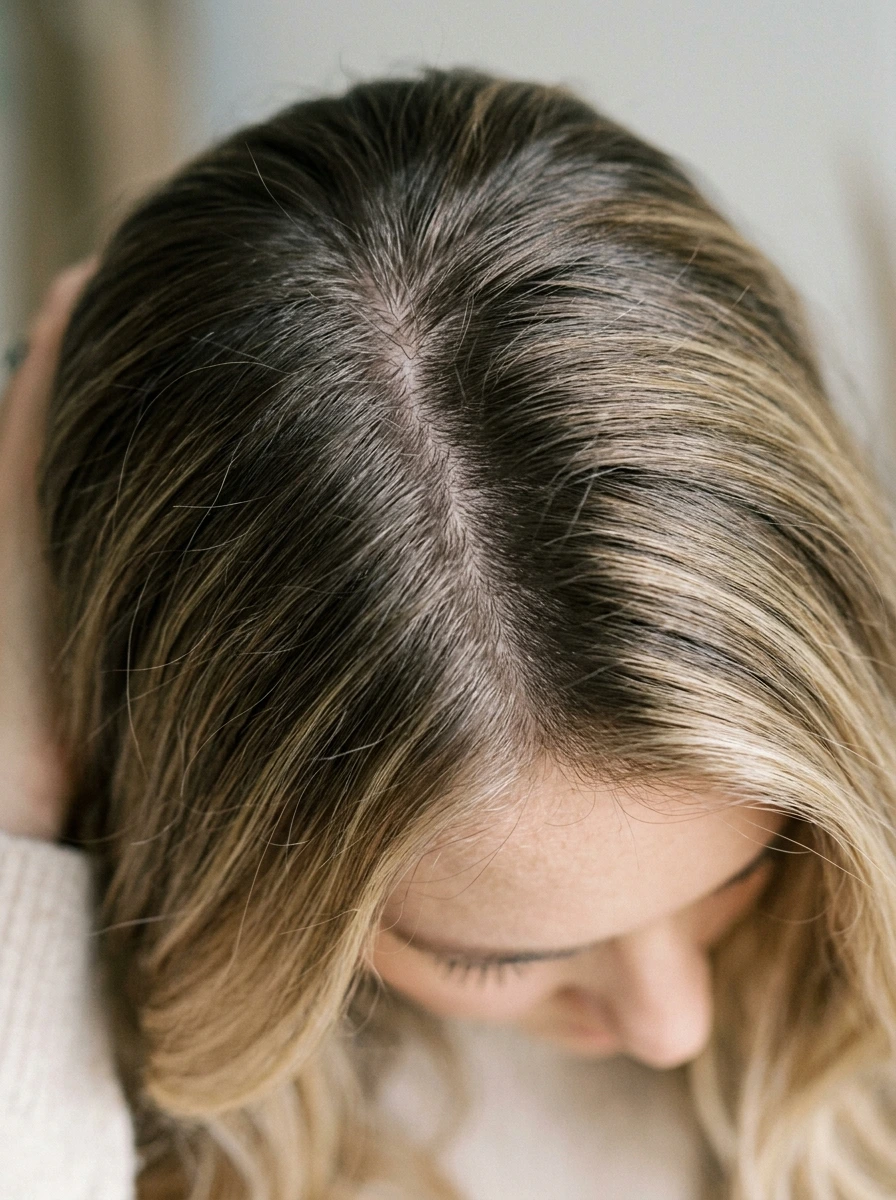
Most color services look their absolute best on day one and fade from there, but dirty blonde balayage grow out is the rare exception that genuinely improves with time. Because the technique paints color away from the root already, the natural regrowth blends into a soft shadow instead of creating a visible line. This makes it ideal for anyone with a demanding schedule who can’t return to the salon every six weeks. The balayage grow out here is the whole selling point, not a flaw to manage around. The honest note: this only holds true if the initial placement started high enough up the hair shaft to leave room for real growth before it looks uneven.
The Color Reality: Dirty Blonde Grow-Out
- ◇ Starting point requirement: works from nearly any natural base, light brown through dark blonde
- ◇ Number of sessions realistic: one initial session, then touch-ups spaced ten to fourteen weeks apart
- ◇ Maintenance product needed: a toning gloss refresh rather than a full re-lightening each visit
- ◇ Grow-out behavior honest note: the root shadow softens naturally instead of forming a visible line, which is the entire point of this shade
🌾 The Dirty Blonde Balayage Reality Check: What Your Colorist Sees That You Do Not
OBSERVATION: Your natural root color before any product ever touched it. WHAT IT MEANS: That’s the actual shade she’s blending toward, not the color on the box or the inspiration photo.
OBSERVATION: How much your hair has been colored before, even years ago. WHAT IT MEANS: Previous color changes the way hair lifts now, sometimes unevenly, which affects how gently she has to work.
OBSERVATION: The condition of your ends compared to your roots. WHAT IT MEANS: Damaged ends take color differently than healthy roots, which is why some dirty blonde balayage looks patchy even with perfect technique.
OBSERVATION: Whether you actually wear your hair down or up most days. WHAT IT MEANS: Placement gets adjusted based on what parts of your hair people will actually see day to day.
OBSERVATION: How you talk about maintenance before you even sit down. WHAT IT MEANS: She’s already deciding how low-maintenance the placement needs to be based on how honest you are about your routine.
Dirty blonde balayage and a well-chosen wardrobe genuinely work together, and building outfit inspiration around this shade’s warm-neutral undertone makes both the hair and the clothes look more intentional.
14. Bright Blonde Balayage for Maximum Impact Without Maximum Damage
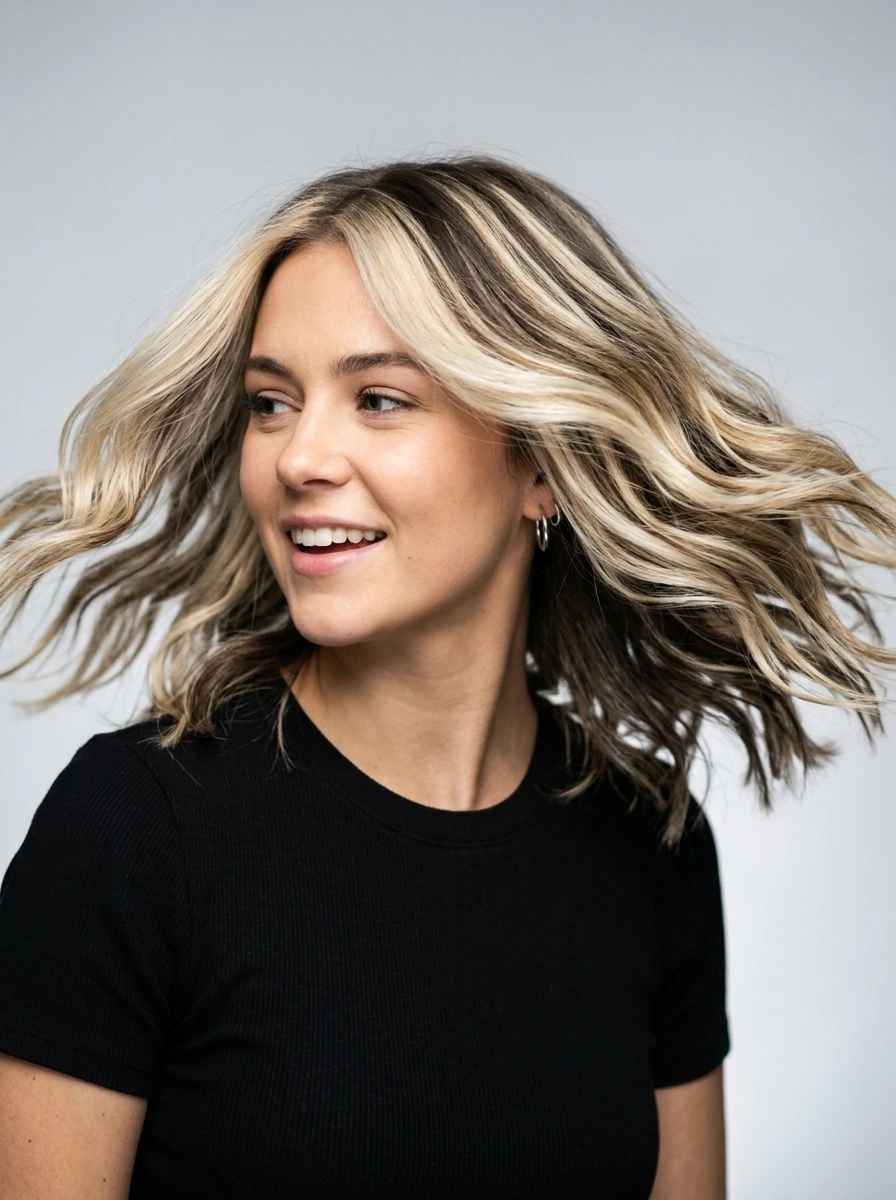
Bright blonde balayage is the loudest shade in the natural-leaning category, high-contrast and attention-grabbing without crossing into full platinum territory. The technique concentrates heavier lightener in fewer, more deliberate sections rather than lifting the entire head evenly. It suits people with medium to light natural bases who want visible brightness without the full commitment of an all-over blonde. This is bright blonde balayage doing the most work with the least amount of actual bleached hair, which matters if hair health is a real concern. The honest note: bright doesn’t have to mean damaged, but it does mean more frequent bond-building treatment between salon visits.
15. Natural Blonde Balayage That Photographs Like You Have Always Been This Color
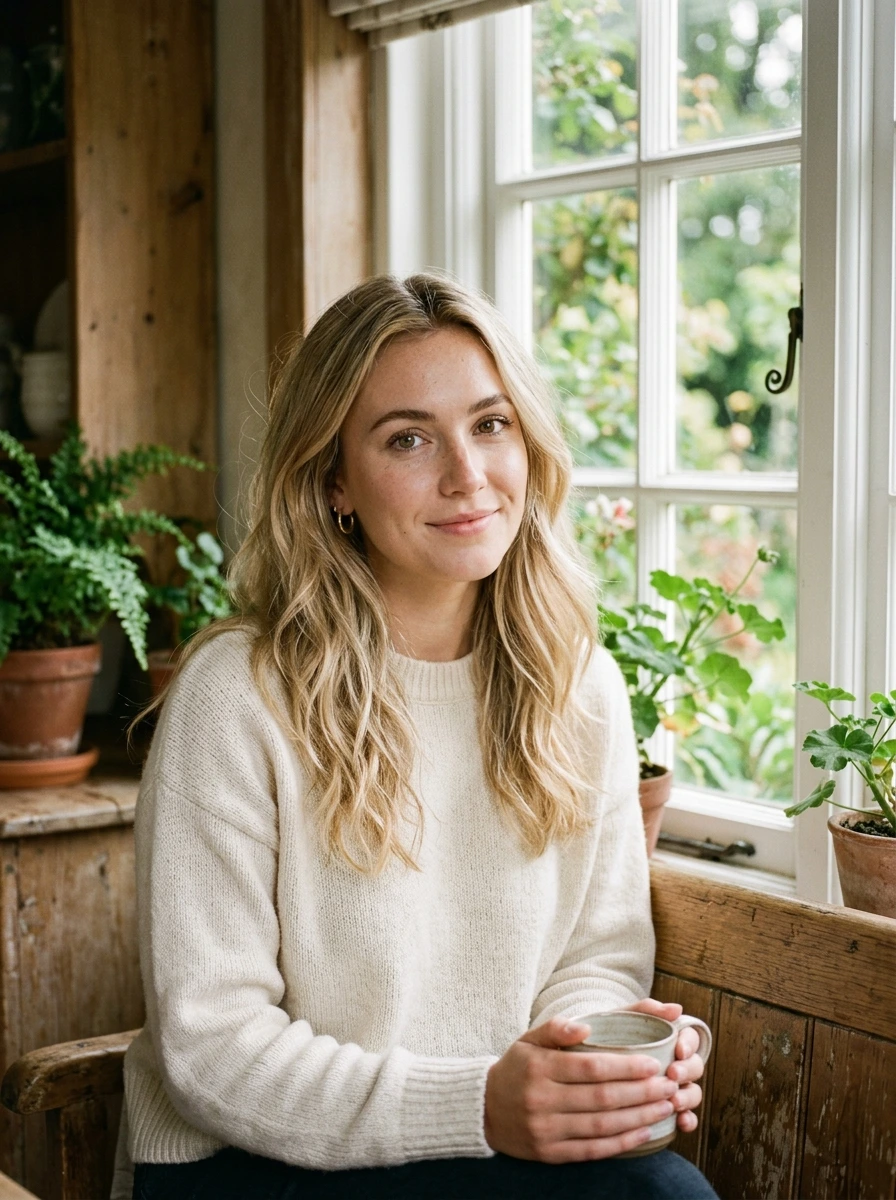
Natural blonde balayage is built to disappear into believability, painted so closely to what your hair might have done on its own in childhood sun that even close friends struggle to say what changed. The technique relies on matching the painted sections to your exact natural undertone rather than pushing toward a trendier shade. It flatters people whose natural color already sits somewhere in the blonde-to-light-brown range and just needs enhancing. This is natural looking blonde as a genuine technical goal, not just a marketing phrase. The honest note: the more “natural” a colorist makes this look, the more color-matching skill it actually required behind the scenes.
16. Face Framing Bright Blonde Balayage, the Placement That Changes a Face
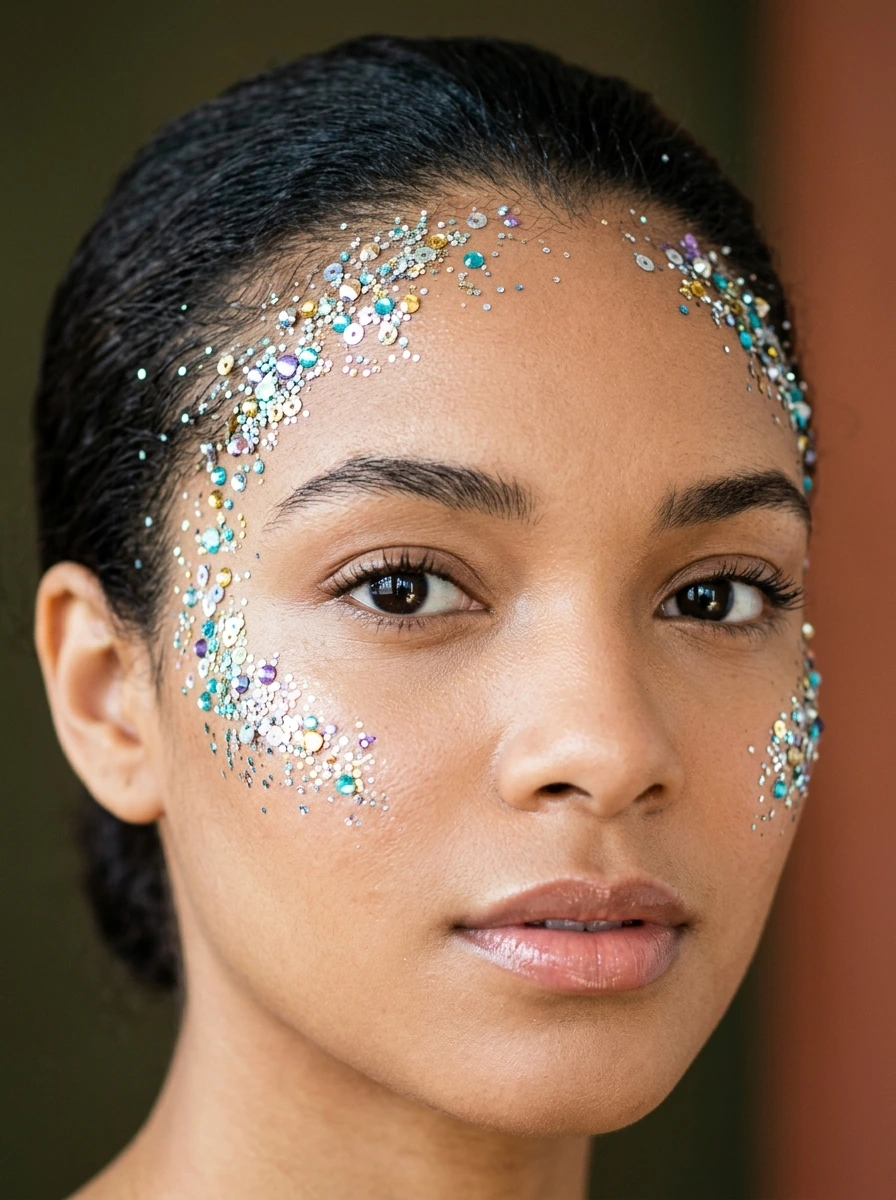
Face framing balayage placement gets even more dramatic when the shade underneath is already bright, since the brightest pieces land exactly where light hits cheekbones and jawline first. The colorist customizes the width and placement of these pieces to each individual face shape during the consultation, not from a stock photo. It works especially well for anyone growing out bangs or a shorter layer who wants brightness concentrated near the face while it grows. This is face framing balayage at its most visually efficient, maximum brightness with minimum overall lightener. The honest note: this placement needs the most frequent refresh of any bright blonde option, since it’s the section people notice first when it starts to fade.
17. Babylights With Balayage, the Combination That Creates the Finest Texture
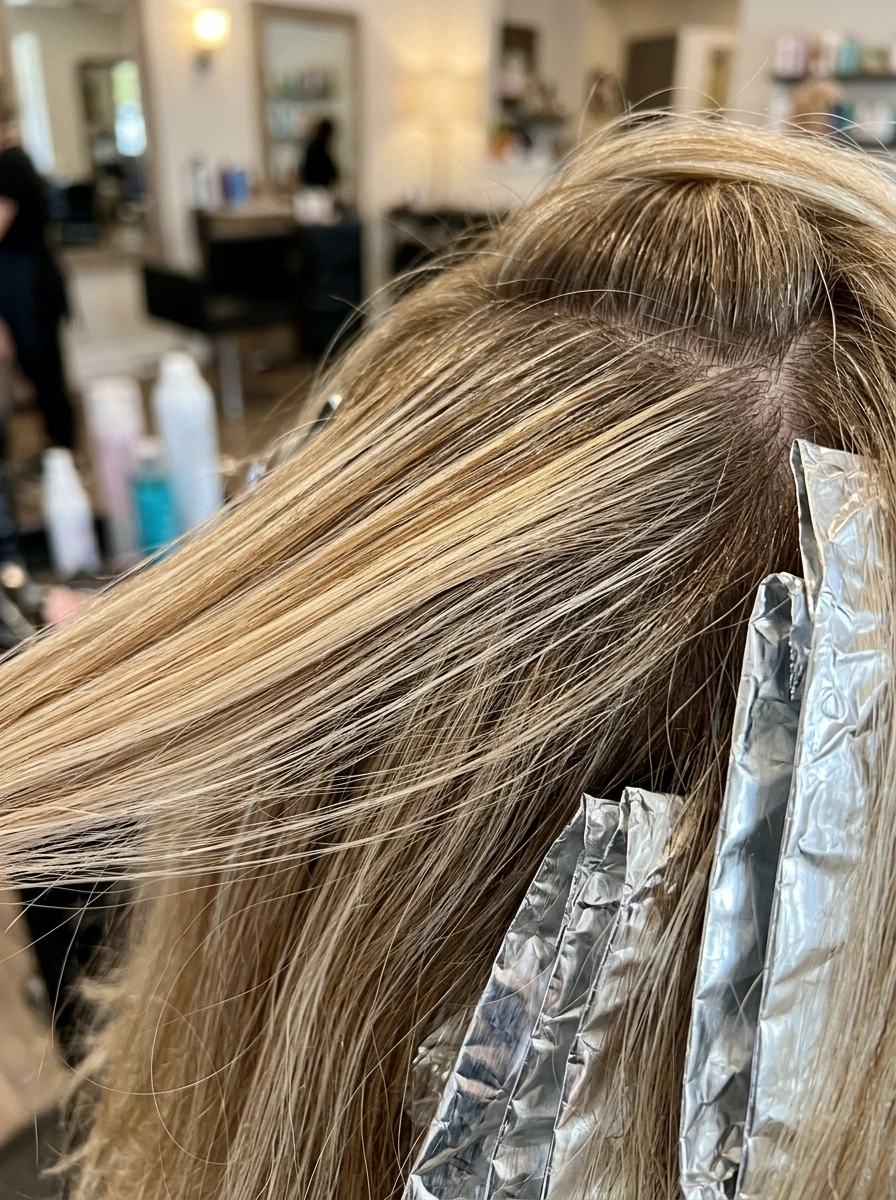
Babylights with balayage combines two different techniques into one appointment: fine, foiled babylights throughout for texture and brightness, layered under hand-painted balayage for depth and dimension. It’s a genuinely different technical approach than balayage alone, and understanding babylights vs balayage matters before booking, since they solve different problems. This combination suits people with fine hair who want brightness without the balayage looking chunky or heavy against their texture. It’s one of the more time-intensive appointments on this entire list, often running well past two hours. The honest note: babylights require more upkeep sessions than balayage alone, since the fine, foiled sections grow out faster than broader painted ones.
18. Foilayage Technique for Brighter Blonde Results Than Classic Balayage Alone
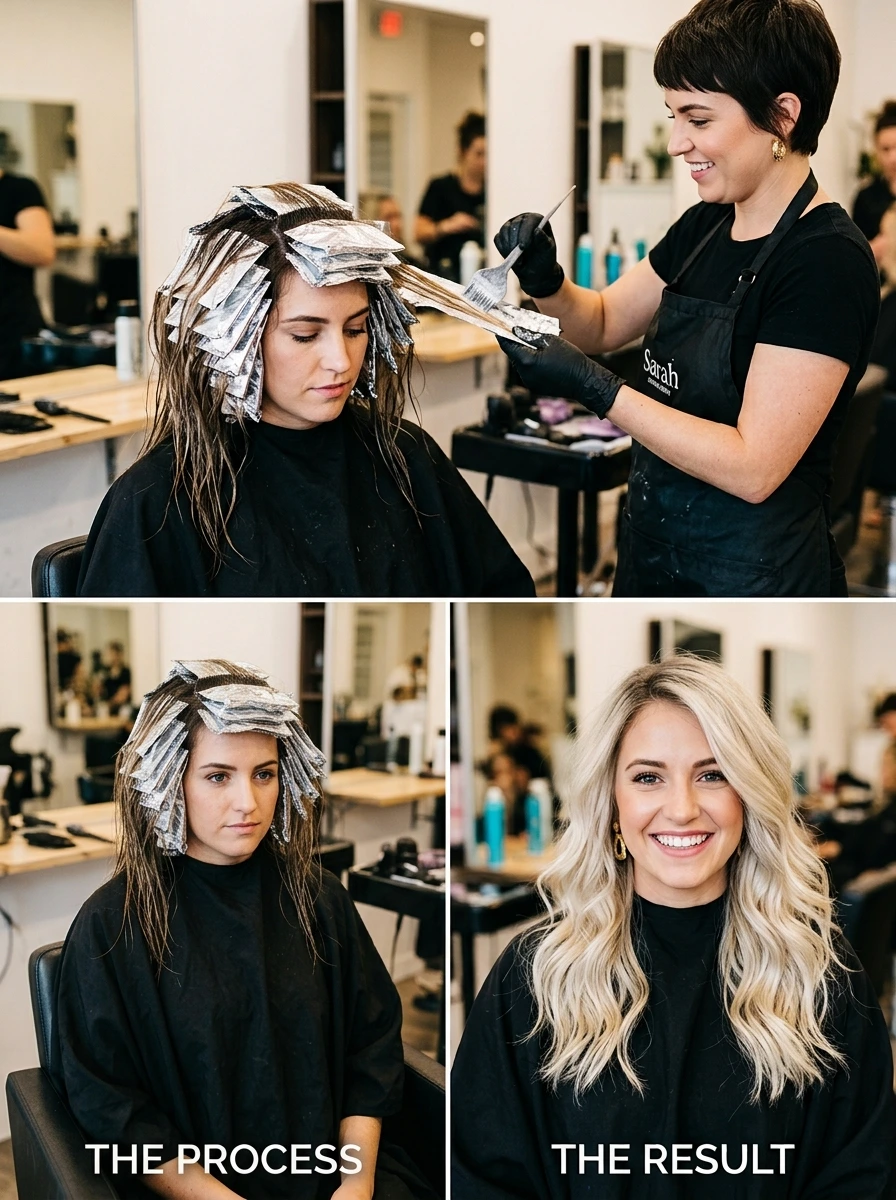
Foilayage technique takes the hand-painting of balayage and adds foil over the painted sections to trap heat and lift the color further than balayage would achieve on its own. It’s specifically built for people chasing brighter, more dramatic blonde results while keeping the soft, grown-out placement balayage is known for. This suits darker natural bases that need more lift than open-air balayage can realistically deliver in one sitting. Foilayage technique bridges the gap between traditional foil highlights and freehand balayage, borrowing the best of both. The honest note: the extra processing heat from the foil means foilayage carries a slightly higher damage risk than standard balayage, so a bond treatment isn’t optional here.
19. The Bright Blonde Balayage on Dark Hair, What the Process Actually Involves
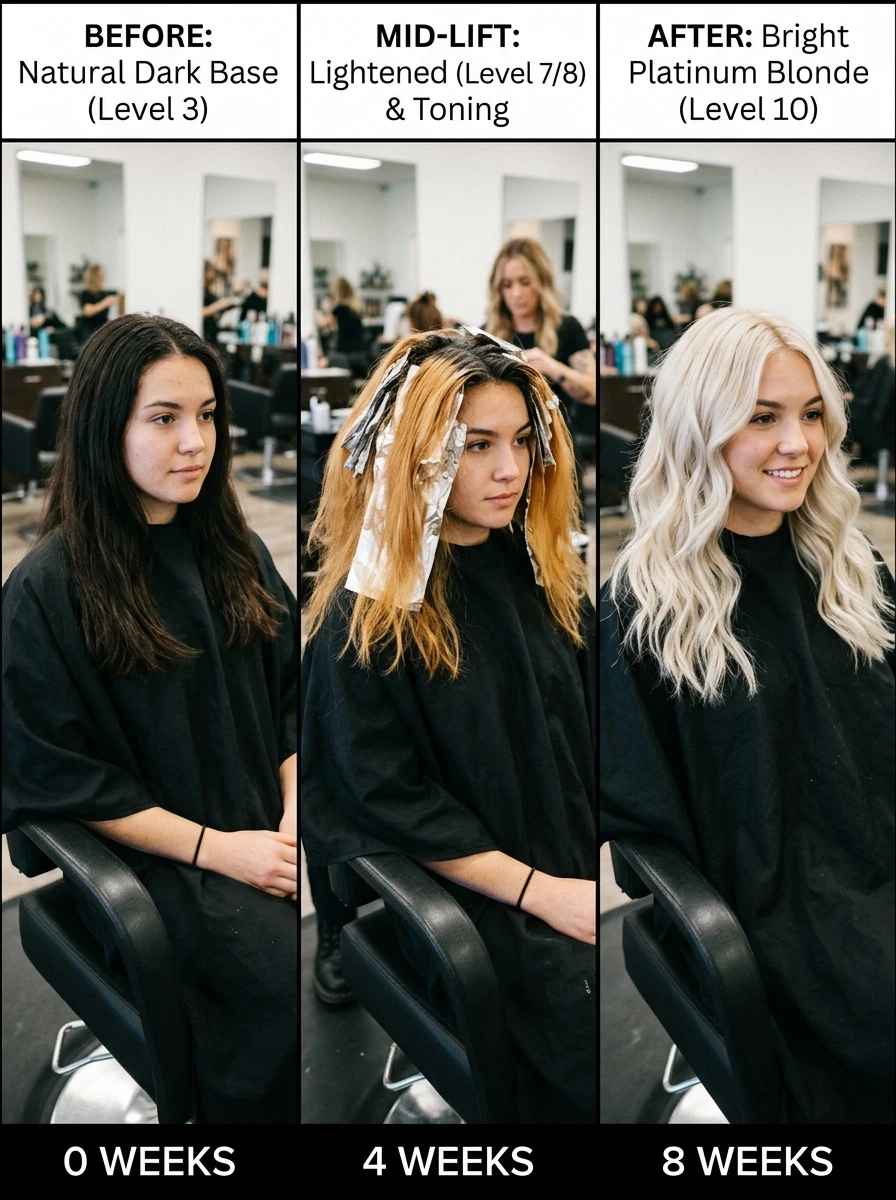
Getting genuinely bright blonde balayage on dark hair is a multi-step process, not a single dramatic reveal, and any colorist who promises otherwise on a level 2 or 3 natural base isn’t being honest with you. The realistic path involves an initial lightening session, a toning visit to neutralize warmth, and often a follow-up appointment to refine both placement and brightness. It’s meant for people starting from a dark natural base who understand this is a project, not an afternoon. This is blonde balayage on dark hair done the way it actually has to be done to protect hair health. The honest note: anyone quoting you one appointment for this specific transformation is either underestimating the work or planning to over-process your hair to get there faster.
The Color Reality: Dark to Bright
- ◇ Starting point requirement: natural level 2 to 4 needs staged lightening, never a single aggressive session
- ◇ Number of sessions realistic: two to three, spaced several weeks apart depending on hair health
- ◇ Maintenance product needed: bond-repair treatment used at home between every salon visit
- ◇ Grow-out behavior honest note: expect a visible root line faster than warmer shades, since high-contrast bright blonde shows regrowth sooner
✨ Balayage vs Babylights vs Foilayage: A Color Specialist Explains the Actual Difference
| Technique: | Hand-painted freehand, open air | Fine foiled sections, foil-processed | Hand-painted, then foiled |
| Result: | Soft, sun-kissed, lower contrast | Delicate, all-over texture | Brighter, higher-contrast blonde |
| Best for: | Natural-looking dimension | Fine hair needing subtle brightness | Darker bases wanting real lift |
| Cost range: | Moderate | Moderate to higher, more sections | Highest, most time and product |
| Grow-out: | Very forgiving | Faster regrowth visibility | Moderately forgiving |
Understanding balayage hair blonde against these two alternatives is the difference between asking for the right service and hoping your colorist interprets a vague request correctly. Once you know which one you actually want, it helps to style it perfectly so the placement you paid for actually shows in the styles you wear most.
20. Ashy Blonde Balayage, the Shade for Women Who Want Blonde Without Warmth
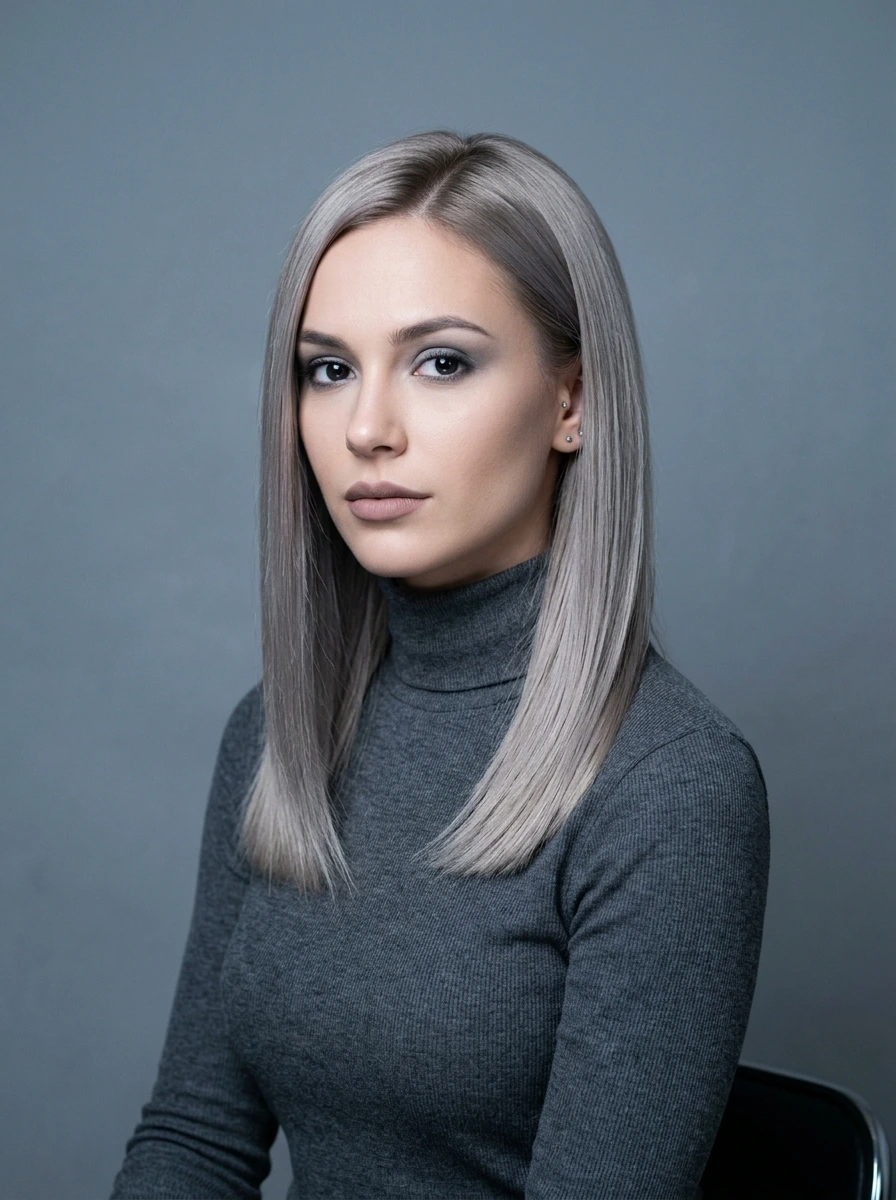
Ashy blonde balayage strips out every trace of yellow and gold, leaving behind a cool, almost smoky blonde that reads as deliberate rather than faded. The toning process uses a purple or blue-based formula layered directly over lightened sections to cancel warmth at the molecular level. It flatters cool and pink undertones specifically, and tends to clash with warm or olive undertones unless handled carefully. Ashy blonde balayage is the most requested cool shade for a reason: it photographs with a clarity warm tones simply don’t have. The honest note: ash fades toward warmth, not away from it, so the moment you skip a toning session, brass creeps back in fast.
21. Cool Mushroom Blonde Balayage for an Understated Sophisticated Result
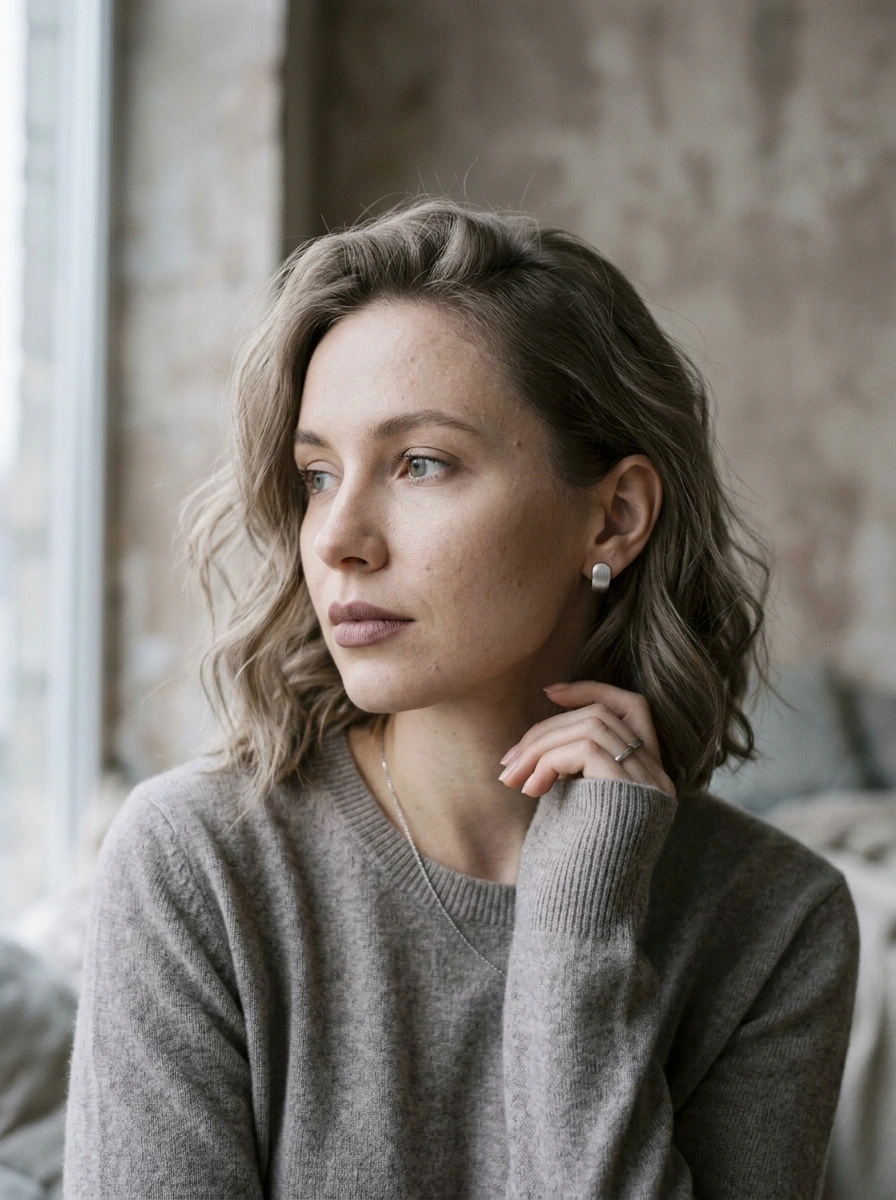
Mushroom blonde balayage blends soft ash tones with a hint of taupe, landing somewhere between blonde and light brown with almost no warmth in sight. The technique keeps contrast low and the toner precise, since mushroom tones shift toward muddy or gray with even a slight formula miscalculation. It suits cool-toned brunettes wanting to go lighter without ever touching gold or honey territory. This shade belongs in the same conversation as ashy blonde balayage, but reads even quieter and more editorial. The honest note: mushroom blonde requires a colorist experienced specifically in cool-tone formulation, since a generic ash toner often overshoots into flat gray instead.
22. The Beige Blonde Balayage That Sits Between Warm and Cool, Perfectly Balanced
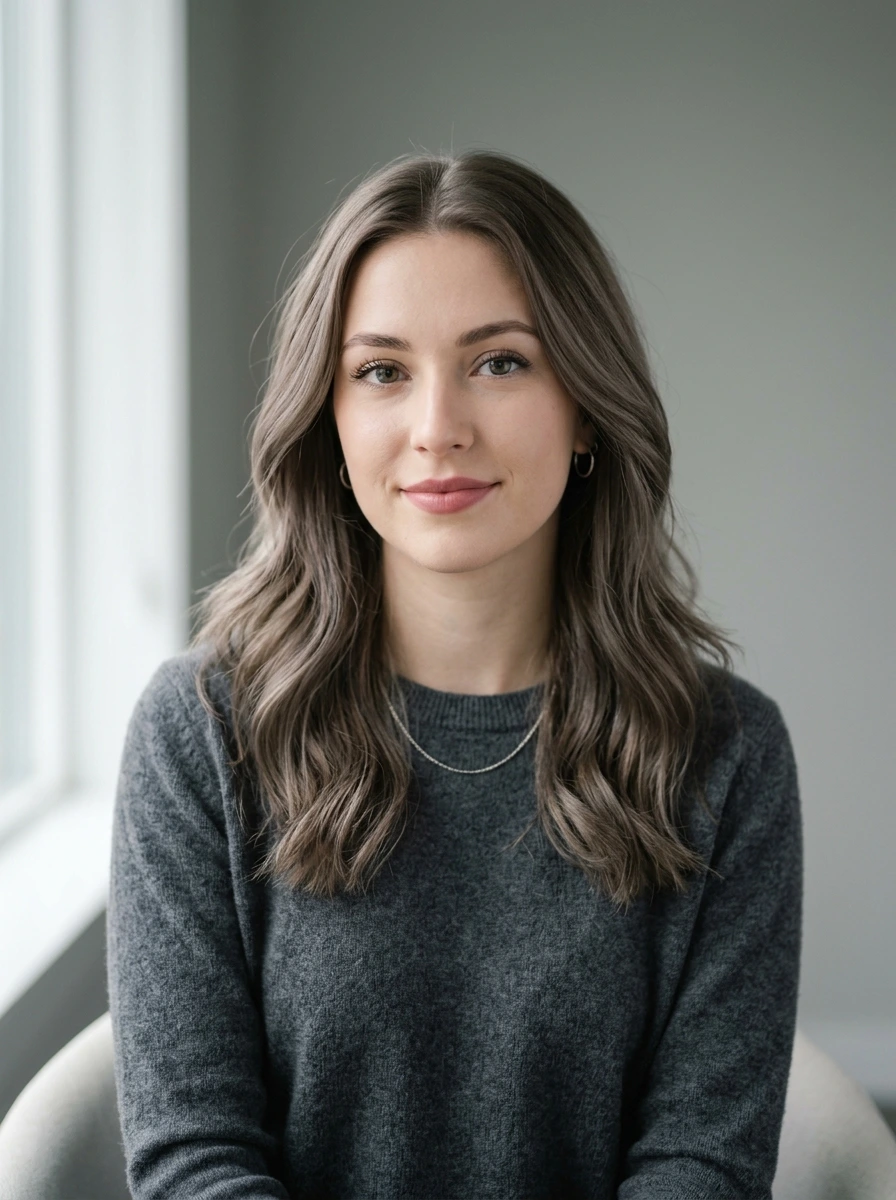
There’s a version of beige blonde balayage built specifically for the cool chapter of this spectrum, leaning just slightly warmer than pure ash without tipping into gold. Colorists achieve this by mixing a small percentage of warm toner into an otherwise cool base formula, a balancing act that requires real formulation experience. It’s ideal for people who tried full ash and found it too stark against their skin, or tried warm and found it too golden. Beige blonde balayage done this way sits exactly at the midpoint most people are actually looking for. The honest note: this specific balance drifts the fastest of any beige variation, since even small toner shifts during a refresh can nudge it warm or cool.
23. Ashy Blonde Balayage Maintenance, What Purple Shampoo Actually Does and How to Use It Correctly
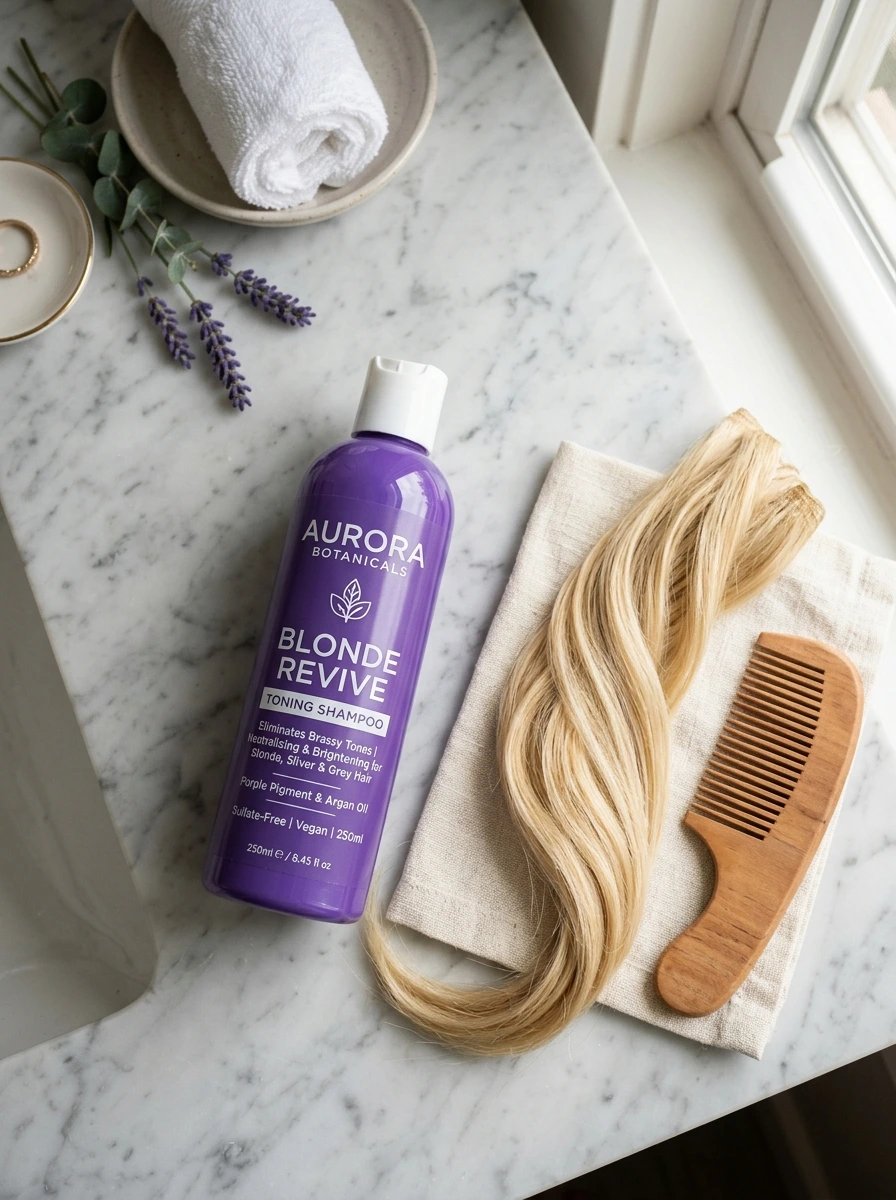
Purple shampoo works by depositing violet pigment that cancels yellow undertones, but most people use it far more often than they should, which flattens and dulls ashy blonde balayage instead of protecting it. The correct approach is one to two uses per week, left on for only a few minutes, not as a daily replacement for regular shampoo. It’s a maintenance step, not a color-fixing miracle, and it works best alongside professional toning balayage blonde sessions rather than instead of them. Overusing it is one of the most common reasons ashy blonde starts looking gray and lifeless within weeks. The honest note: if your hair feels purple-tinted or oddly flat, you’re using it too often, not too little.
24. Brown to Ashy Blonde Balayage, the Toning Journey Explained Step by Step
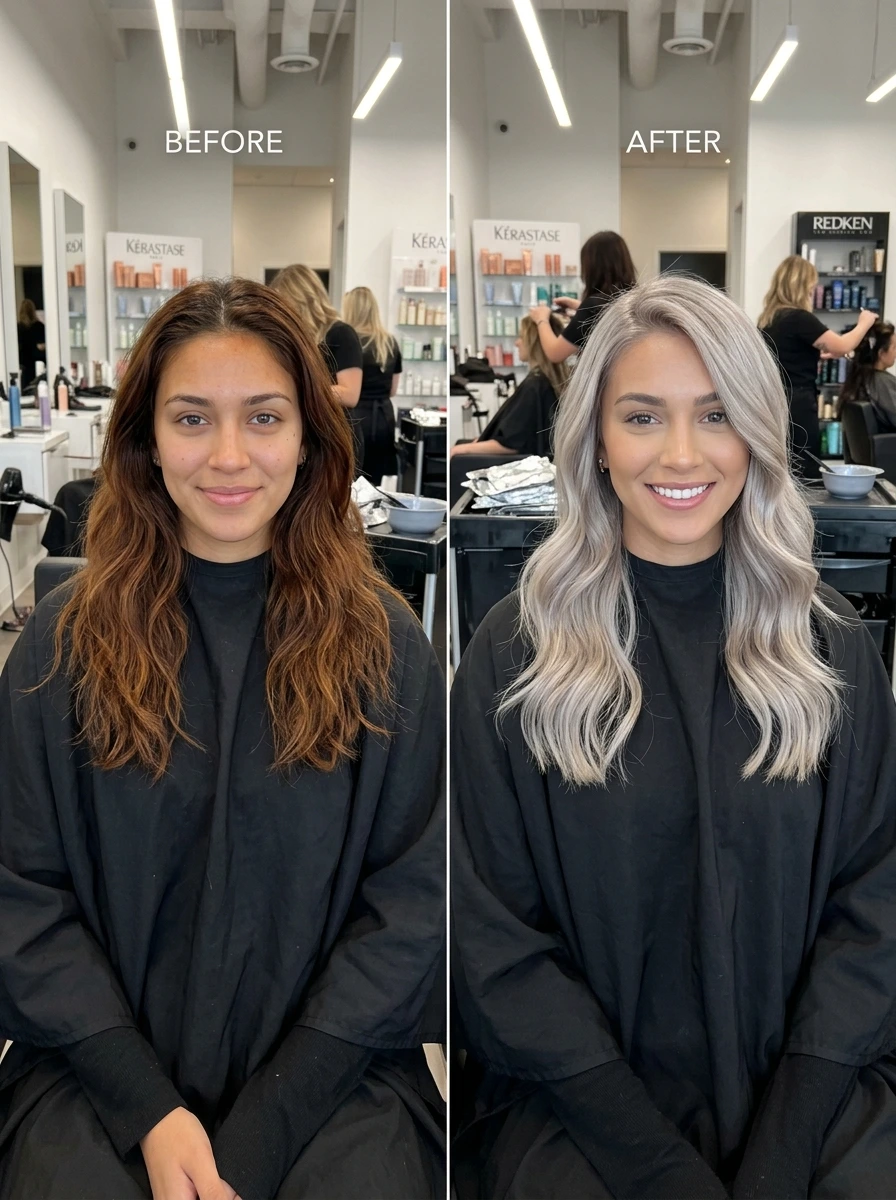
Going from a warm natural brown to a cool ashy blonde is a genuine toning journey, since brown hair almost always lifts warm before it can be corrected cool. The realistic process lightens the hair first, then applies a blue or violet-based toner specifically formulated to neutralize the underlying orange and red tones left behind. This suits brunettes with warm natural undertones who specifically want to end up cool, understanding it takes real color correction, not a single step. Brown to ashy blonde balayage is one of the more technically demanding transformations in this entire guide. The honest note: skipping the toning step, or having it done by someone inexperienced with color correction, is the single most common reason this transformation ends up brassy instead of ashy.
The Color Reality: Warm to Ash
◇ Starting point requirement: natural warm-based brown needs a dedicated color-correction toner, not a standard one ◇ Number of sessions realistic: two, with the toning session sometimes needed twice to fully neutralize warmth ◇ Maintenance product needed: purple shampoo used correctly, plus a cool-toned gloss refresh ◇ Grow-out behavior honest note: warmth returns at the root first, so root touch-ups need to happen before the ends look wrong
🧊 The Ashy Blonde Balayage Maintenance Calendar: What to Do and When
AFTER APPOINTMENT: Wait at least 48 hours before the first wash so the toner fully sets. WEEK 1 TO 2: Use a sulfate-free, color-safe shampoo, saving purple shampoo for once this window at most. WEEK 3 TO 6: Introduce purple shampoo one to two times weekly as brass starts to creep back in at the root. MONTH 2 TO 3: Book a gloss refresh appointment before warmth becomes visible rather than after. EVERY SESSION: Ask your colorist directly whether your toning balayage blonde formula needs adjusting based on how your hair actually faded last time, not just a repeat of the same formula.
Ashy blonde looks most striking when the rest of a look is considered together, and pairing this cool shade with the right makeup to match keeps everything from skin to hair reading as one cohesive, cool-toned palette.
25. Icy Blonde Balayage, the Commitment Behind the Color and Why It Is Worth It
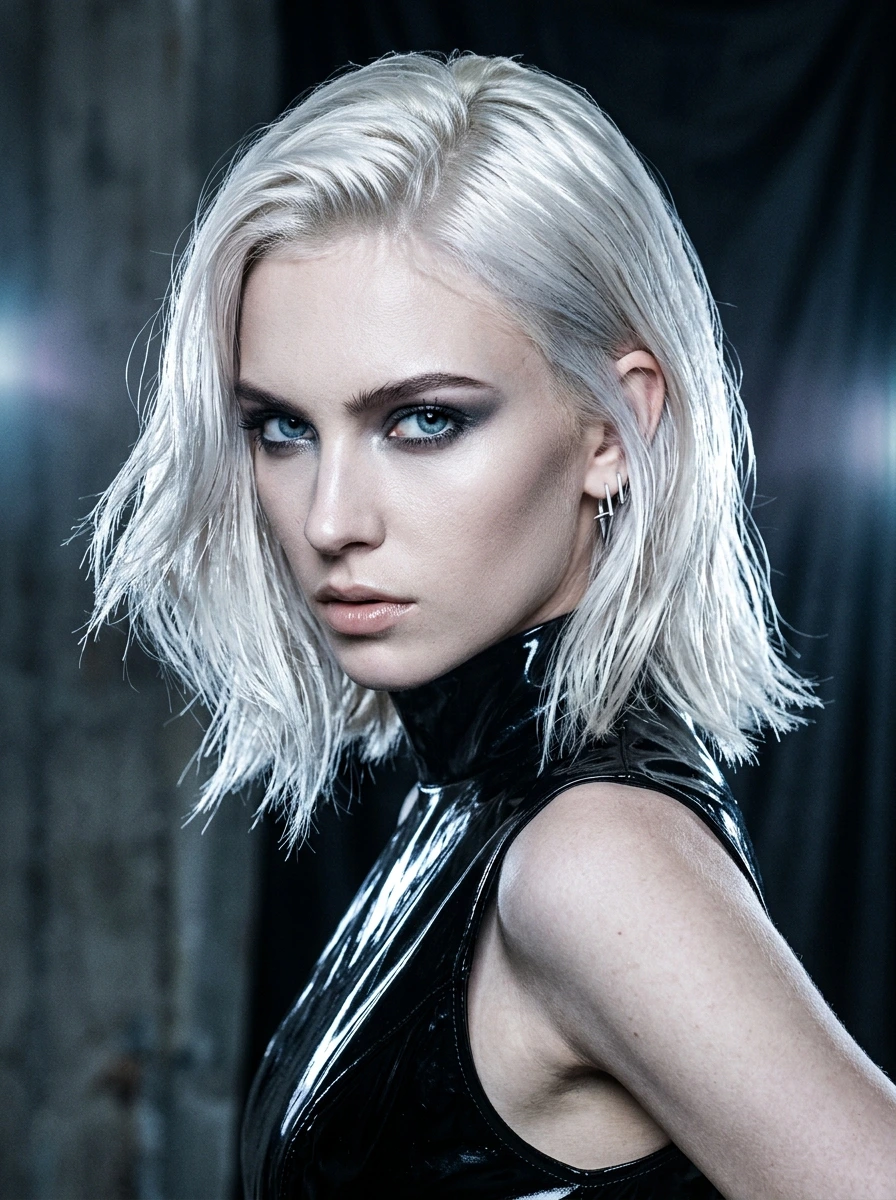
Icy blonde balayage is the most extreme cool shade most colorists will recommend without hesitation, a near-white blonde with just enough underlying tone to keep it from looking flat. Reaching it usually means lifting hair to its lightest possible level before applying a silver or violet-based toner to erase any remaining yellow. It suits cool undertones and high-contrast features almost exclusively, since warm undertones tend to look washed out against true icy blonde. This is icy blonde balayage as a genuine style statement, not a casual color change to try on a whim. The honest note: this shade demands the most from both your hair’s health and your maintenance schedule of anything on this entire list.
26. Silver-Blonde Balayage for a Cool Ethereal Result
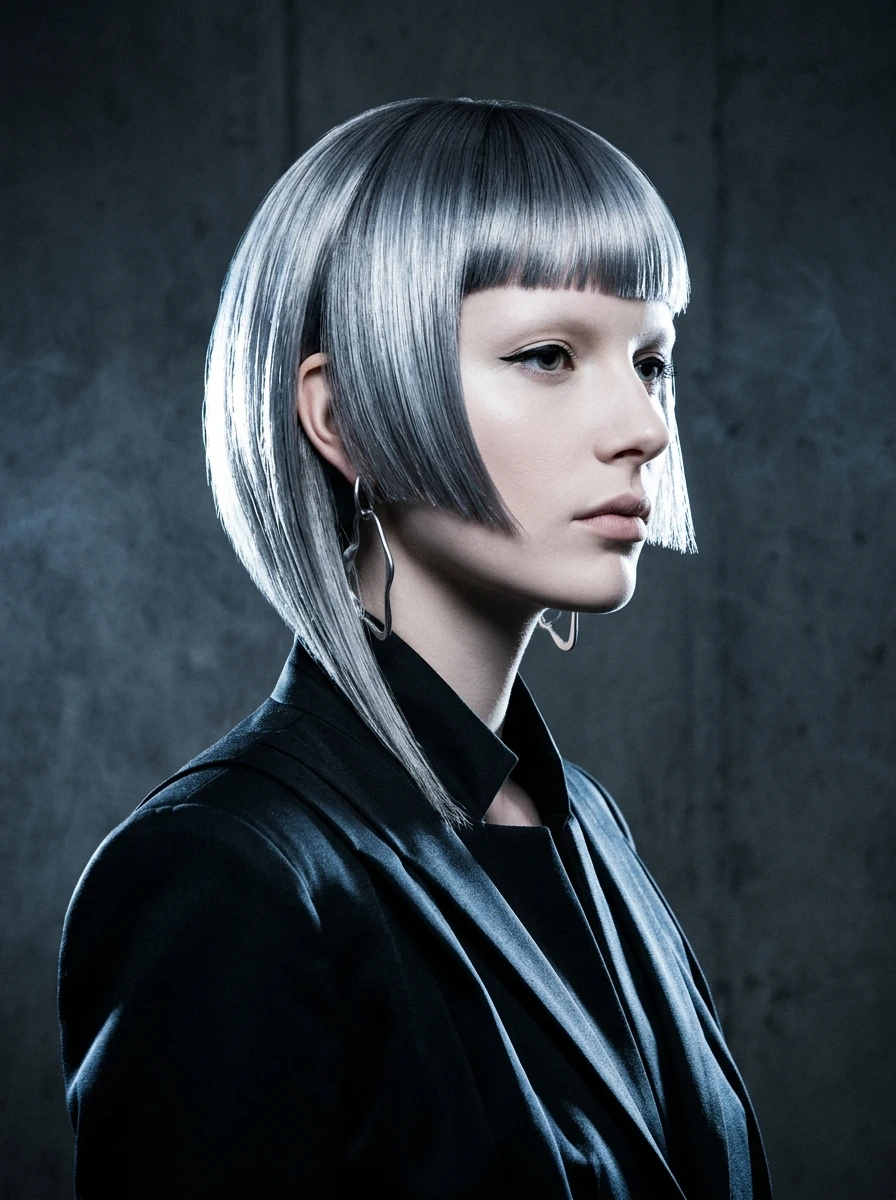
Silver-blonde balayage pushes past icy into something with a visible metallic cast, achieved by layering a blue-based toner over already-lightened, near-white sections. The result reads almost otherworldly in the right light, which is exactly the appeal for anyone drawn to this shade in the first place. It requires hair that’s healthy enough to survive extreme lightening, since silver tones only show up correctly on hair lifted to the palest possible level first. This shade sits at the far edge of the entire blonde balayage spectrum, cooler and more dramatic than standard platinum. The honest note: silver tones fade unevenly, often turning yellow at the root while staying silver at the ends, which is a maintenance pattern few people are warned about in advance.
27. Icy Blonde Balayage on Dark Hair, the Honest Multi-Session Roadmap
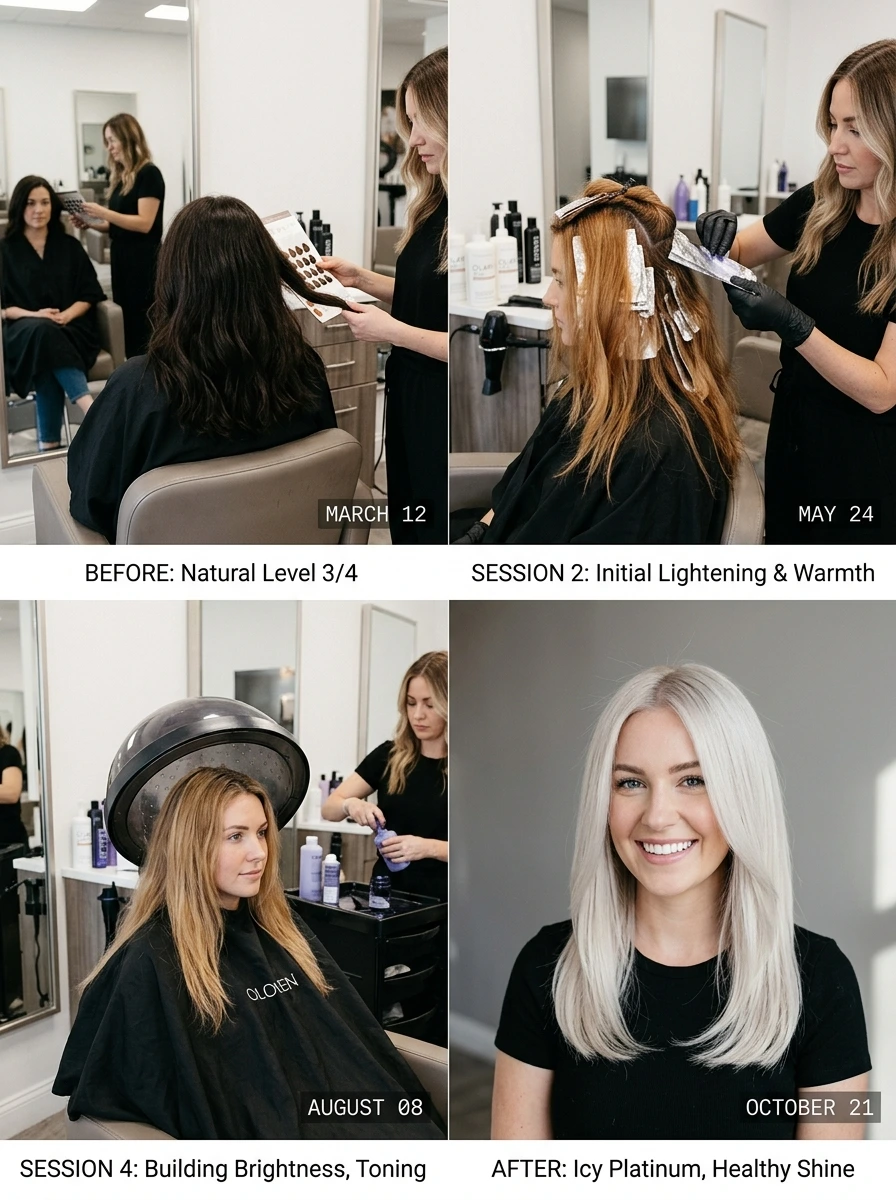
Getting icy blonde balayage on genuinely dark hair is one of the longest transformations in this entire guide, and any colorist rushing it in one visit is prioritizing speed over your hair’s actual survival. The realistic roadmap spreads lightening across multiple sessions weeks apart, allowing hair to recover between appointments before pushing it lighter again. It’s built for people starting from a dark natural base who are committed to the process, not a single dramatic before-and-after. This is icy blonde balayage handled the way responsible colorists actually do it behind the scenes. The honest note: expect this specific transformation to take months, not weeks, if your natural starting point is genuinely dark.
28. The Icy Balayage Maintain, Toning, Glossing, and Keeping the Color From Turning Brassy
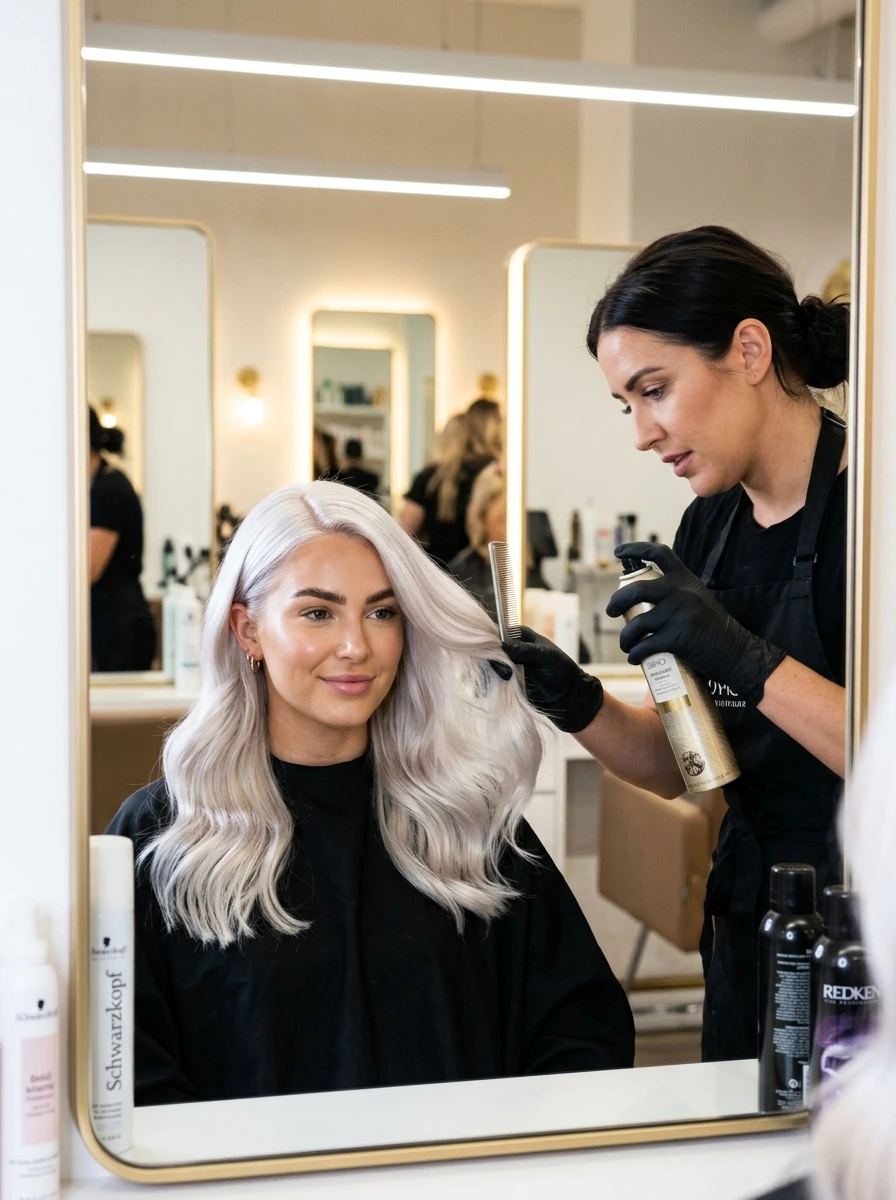
Keeping icy blonde balayage from sliding into brassy yellow is an ongoing relationship, not a one-time fix, and it starts with a blue or violet shampoo used consistently but never excessively. Regular toning gloss appointments, roughly every four to six weeks, refresh the cool base before warmth has a real chance to show. It’s a maintenance reality anyone choosing this shade needs to accept before booking the first lightening session, not after the fact. This closes out the coolest end of the entire balayage hair blonde spectrum, the shade that demands the most and, done right, delivers the most striking result on this whole list. The honest note: budget for maintenance costs that rival the cost of the initial color service, because for icy blonde, they genuinely do.
As the festive season approaches, this cool, high-shine end of the spectrum creates one of the most striking backdrops for seasonal styling, and our seasonal look ideas show exactly how far that color energy can be taken.
Blonde Balayage Questions Worth Asking Before You Sit in the Chair
What is balayage hair blonde and how is it different from highlights?
Balayage hair blonde is a hand painted hair color technique where lightener is painted freehand directly onto sections of hair, rather than pulled through foils in uniform, pre-measured strips. The result grows out softly because color isn’t applied in a rigid pattern from root to tip. Traditional highlights create more uniform, often more noticeable regrowth lines. Balayage generally requires less frequent touch-ups because of how naturally it’s designed to fade and grow.
What is the most natural looking blonde balayage?
Dirty blonde balayage and wheat or sand-toned balayage are generally considered the most natural looking blonde balayage options, since both stay close to common natural hair colors rather than pushing toward a dramatically different shade. These options rely on subtle, low-contrast placement instead of bold, high-lift sections. They also tend to deliver the most lived in hair color result, aging gracefully between salon visits. Anyone nervous about a big change usually starts here.
Can I get blonde balayage on dark brown or black hair?
Yes, but brunette balayage hair blonde on very dark natural hair almost always requires more than one session to lift safely without severe damage. Brown to blonde balayage on a dark base typically starts with an initial lightening appointment, followed by a toning visit weeks later. Trying to force this into a single session usually means over-processed, damaged hair rather than the intended shade. Patience and a colorist experienced with dark bases specifically make the biggest difference in the outcome.
What is the difference between warm and ashy blonde balayage?
Warm blonde balayage keeps or enhances the natural gold, honey, or caramel undertones already present in lightened hair, while ashy blonde balayage actively cancels those same warm tones using a cool, violet or blue-based toner. Warm shades tend to flatter golden and olive undertones, while ashy shades flatter cool and pink undertones. The technical process differs mainly in the toner formula applied after lightening, not in how the balayage itself is painted. Choosing between them really comes down to which one complements your skin’s undertone.
How long does blonde balayage last before it needs a touch-up?
Balayage hair blonde generally lasts longer between touch-ups than traditional highlights, often stretching to ten or twelve weeks depending on the shade and your natural hair’s growth rate. Balayage touch up frequency depends heavily on contrast: high-contrast bright or icy shades need more frequent visits than soft, low-contrast dirty blonde or wheat tones. A gloss refresh alone, without a full re-lightening, is often enough to extend time between full appointments. Your natural hair color and how fast it grows also plays a real role in this timeline.
What is honey blonde balayage and who does it suit best?
Honey blonde balayage is a warm, golden shade that sits between deep caramel and lighter blonde, designed to look like a rich, natural glow rather than a stark color change. It suits warm and olive undertones especially well, and it’s forgiving on a wide range of natural starting colors, from light brown through dark blonde. Honey blonde balayage on dark hair specifically tends to require staged lightening, while lighter natural bases can often achieve it in a single session. It remains one of the most requested entry points into balayage overall.
Does balayage work on fine hair or is it better suited to thick hair?
Balayage on fine hair works well when a colorist uses thinner, more delicate sections and often incorporates babylights for extra texture and dimension. Balayage on thick hair can typically handle bolder, more concentrated painted sections without looking sparse. Neither hair type is excluded from balayage, but the placement strategy should genuinely change based on density and texture. A colorist who paints fine and thick hair identically usually isn’t customizing the service correctly.
How do I know if I need a root shadow with my balayage?
A root shadow, a soft, deliberately blended dark tone at the root, works well for anyone who wants balayage with minimal maintenance and a naturally blended grow-out from day one. It suits darker natural bases especially, since it removes the stark contrast between root and lightened lengths. Root shadow balayage also tends to make hair appear healthier and more dimensional overall. It’s worth requesting specifically if low-maintenance regrowth matters more to you than uniform brightness throughout.
What should I ask for if I want balayage but I’m nervous about commitment?
Ask specifically for a low-contrast, root-shadowed balayage using thinner, fewer painted sections rather than a bold, high-lift version. This gives you the dimension and lived in hair color effect of balayage without a dramatic before-and-after moment. Dirty blonde, wheat, or soft caramel tones are the gentlest starting points for anyone testing the waters. You can always go brighter at a follow-up appointment once you’ve seen how the initial result grows out.
How much does blonde balayage typically cost compared to highlights?
Blonde balayage often costs a similar amount to traditional highlights for a first appointment, though pricing varies significantly by salon, region, and how much lightening the desired shade requires. More dramatic transformations, like blonde balayage on dark hair or icy blonde balayage, generally cost more due to the multiple sessions often required. Because balayage tends to need touch-ups less frequently than highlights, the cost often evens out or comes in lower over a full year. It’s worth asking your colorist for a realistic annual maintenance estimate, not just the price of the first visit.
Twenty-eight shades, one honest argument: balayage hair blonde works because it was never trying to look like color in the first place, it was always trying to look like light. Whichever end of the spectrum calls to you, warmest honey or coldest ice, the shade that lasts is the one chosen for your undertone and your patience level, not just the photo that started the conversation.