
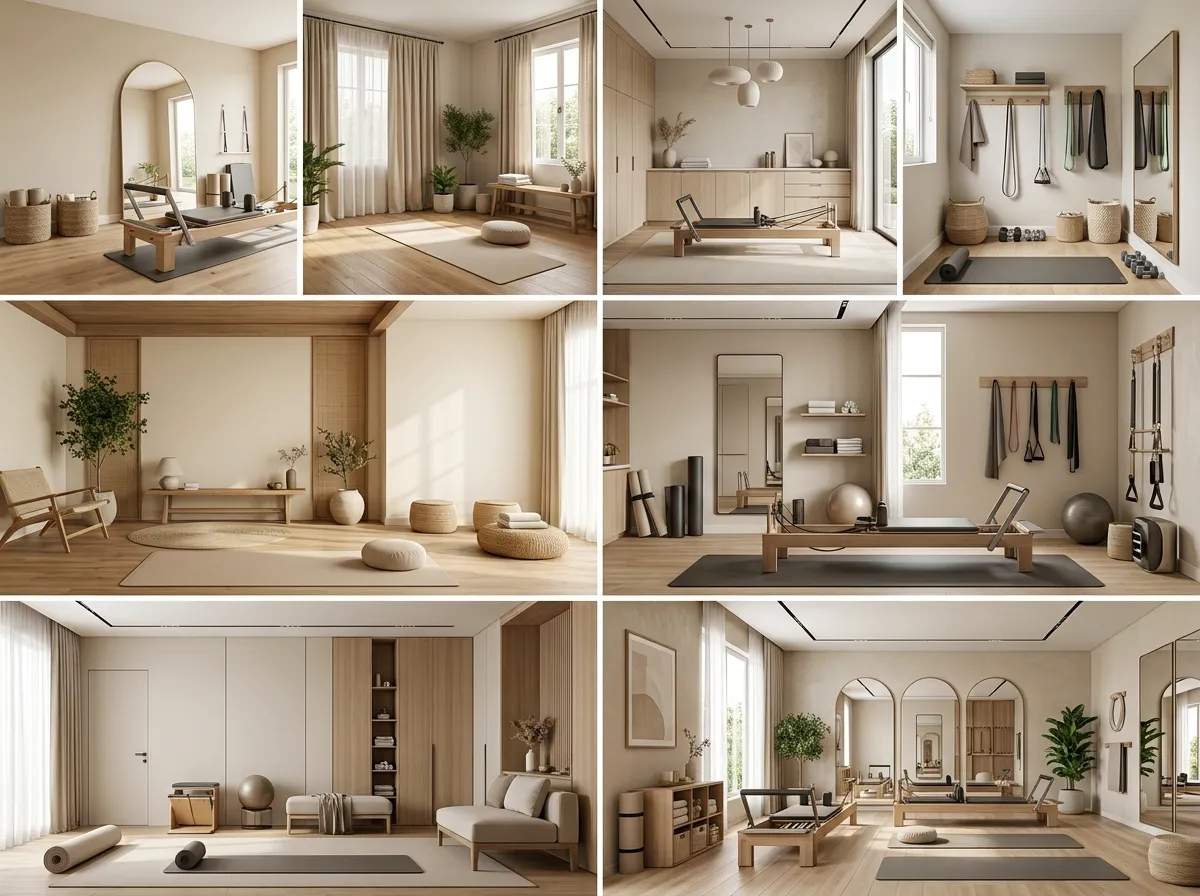
The first time I opened the door to my client’s spare bedroom, her yoga mat was rolled up behind the laundry basket and a single bare bulb was buzzing overhead. She’d asked me for home workout room ideas, but the room was telling me everything I needed to know before she said a word. Most home movement spaces fail not because of what they have but because of what they’re missing: a kind floor, honest light, a home for every prop. This guide follows two visits to the same space, the before where I note what’s wrong and the after where I show what changed. Across 25 transformations, from flooring and paint to lighting, sound, and corner design, you’ll see how natural light yoga room design and minimalist movement room design turn a room you avoid into the first place you go. Your space has a job, and your practice is the reason it exists.
The 5-Minute Space Assessment: What Your Current Movement Room Is Telling You Right Now
Before any of these home workout room ideas make sense, spend five minutes in your space and answer five questions honestly, because the yoga room aesthetic you want starts with what the room is already saying.
❑ WHEN YOU WALK IN DOES YOUR BODY WANT TO MOVE OR HESITATE?
If YES: The room already has momentum, so protect it. Notice what makes entering easy, whether that’s the light or the clear floor, and keep it intact as you add anything else.
If NO: Something at the threshold is working against you, usually clutter, harsh light, or a cold floor. Start with the foundation chapter and fix one thing at a time.
❑ IS THERE ONE CLEAR SURFACE WHERE YOUR MAT CAN ALWAYS LIVE?
If YES: Your practice has an address, which is half the habit. Check that the surface is warm underfoot and doesn’t slide.
If NO: The mat is being set up from scratch every time, and that’s a daily barrier. Pick the clearest patch of floor and leave the mat there.
❑ DOES THE LIGHT IN THIS ROOM FEEL DIFFERENT FROM THE REST OF YOUR HOME?
If YES: The room has its own identity. Build on natural light yoga room design with a sheer curtain and a dimmer.
If NO: The room is borrowing the flat overhead glow of the rest of the house. Add one warm lamp and open the window treatment.
❑ CAN YOU FIND EVERY PROP IN UNDER 30 SECONDS?
If YES: Your storage works. A minimalist movement room design keeps only what you actually use, so keep it that way.
If NO: Searching for blocks and straps is quiet friction that ends practices before they start. Give every prop a shelf or basket where you can see it.
❑ DOES THE ROOM FEEL LIKE IT BELONGS TO YOUR PRACTICE?
If YES: Protect its edges so the rest of the household doesn’t wander in.
If NO: It’s still a spare room with a mat in it. A color, a scent, and one piece of art can change that faster than you’d expect.
Visit Chapter 01: The Foundation
What the Room Is Before Anyone Steps on a Mat
The foundation is what I assess first because it’s what the body feels before a single pose begins. Floors, walls, light, and sound decide whether a room invites you in or asks you to push through.
1. Before: Cold Floors That Made Bare Feet Dread Practice. After: The Flooring Choice That Changed Everything
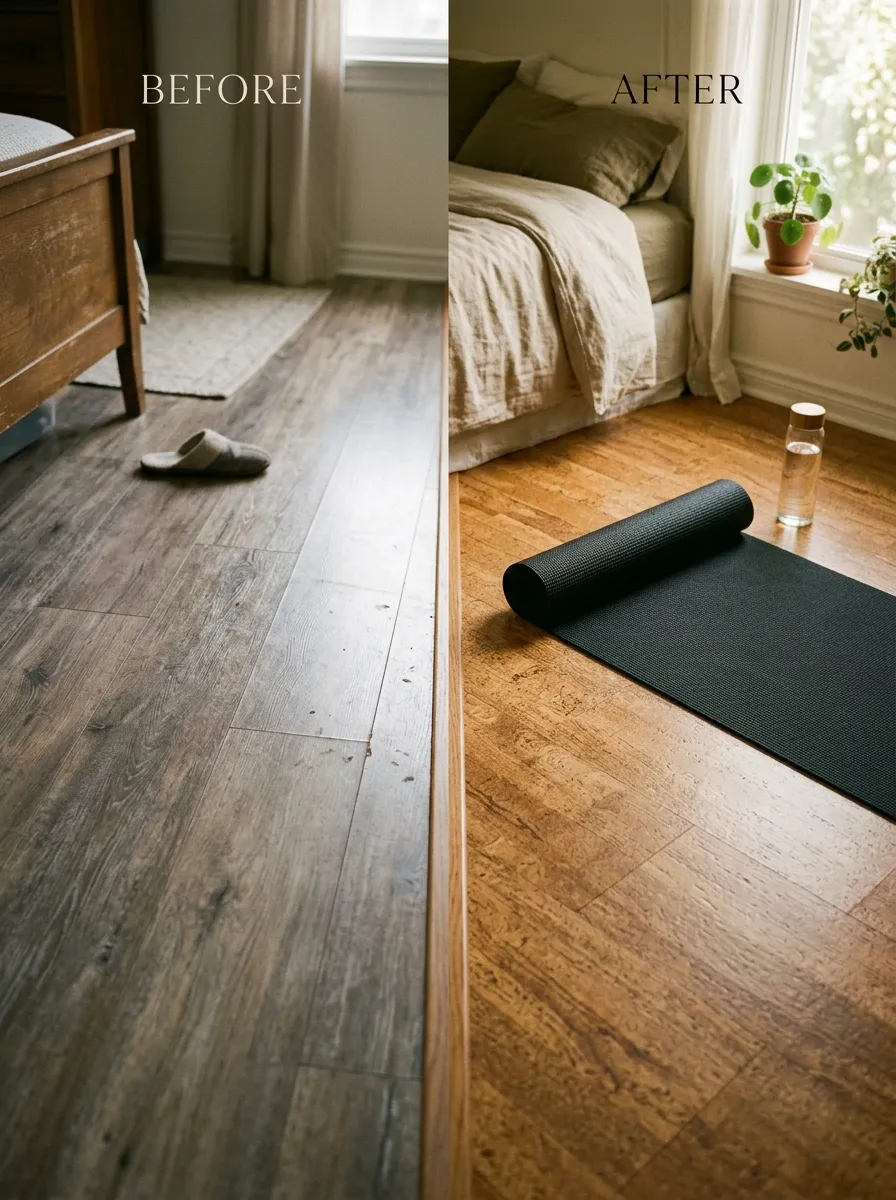
The bedroom floor was cold laminate, and my client confessed she’d been stretching on the bed just to avoid it. On the return visit, we laid interlocking cork tiles under a Manduka PRO mat, and the floor went from something to endure to something to enjoy. Her bare feet found warmth and a little spring, and the room started to feel built for a body rather than assigned a purpose. Among movement space flooring options, cork, dense rubber tiles, and a good mat over low-pile carpet all work in a suburban spare room, and most can be ordered from Amazon in an afternoon. Honestly, flooring is the first thing a body registers, so skip it and every session begins with a small, unconscious flinch.
2. First Visit Verdict: Office-White Walls. Second Visit: A Paint Color Made for This Room
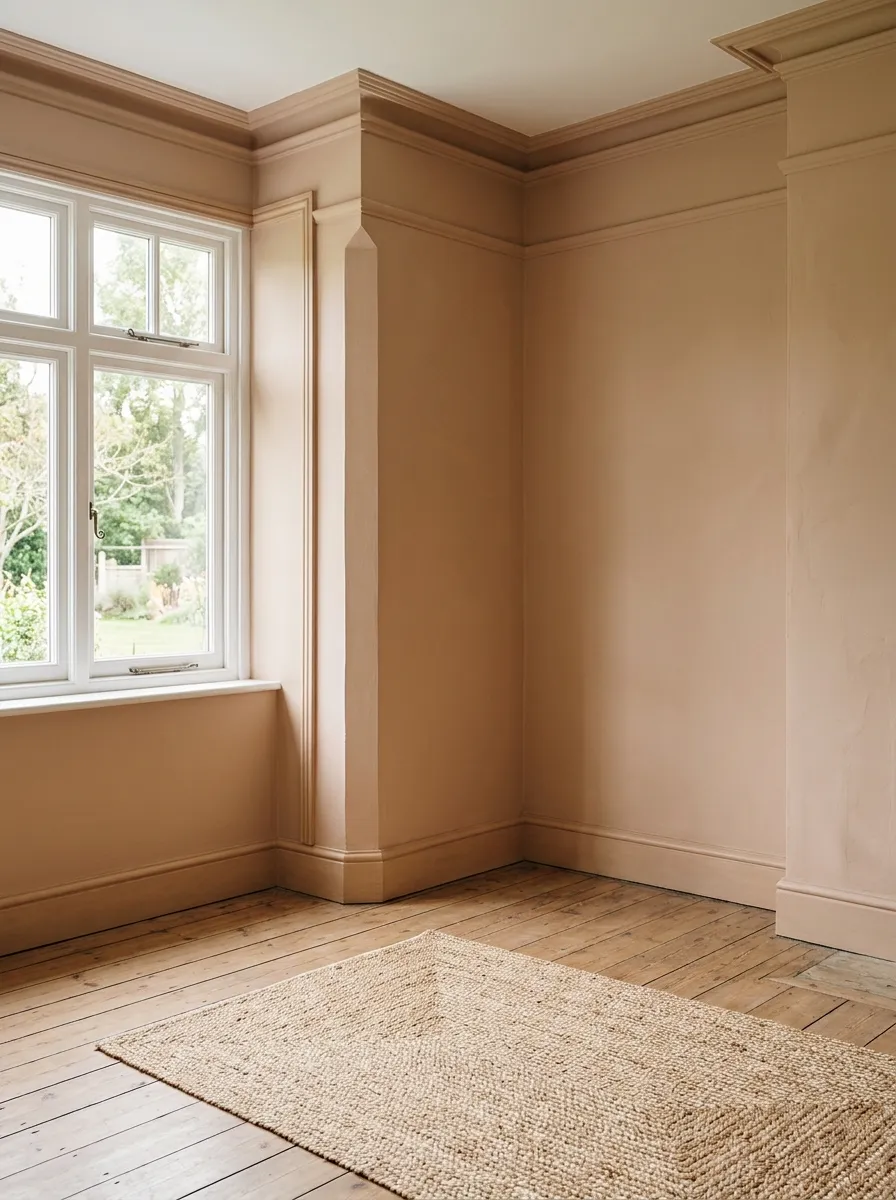
Every wall was builder-grade white, which gave the room the flat, fluorescent feel of a leasing office. On the second visit, we rolled a muted warm clay across three walls and kept the window wall pale so the light had somewhere to bounce. The room suddenly felt held, like someone had designed it for this exact purpose. A yoga room paint color calm enough for 6am usually lives in the family of sage, oatmeal, soft clay, or dusty blue, and a minimalist movement room design lets that one color carry the whole mood. I’ll say the quiet part: bright white under a harsh bulb will read as an office no matter how many plants you add.
The Consultant’s After Notes: Warm Muted Walls
❑ Choose a matte finish in warm clay or oatmeal, since glossy paint catches light in ways that distract during floor work.
❑ Paint three walls and leave the window wall about one shade lighter so the room feels open.
❑ The change that made the biggest difference was the warm undertone, which shifted how the entire room read.
❑ Budget version: one gallon from Target or a hardware store covers a small spare room for under $40, and a sample pot is enough for one accent wall.
3. Before: One Overhead Light, One Dentist Appointment Feeling. After: Layers That Transformed the Pilates Room
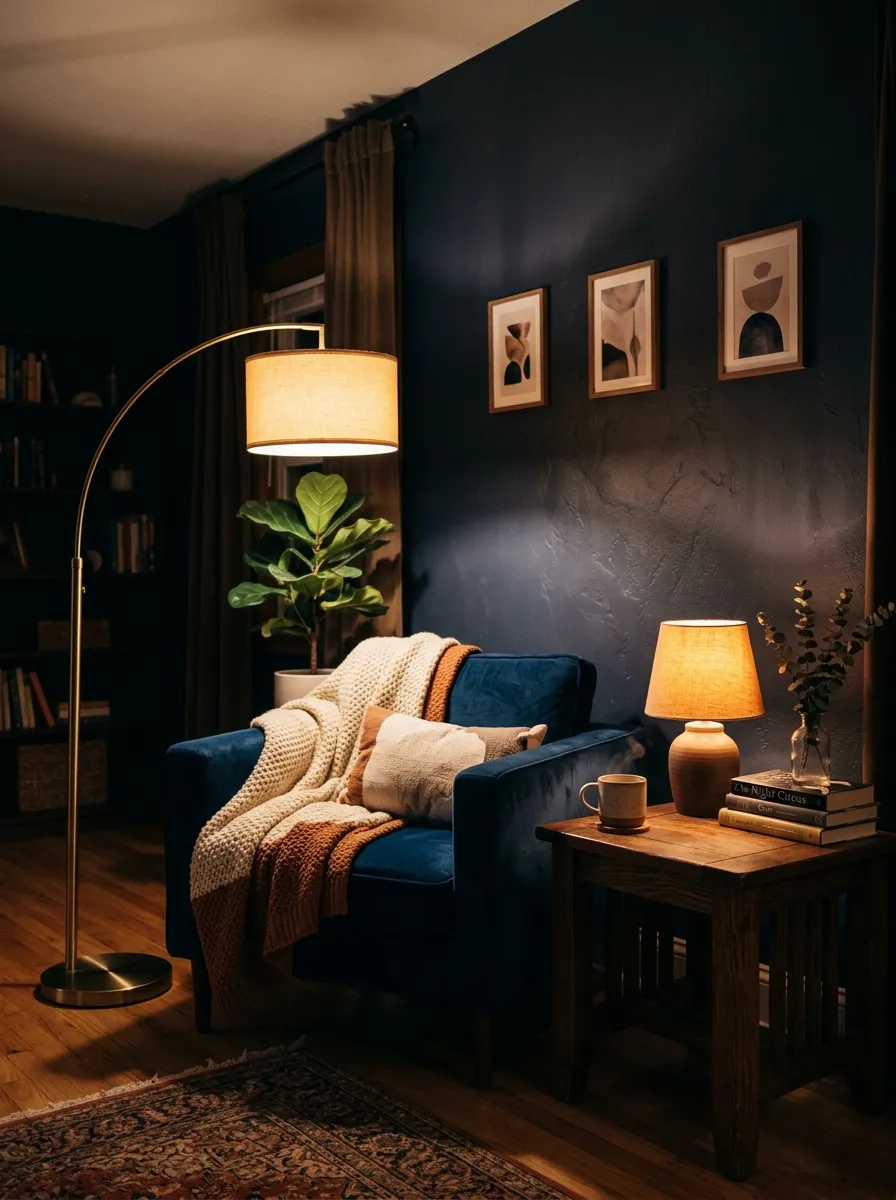
A single ceiling fixture was doing every job in the room, and my client described practice under it as a dentist appointment. We switched the overhead off for most sessions and added a warm floor lamp, a small table lamp on the shelf, and a dimmer on the main switch. The room softened immediately, and the same square footage felt deeper and kinder. Yoga room lighting layers, meaning ambient, task, and accent light, are the quiet secret behind every studio people love, and they cost far less than people expect. What I tell clients is that harsh light makes the body feel observed, while layered light makes it feel invited.
4. Heavy Blinds Out, Natural Light In: A Window Reworked for Practice
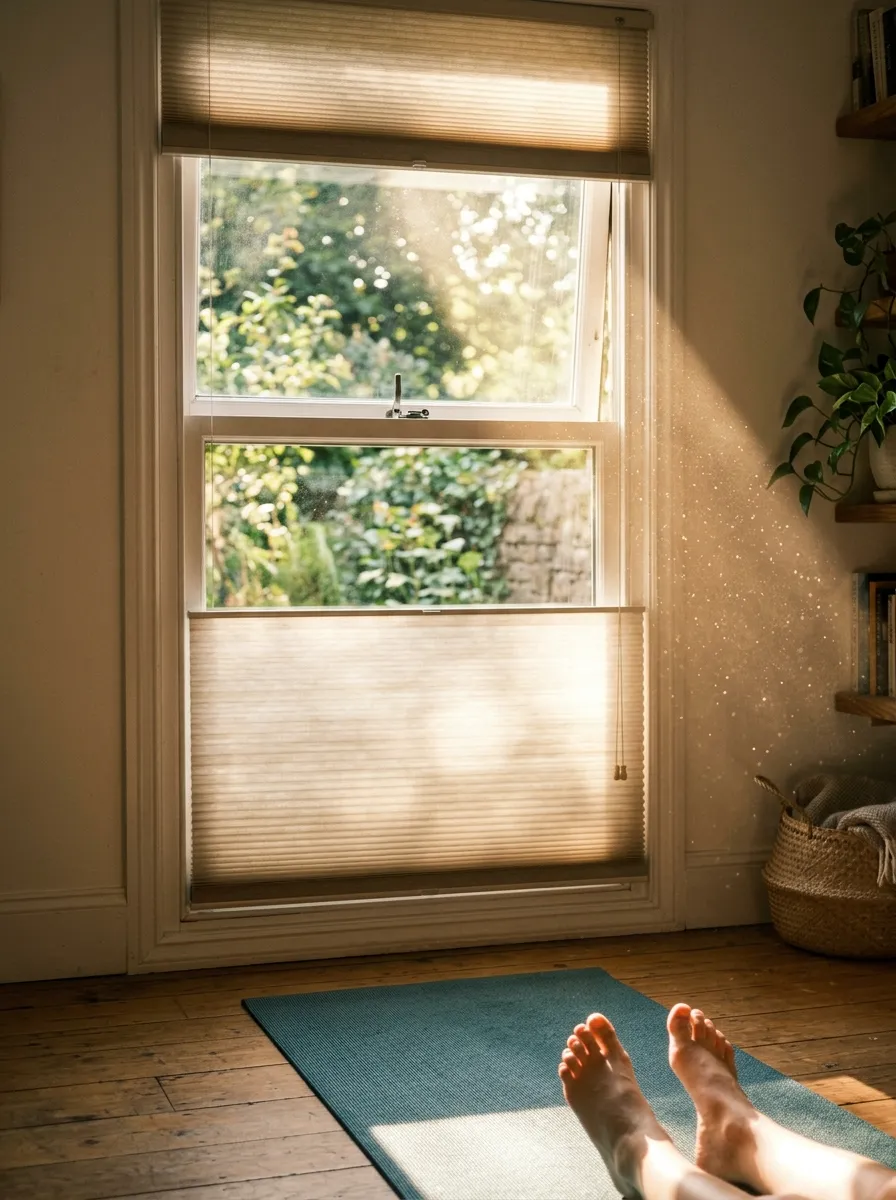
Heavy vinyl blinds had been shut for so long that the dust on them was its own kind of wallpaper. We replaced them with a cordless light-filtering shade from IKEA that lowers from the top, so sun enters without the street looking in. Morning light began landing on the mat itself, which gave my client a reason to roll out right at sunrise. Natural light yoga room design depends on which way the window faces: east light is gentle at dawn, south light is steady all day, and west light wants a filter by afternoon. Light is free, and a blocked window quietly wastes the best decor your space will ever have.
5. Before: A Room That Echoed Every Footfall. After: A Home Studio That Sounds Built for Practice
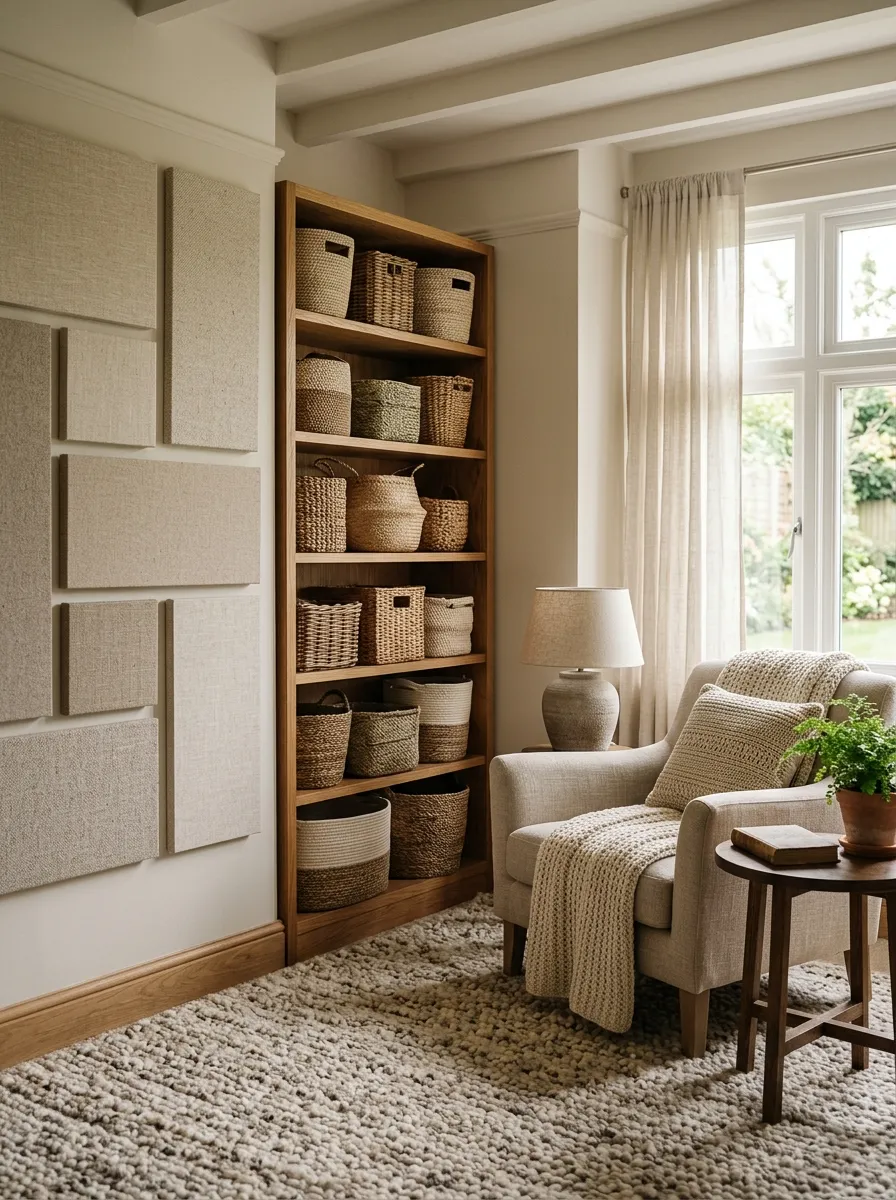
Footsteps, a dropped block, even a whispered cue bounced around the hard surfaces until the room sounded exposed and loud. We hung two fabric acoustic panels, added a bookcase of soft woven baskets on one wall, and let the rug do the rest. The echo disappeared, and the space settled into the hush that makes people drop their shoulders without being asked. Home studio acoustic treatment doesn’t need foam or a professional install, since fabric, bookcases, and heavy curtains absorb most of what bounces. A room that echoes keeps your nervous system on alert, which is the opposite of what practice is supposed to do.
🏠 The Foundation Assessment: What Every Home Movement Room Needs Before Anything Else Goes In
NON-NEGOTIABLE FIRST:
- A forgiving floor surface, because bare feet decide in seconds whether you’ll come back tomorrow.
- Light you can control, because you can’t tune a room you can’t dim or open.
- A permanent mat spot, because a space with no home for your mat is a space you’ll skip.
GET RIGHT BEFORE DECORATING:
- Wall color, because it changes how every lamp and curtain will look.
- Window treatment, because it decides how much of your light you can shape.
- Soft surfaces for sound, because they change what you can hang and where.
Order matters because each decision alters the next, and decorating first means redoing it later.THE FOUNDATION MISTAKE EVERYONE MAKES: People buy the reformer, the diffuser, and the wall art before fixing the floor and the light, so the expensive pieces end up sitting in a room that still doesn’t invite use.
Every set of home workout room ideas begins here, and the right movement space flooring options come before anything photogenic. A movement space that’s ready the night before makes a morning practice inevitable rather than optional, and our morning practice guide shows exactly how to build movement into a morning routine that actually holds.
Visit Chapter 02: The Practice Zone
Where the Movement Actually Happens
This is where I watch how a client actually moves, because a practice zone fails quietly through small obstacles. I change whatever blocks the flow of the body and leave everything else alone.
6. Before: A Mat Rolled Up in the Corner. After: Home Workout Room Ideas That Make Showing Up Automatic
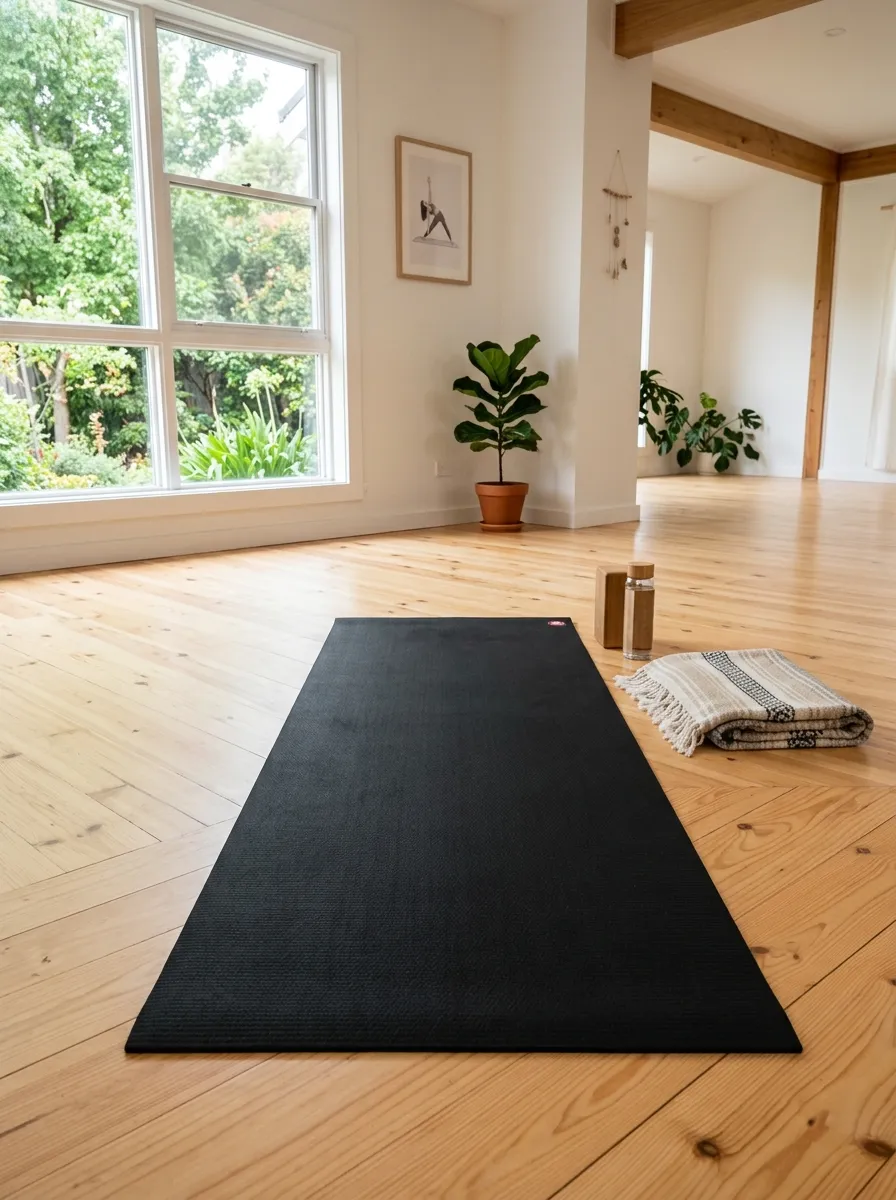
The mat lived rolled behind a laundry basket, which meant every session began with excavation. We unrolled a Manduka PRO in the center of the clearest floor patch and decided it would stay there, ready, day and night. My client told me the first morning felt almost silly because there was nothing to set up, and then she realized that was the point. Home yoga room ideas and pilates room ideas share this first principle: the mat’s permanent address removes the biggest excuse people make at 6am. If your mat has to be found, your practice has to be negotiated, and negotiation usually loses to a snooze button.
7. A Mirror Propped at the Wrong Angle, Then a Pilates Room Mirror That Helps Alignment
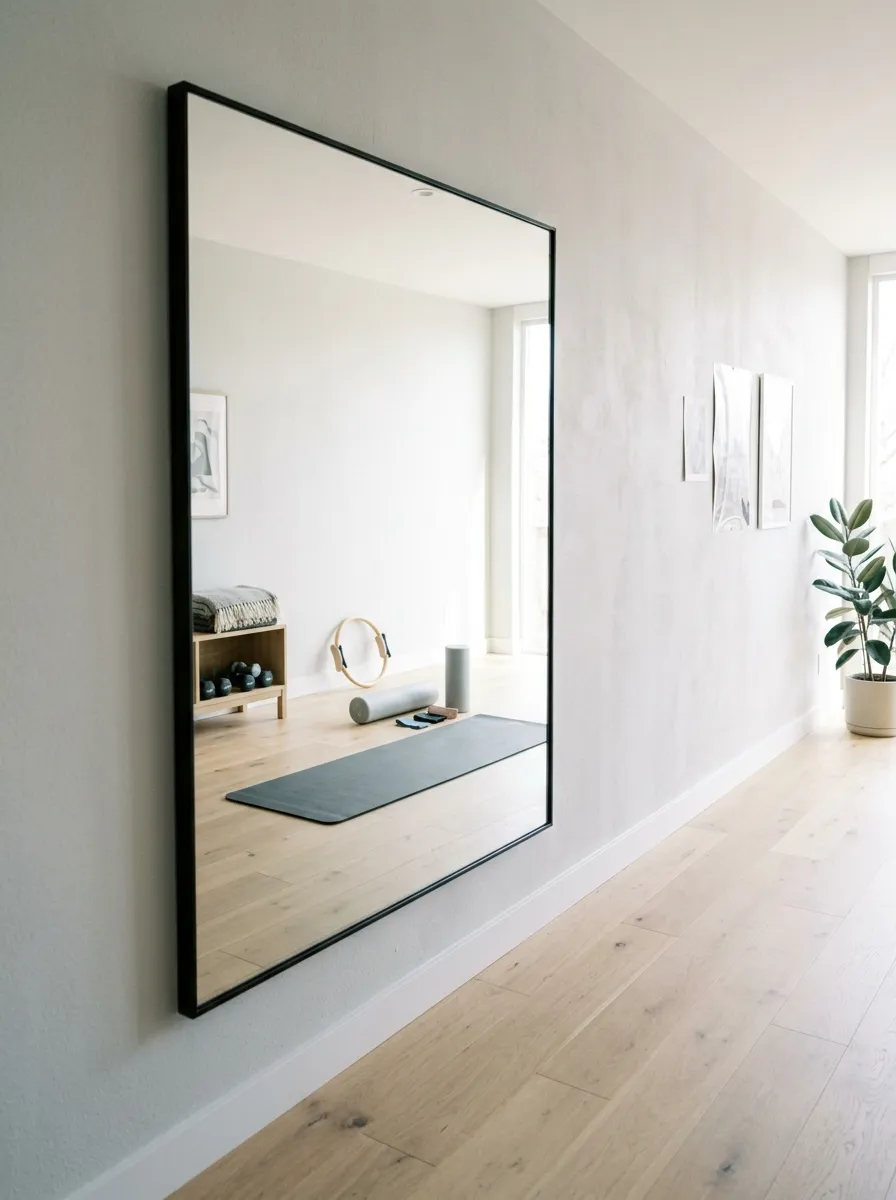
A mirror leaned against the wall at a backward tilt, and it showed my client her ceiling more than her alignment. We mounted a full-length mirror on the long wall, bottom edge about 12 inches off the floor, so she could see her hips and spine from a side-facing stance. Her cues finally made sense because she could see them, and the room began to look more like a studio than a spare bedroom. A mirror wall home yoga studio setup doesn’t need to span the whole wall, and a single wide panel at the right height also does the job for pilates room decor. A mirror at the wrong angle teaches the eye the wrong things, so placement matters more than size.
8. Before: A Reformer Blocking Every Other Movement. After: Placement That Freed the Whole Movement Space
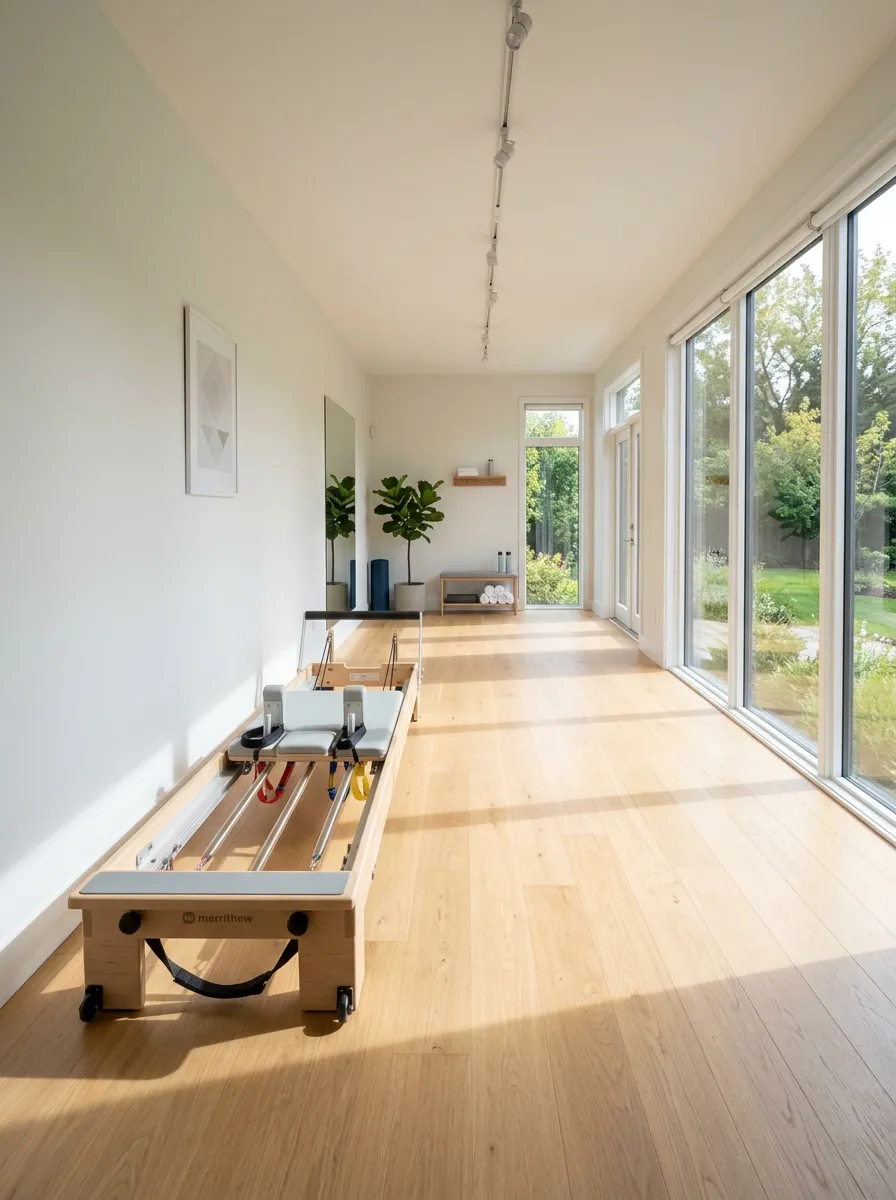
The reformer sat in the middle of the room like a piece of furniture nobody had agreed to, and it blocked every other kind of movement. We turned it parallel to the long wall, pushed it into a corner zone, and left a clear rectangle beside it for mat work. The whole room opened up, and my client stopped stepping around it to reach her space. Pilates reformer home space planning needs roughly eight feet by four, plus two feet at the foot end, and the best placement leaves the window and door sightlines free. A reformer that dominates the floor trains you to avoid the room, so give it a home and let it recede.
9. Before: Props in a Plastic Bag Under the Bed. After: Storage That Became Part of the Yoga Room Decor
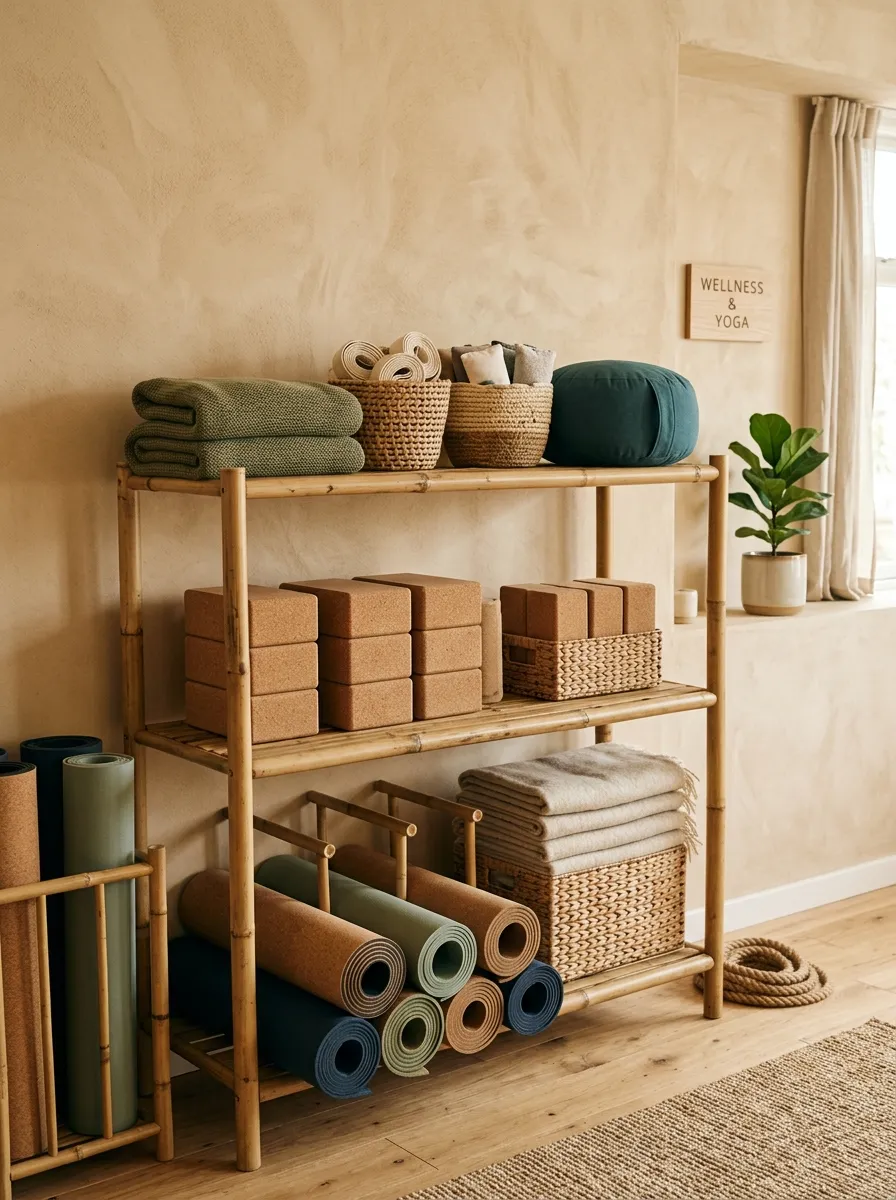
Blocks, straps, and a bolster lived in a plastic bag under the bed, so reaching for a prop meant giving up on the idea of using one. We set a bamboo shelf against the wall with woven baskets, a folded blanket stack, and the blocks lined up at eye level. The props turned into part of the decor, which made them feel like invitations. Yoga mat storage ideas that stay visible, like a wall-mounted rack or a ladder shelf, keep your practice organized without the supply closet look. People use what they can see, and they forget what they’ve hidden.
The Consultant’s After Notes: Visible Prop Storage
❑ A bamboo or oak shelf with two woven baskets, one for blocks and straps and one for small pilates props like rings and bands.
❑ Keep the shelf between 30 and 48 inches high so nothing requires bending low or reaching overhead.
❑ Putting the blocks and bolster on display made the biggest difference, because visible props get used.
❑ Budget version: an IKEA bookcase or a Target cube shelf with fabric bins, under $60.
10. The Rug That Slid Every Session, Replaced by a Movement Room Rug That Stays Put
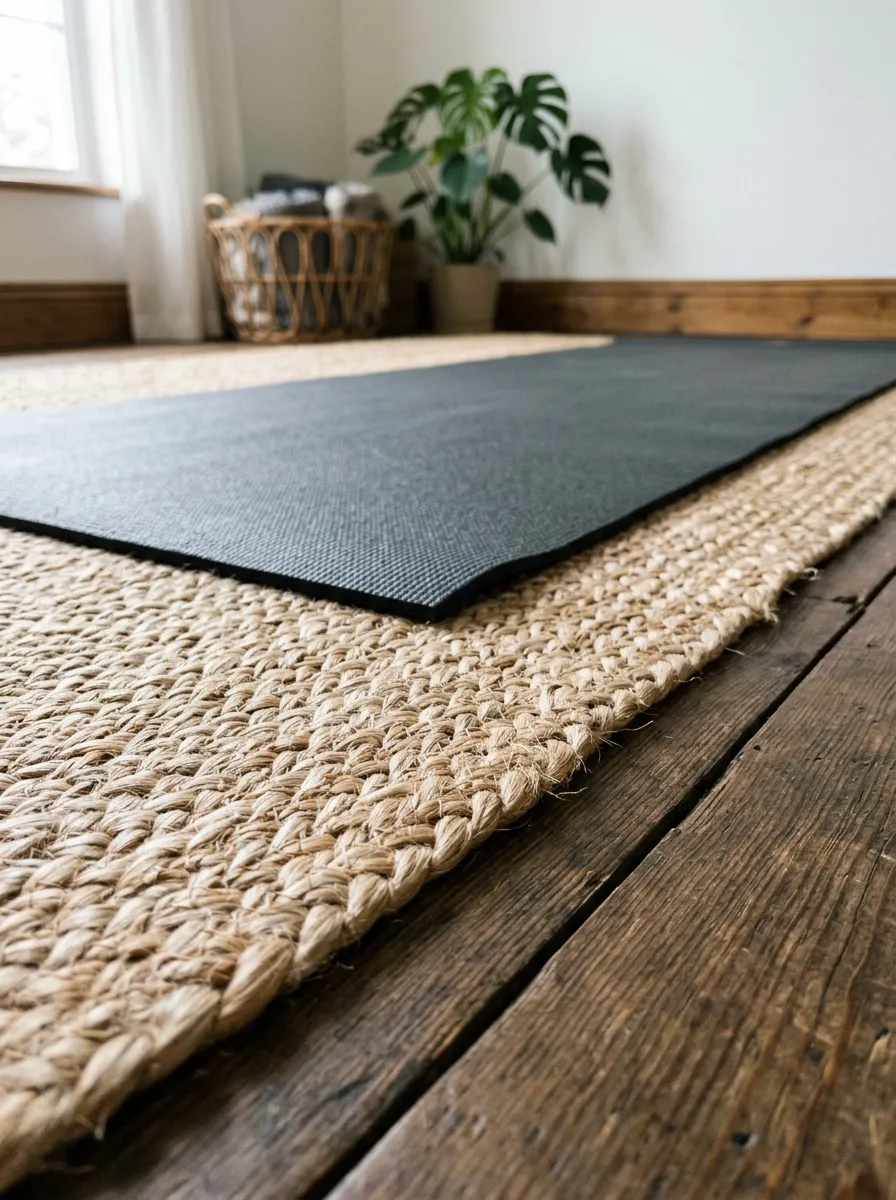
Under the mat, a decorative rug crept an inch every session, and my client spent the first minute of practice nudging it back. We replaced it with a low-pile jute rug with a non-slip pad underneath, and the mat now sits on it without a wobble. Practice no longer begins with housekeeping, and the natural fiber warms the room visually. Movement room rug selection comes down to three things: low pile, a grippy backing, and a size large enough that the mat never sits near the edge. A rug that moves is a small irritation, but small irritations are exactly what end good habits.
11. Before: No Defined Space for Different Practices. After: Home Workout Room Ideas That Hold Pilates and Yoga Together
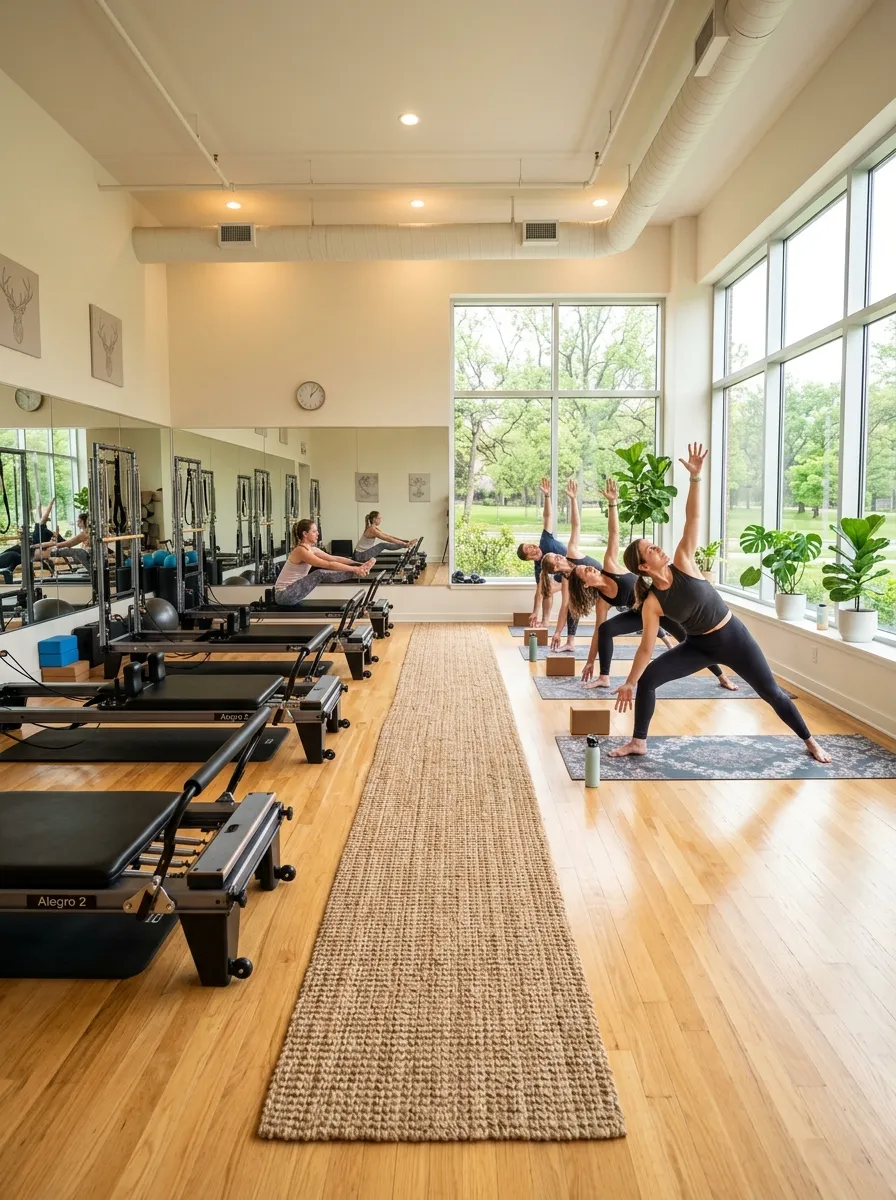
Everything happened in one undefined patch of floor, so a pilates session and a yoga flow competed for the same inch. We marked two zones with a rug and a floor tape line: a reformer and mat zone on the mirror side, and a flowing yoga zone near the window. Each practice now has its own corner and its own mood, and the room stops asking you to choose. Home pilates studio ideas, yoga room corner transformation, and a home gym yoga room all work best when the zones never overlap, since overlap breeds clutter. When a room does two jobs without boundaries, it does neither well.
🧘 The Yoga vs Pilates Space Requirements: What Each Practice Needs Differently in a Home Room
ELEMENT YOGA SPACE PILATES SPACE Minimum floor area About 6 by 8 feet for one mat with arms-wide clearance 6 by 8 feet for mat work; roughly 8 by 10 feet with a reformer Mirror need Optional; helpful for alignment checks Strongly recommended for form and symmetry Equipment storage Blocks, straps, bolster, blanket on an open shelf Rings, bands, small props, plus a reformer parked against a wall Ceiling clearance Standard 8 feet works; allow room for overhead reach Standard 8 feet works; allow extra for reformer box work Lighting preference Warm, dimmable, soft Brighter, even light for clear alignment cues Flooring priority Grip and cushion for hands and knees A firm, even surface, especially under a reformer Wall space use A clear wall for supported poses Mirror wall and barre The best pilates room ideas lean toward clarity and structure, while the best yoga room ideas lean toward warmth and softness, and a shared room can hold both when the zones are honest. What you wear when you step into either zone also matters, since it signals to your body that practice is starting, and our movement outfit ideas guide has the specific activewear that makes a home pilates or yoga practice feel as intentional as a studio class.
Visit Chapter 03: The Atmosphere
The Layer That Makes the Difference Between a Room You Use and One You Avoid
Atmosphere is the layer clients tend to skip and then wonder why the room still feels off. Here I trade the leftovers of the rest of the house for choices that belong to your practice.
12. Before: Plants Nobody Remembered. After: The Yoga Room Plants That Survive
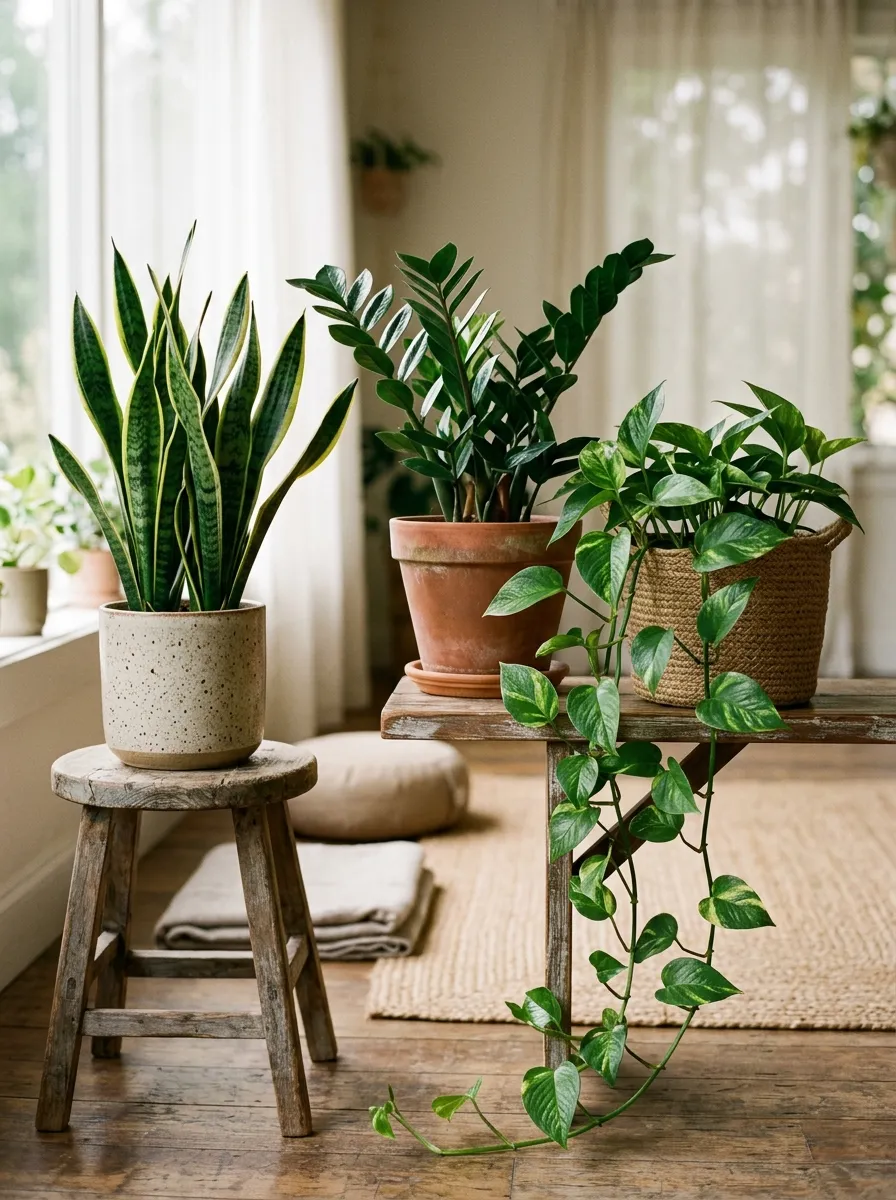
Three plants had died in that room, and my client had stopped buying new ones out of guilt. We chose a snake plant, a pothos on the shelf, and a ZZ plant by the window, since all three forgive a missed watering week. The room softened, the air felt fresher, and the greenery gave her eyes something alive to rest on mid-pose. Yoga room plant styling works best in odd numbers and varied heights, with at least one plant at floor level to ground the space. Plants nobody remembers are worse than no plants at all, so choose the ones that tolerate you.
13. Whatever the Rest of the House Smelled Like, Replaced by a Scent That Signals Practice
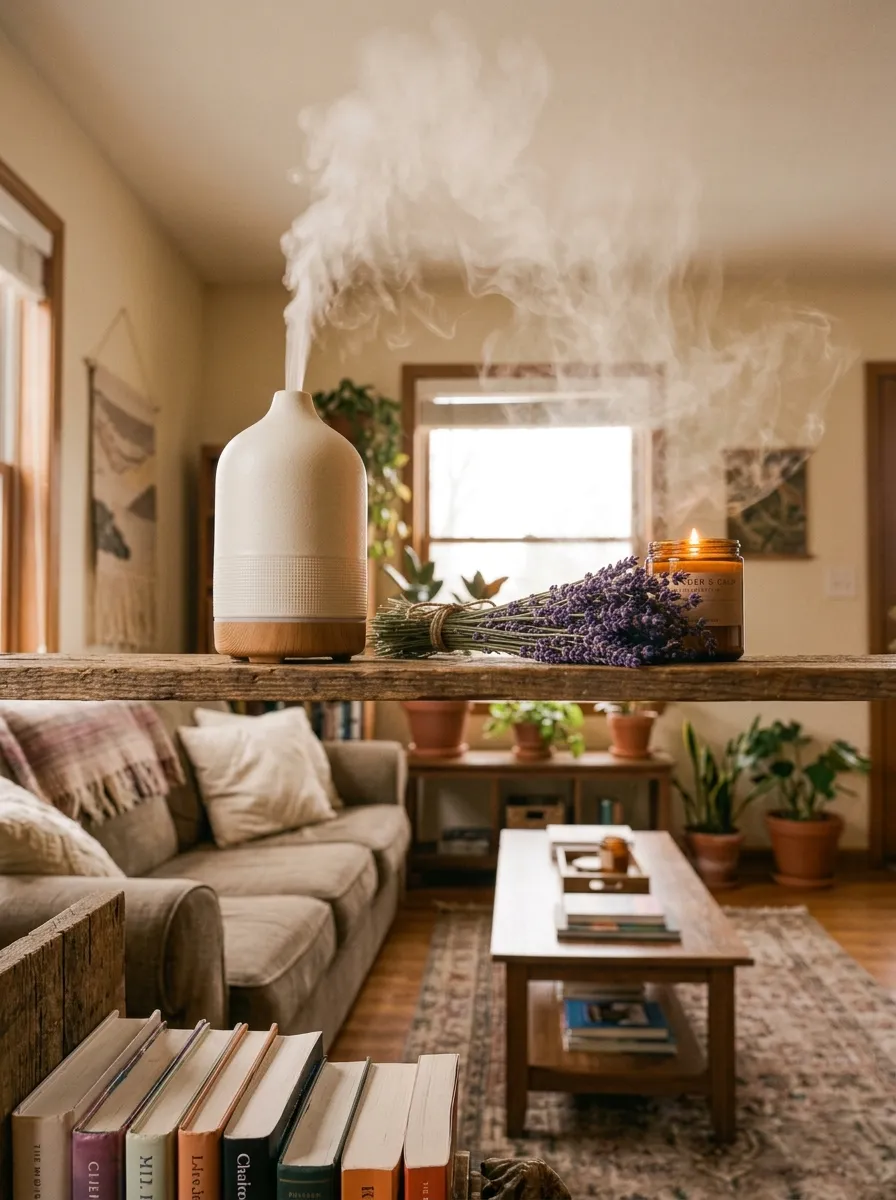
The room smelled like whatever the rest of the house smelled like, usually breakfast or laundry. We placed a diffuser on a high shelf and chose one blend, lavender and cedarwood, reserved for practice only. Within two weeks, the scent alone made my client’s shoulders drop as she walked in. A well-chosen essential oils yoga room scent works as a trigger, so use the same blend every time and keep it light enough that you can barely notice it. Scent is memory, and memory is what turns a room into a habit.
14. Before: Curtains Left Behind by the Previous Tenant. After: Sheer Panels That Transform the Light
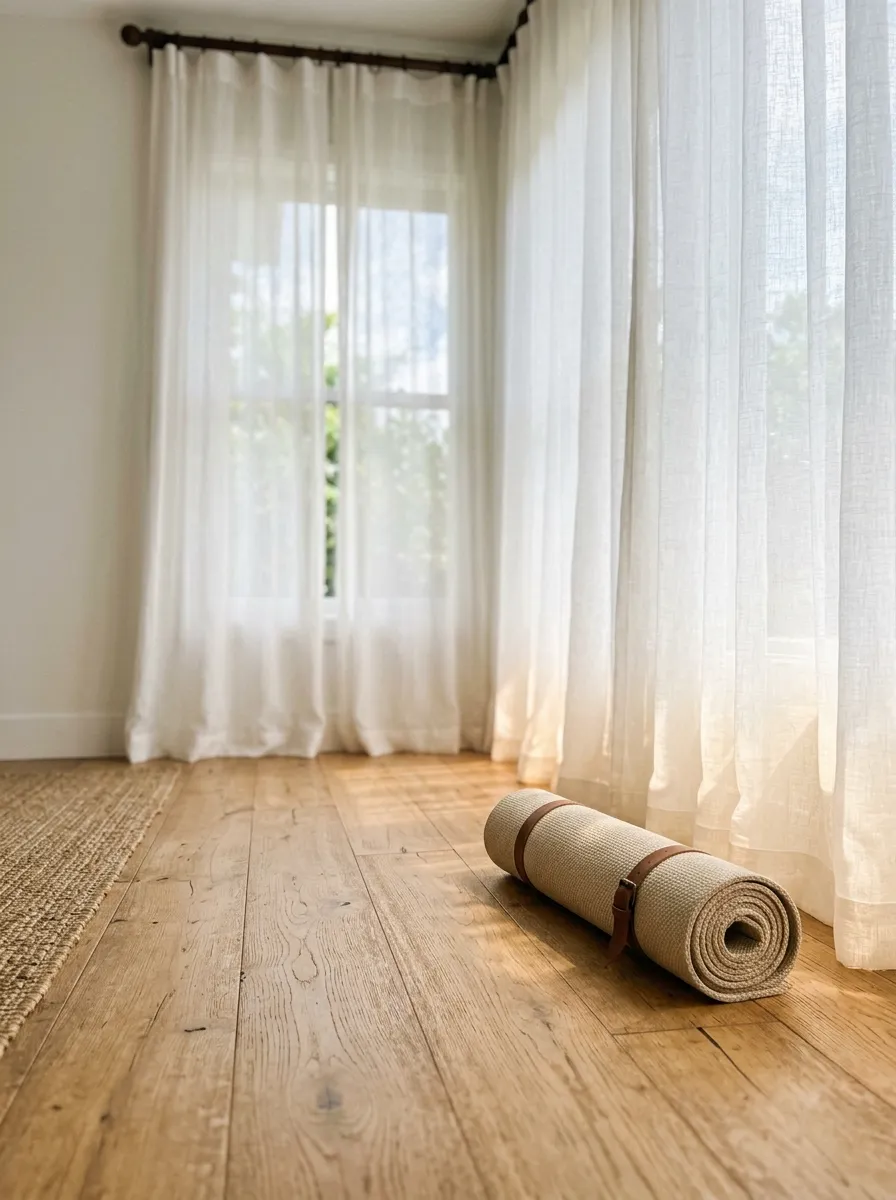
Left behind by the previous tenant, the dark floral curtains turned the afternoon room into a cave. We hung two sheer white panels from IKEA on a rod mounted close to the ceiling, which made the window look taller and bathed the room in a soft, diffused glow. The light stopped being a glare on the mirror and became something the room wore. A yoga room curtain sheer enough to filter, paired with a heavier layer you can pull closed at night, gives you both morning glow and evening privacy. Borrowed curtains rarely suit a room with a purpose, and swapping them is one of the cheapest changes with the biggest return.
15. Before: Blank Walls That Made the Room Feel Temporary. After: Wall Art That Anchors Without Distracting
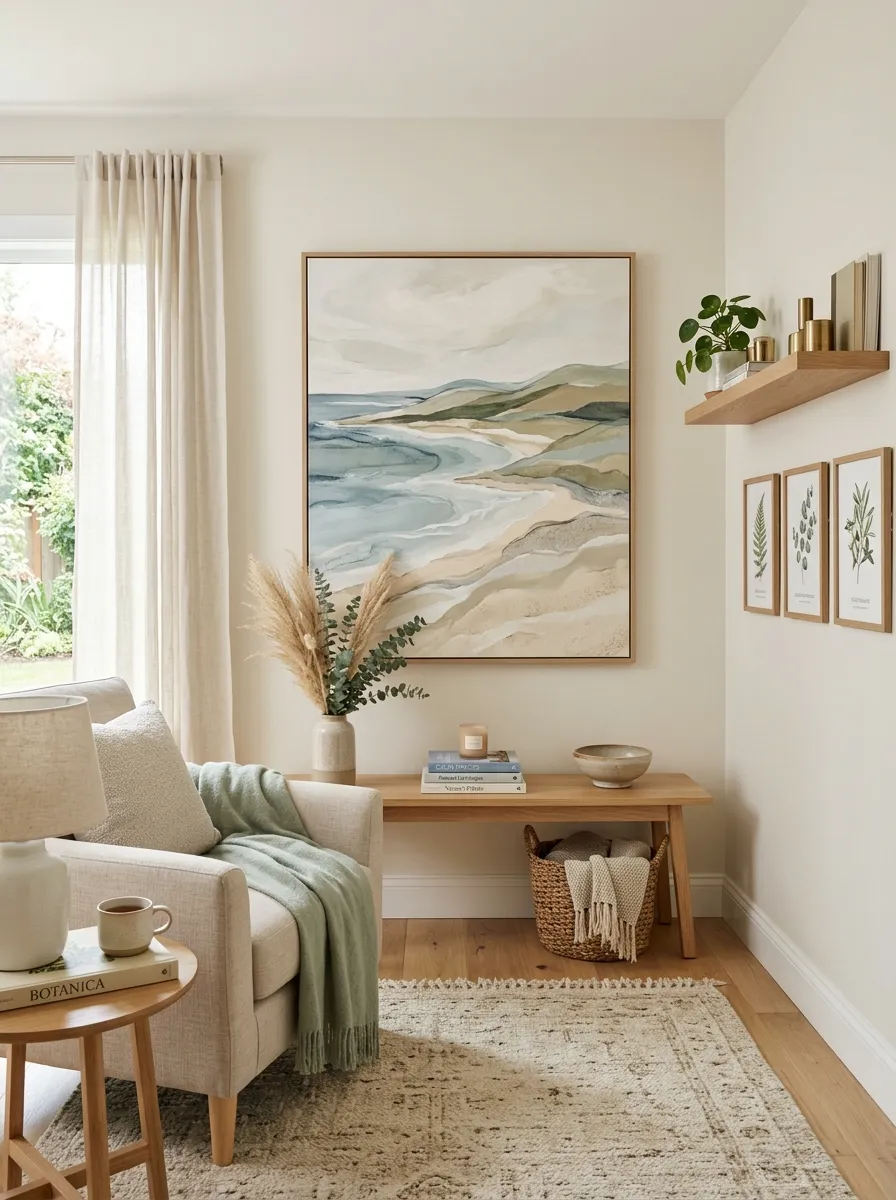
Blank walls made the room feel temporary, like a place she was waiting to leave. We hung one large abstract landscape above the mat zone and a trio of small botanical prints near the shelf. The room finally had a focus point for the eyes during balance poses, and it began to feel permanent. Yoga room wall art calm in tone, with soft color, low contrast, and no busy detail, anchors the space, and the same yoga room wall ideas translate neatly into pilates room decor. Walls that say nothing leave a room unfinished, but walls that say too much make it hard to focus.
16. Before: A Speaker on the Floor. After: Sound That Fills the Pilates Room Without Competing
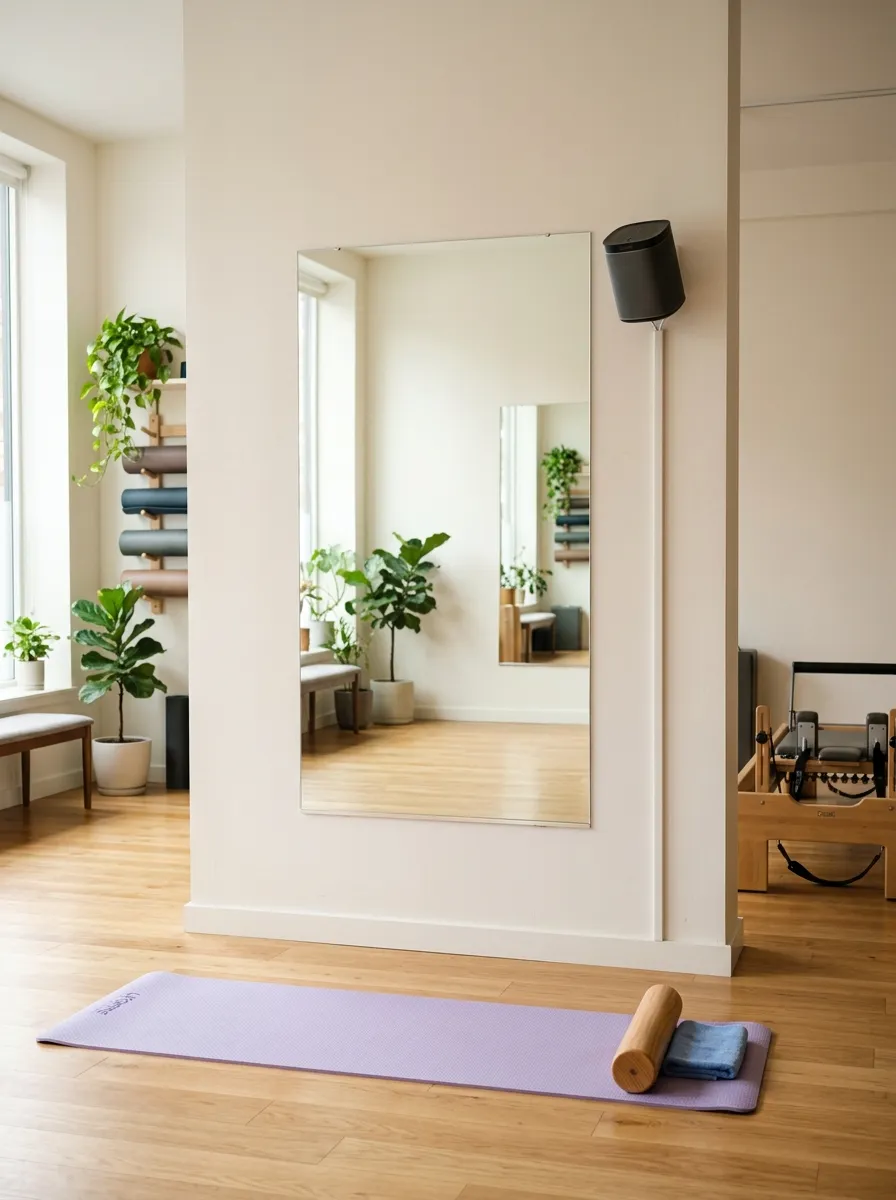
A Bluetooth speaker sat on the floor in the corner, and the sound hit my client’s ankles before it reached her ears. We mounted a compact speaker high on the wall, angled toward the center of the room. Music began to fill the space evenly and the volume dropped, because it no longer had to fight the floor. Placing a speaker above the practice zone and keeping the playlist instrumental makes a pilates room feel like a studio rather than a gym. Sound that competes with you is just noise, but sound placed with care becomes part of the room’s rhythm.
The Consultant’s After Notes: Sound From Above
❑ A compact wall-mount or shelf speaker with a warm, low-mid sound rather than heavy bass.
❑ Mount it 5 to 6 feet off the floor, angled toward the center of the practice zone and at least 3 feet from the nearest corner.
❑ Moving the speaker off the floor made the biggest difference; the same volume suddenly felt fuller and calmer.
❑ Budget version: a small shelf speaker from Amazon on an existing bookcase, under $30.
17. The Barre That Never Sat at the Right Height, Now a Home Barre That Works
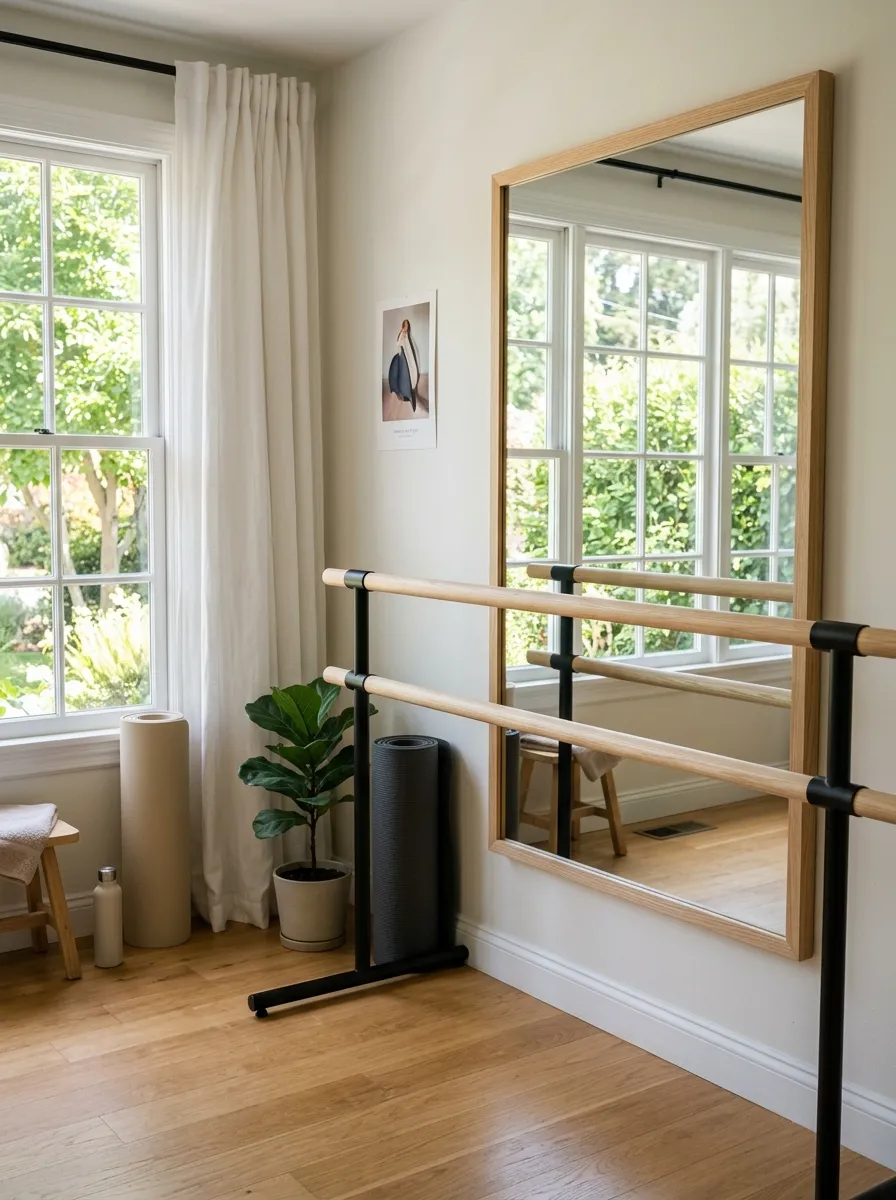
Hip height was supposed to be the standard, but the barre leaned against the wall at an angle that fit no one, and my client avoided it. We replaced it with a freestanding adjustable barre that raises to match her waist and rolls away when she wants floor space. Her standing work sharpened almost immediately, because she finally had a reliable point of contact. A balance barre home pilates setup needs about 36 to 42 inches of height for most adults, with a stable base that doesn’t tip. Equipment that doesn’t fit your body gets abandoned, and a barre that wobbles is a barre that stops being used.
🌿 The Atmosphere Before-and-After: What Changed in These 6 Elements and What It Did to the Practice
SCENT: Whatever the house smelled like → A single practice-only lavender and cedar blend
WHAT IT CHANGED: Walking in began to relax her shoulders before the first stretch.LIGHT QUALITY: Flat overhead glare → Layered warm lamps and filtered window light
WHAT IT CHANGED: Evening sessions stopped feeling like work and started feeling like a pause.SOUND: Echo and a floor speaker → Soft surfaces and a wall-mounted speaker
WHAT IT CHANGED: Her cues and breathing became easier to hear, so her focus held longer.PLANT PRESENCE: Dead plants → Three hardy plants at different heights
WHAT IT CHANGED: The room gained something alive to look at during balance work.WALL FOCUS POINT: Blank walls → One anchoring art piece at eye level
WHAT IT CHANGED: Standing poses steadied because her gaze finally had somewhere to land.TEMPERATURE FEELING: Cold floor and stuffy air → Cork warmth, a small fan, and a throw by the door
WHAT IT CHANGED: She stopped skipping practice on days when the weather argued against it.A yoga room aesthetic is built from exactly these small decisions, and a well-chosen essential oils yoga room scent does more work than any single piece of decor. An evening session in a room with this kind of atmosphere flows naturally into genuine rest, and our evening recovery ideas guide shows the wind-down practices that make the transition from movement to sleep feel effortless.
Visit Chapter 04: The Details
The Decisions That Separate a Space That Gets Used Daily From One That Gets Used Occasionally
Details decide whether a room is used most days or only when motivation is high. I look for the tiny frictions that quietly end a practice before it starts.
18. Before: A Meditation Corner That Was Really a Cushion in the Way. After: A Zone With Its Own Purpose
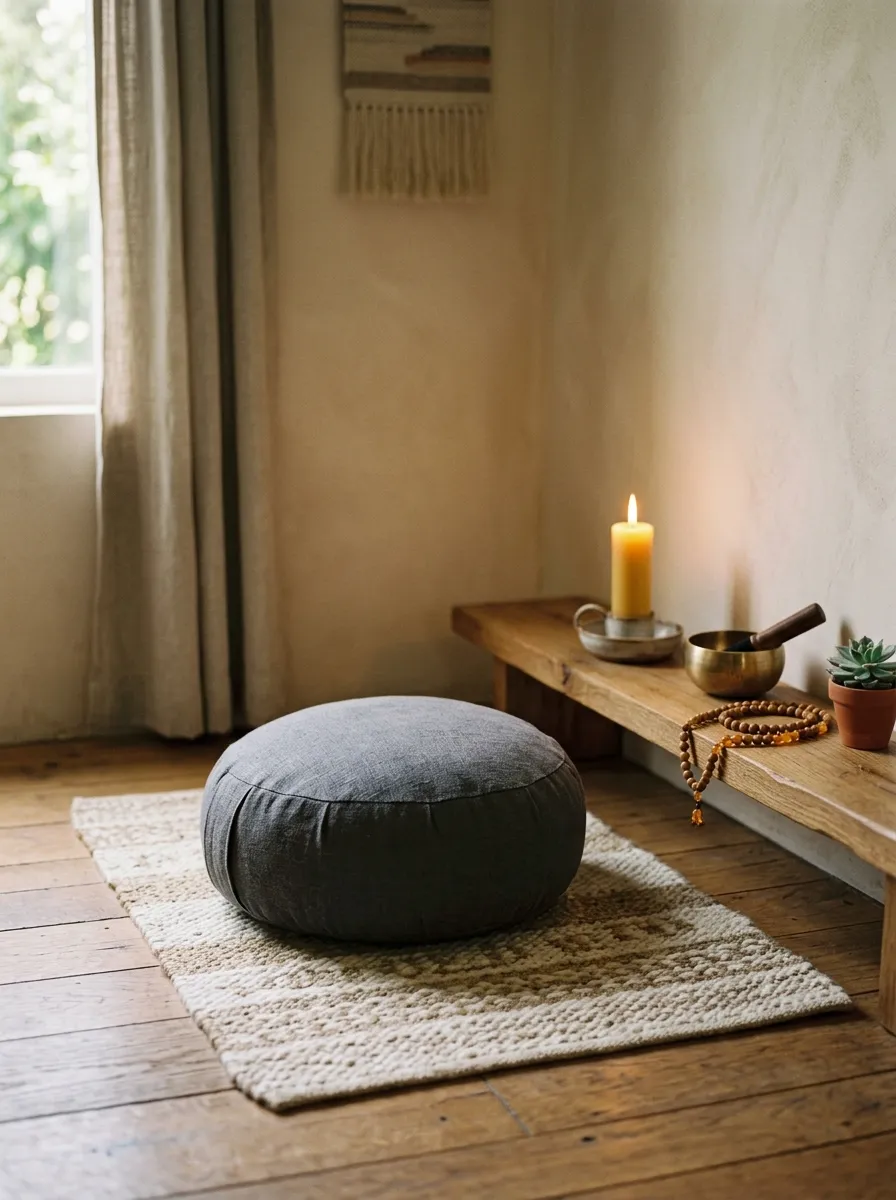
A meditation corner was really just a cushion tossed in front of the door, so sitting meant moving it first. We chose one corner away from the traffic path, set a zafu on a small round rug, and added a low shelf for a candle and a book. The corner became its own tiny room within the room, quiet and deliberate. Meditation room ideas home practices benefit from, such as a consistent seat and a single object to rest the eyes on, do their best work when kept separate from the movement zone. A cushion in the way of the door reads as clutter, but the same cushion with a place of its own reads as an intention.
19. Before: Nowhere to Set Water, a Towel, or a Phone. After: The Small Tray That Completes the Space
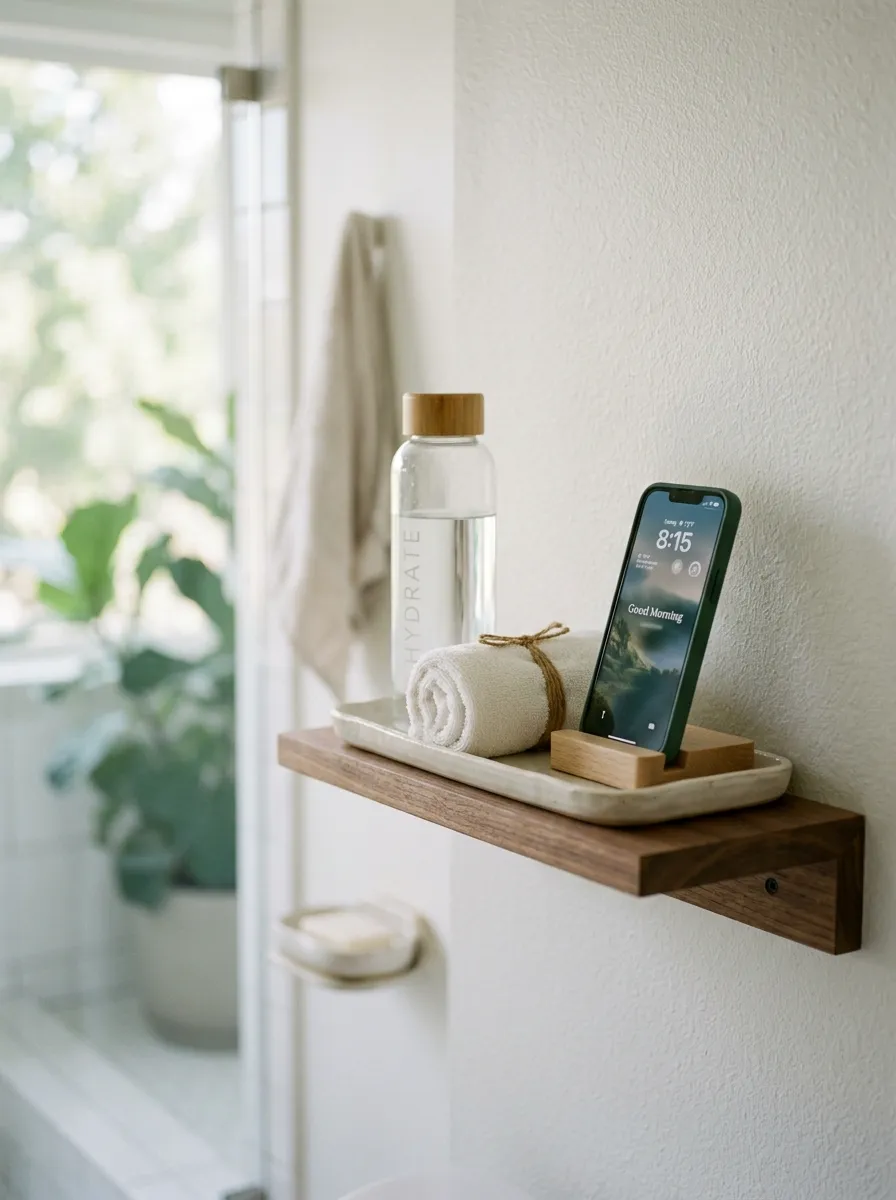
There was nowhere to put a water bottle, a towel, or a phone, so all three ended up on the floor mid-practice. We added a narrow floating shelf at the edge of the mat zone with a small tray holding a water bottle, a rolled towel, and a phone dock. Reaching for water no longer broke the flow, and the shelf quietly finished the space the way a nightstand finishes a bedroom. Home workout space ideas like this one cost almost nothing but remove the most common micro-interruptions. A tray the size of a magazine is often the difference between a room that works and one that almost does.
20. Getting Ready in Another Room Lost the Momentum. A Getting-Ready Corner Keeps Practice Alive
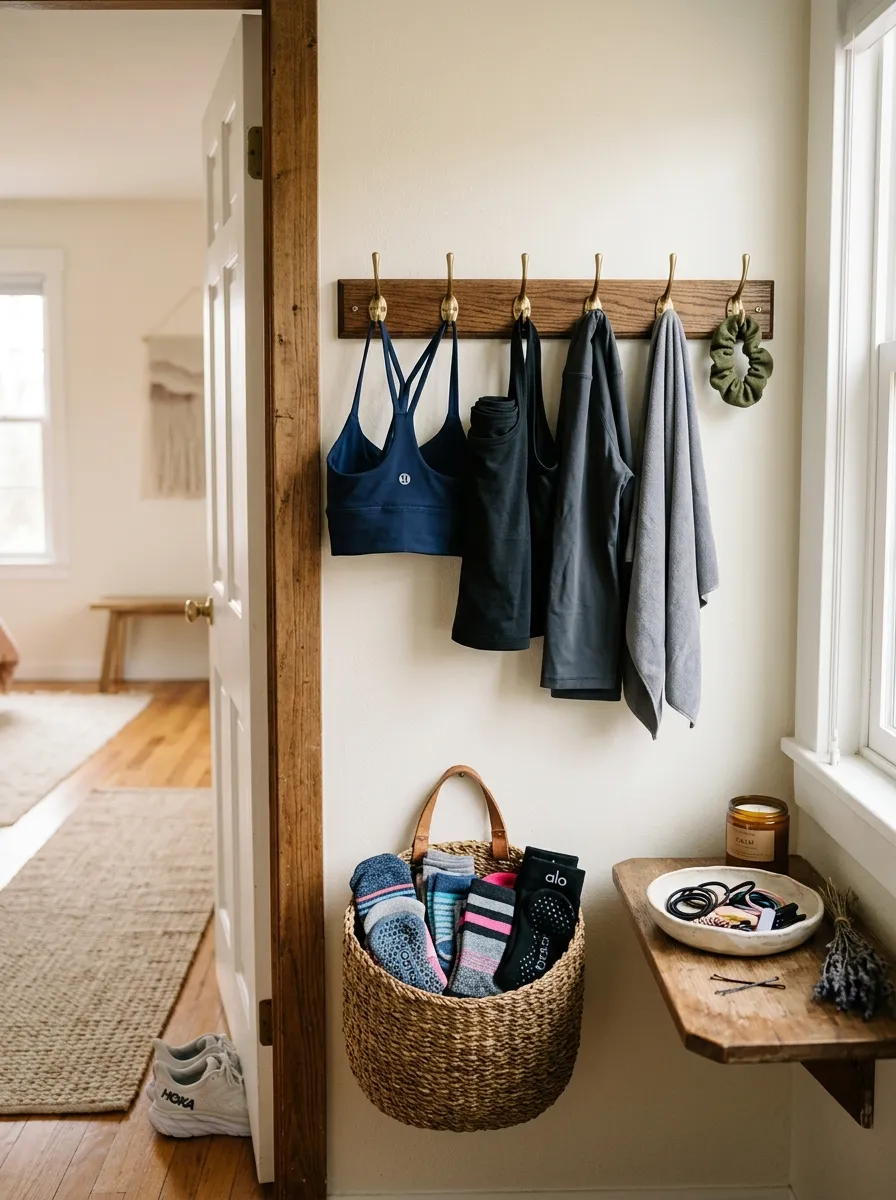
Getting ready happened in another room, and by the time she’d changed, found her socks, and tied her hair, the motivation was gone. We added a small hook rail, a tiny basket for hair ties and grip socks, and a folded stack of practice clothes right inside the door. Practice began the moment she crossed the threshold, because everything she needed was already there. A Lululemon set laid out the night before makes the morning feel decided rather than debated. Momentum is fragile, and every extra room between you and your mat is a place for it to leak out.
21. Before: Household Clutter Creeping In. After: Home Workout Room Ideas That Protect the Space
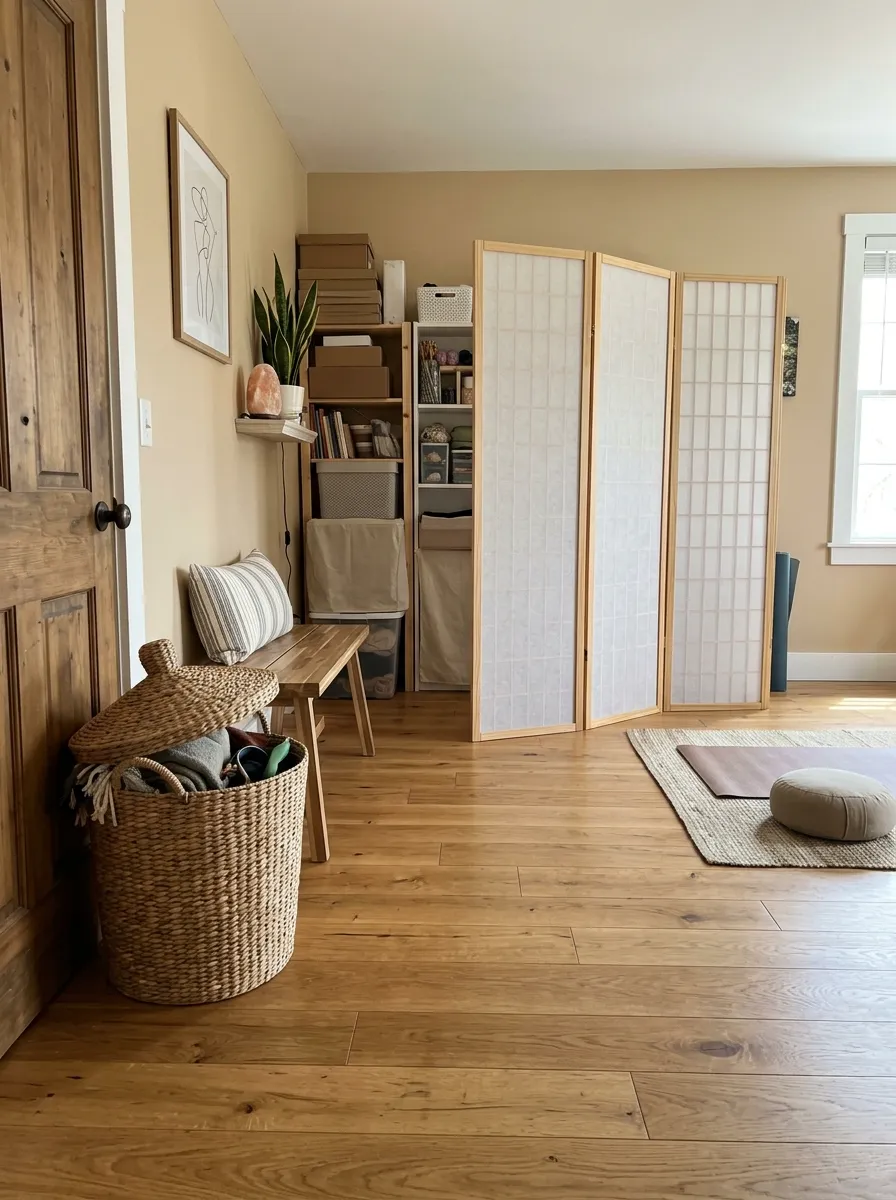
Laundry, a box of donations, and a child’s science project had migrated into the room one week at a time. We set a simple rule, added a lidded basket by the door for anything that wandered in, and placed a small folding screen to visually close off the storage side. The room regained its edges, and my client began to treat it as protected ground. Minimalist movement room design isn’t about owning less so much as deciding what belongs and giving everything else a different address. A room that collects the household’s leftovers will never feel like it belongs to your practice.
22. Before: Lovely but Cold in Winter and Stuffy in Summer. After: Comfort Across Every Season of Practice
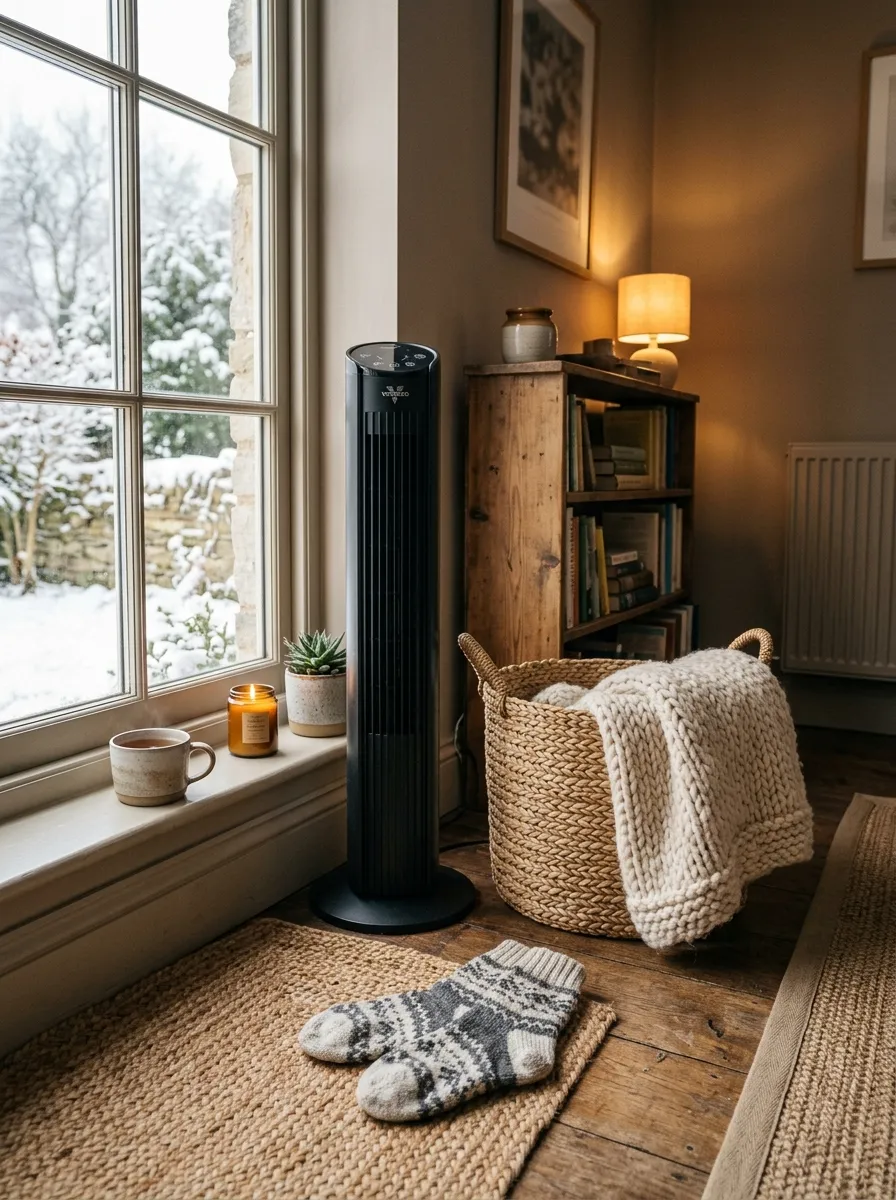
Lovely on a mild morning but freezing in deep winter and stuffy at the height of summer, the room only worked about a third of the year. We added a quiet tower fan, a small oil-filled heater placed safely away from the mat, and a cozy throw and wool socks kept in a basket by the door. The room now feels comfortable across the whole calendar, and practice stopped depending on the weather. Seasonal comfort is a design choice, and a fan in summer and a throw in winter matter more than most decor items. A room you can’t stay comfortable in will eventually be a room you stop entering.
💰 The Home Movement Space Budget Guide: What the Before-and-After Actually Costs
THE $50 BEFORE-AND-AFTER:
- A warm bulb and clip-on lamp (about $15) to replace harsh overhead light.
- A small diffuser with one practice-only blend (about $20).
- A hook rail and basket for clothes and socks (about $15).
Impact: the room stops feeling like a spare room and starts feeling like it has a routine.THE $150 BEFORE-AND-AFTER:
- Cork tiles or a jute rug with a non-slip pad (about $50).
- Sheer curtains from Target or IKEA (about $25).
- A dimmable floor lamp (about $30).
- A shelf with baskets for props (about $30).
- One hardy plant (about $15).
Impact: floor, light, storage, and greenery all change at once, which is where the room’s whole mood shifts.THE $300 BEFORE-AND-AFTER: A Manduka PRO mat, a full-length mirror, cork flooring, layered lighting, sheer curtains, a prop shelf, a few plants, and a coat of paint on one wall. At this level, the room reads as a finished studio, and practice feels as intentional as a class.
THE ONE THING WORTH SPENDING ON FIRST: A floor you actually want to stand on, whether that’s cork, a quality mat, or both, because it changes every single session before anything else does.
The best home workout room ideas work at any of these levels, and even home pilates studio ideas that include a reformer start with the floor and the light. A movement practice that sticks is supported by a home that runs smoothly around it, and our organized home systems guide shows how the same intentional approach to space applies to every room in the house.
Visit Chapter 05: Adaptations
For Every Space Size, Budget and Practice Style
Every home is a different size and budget, and a good space never depends on either. These last visits show that a movement room can be adapted to nearly anything.
23. Before: A Tiny Apartment Corner That Felt Impossible. After: A Small Yoga Room Solution in Under 50 Square Feet
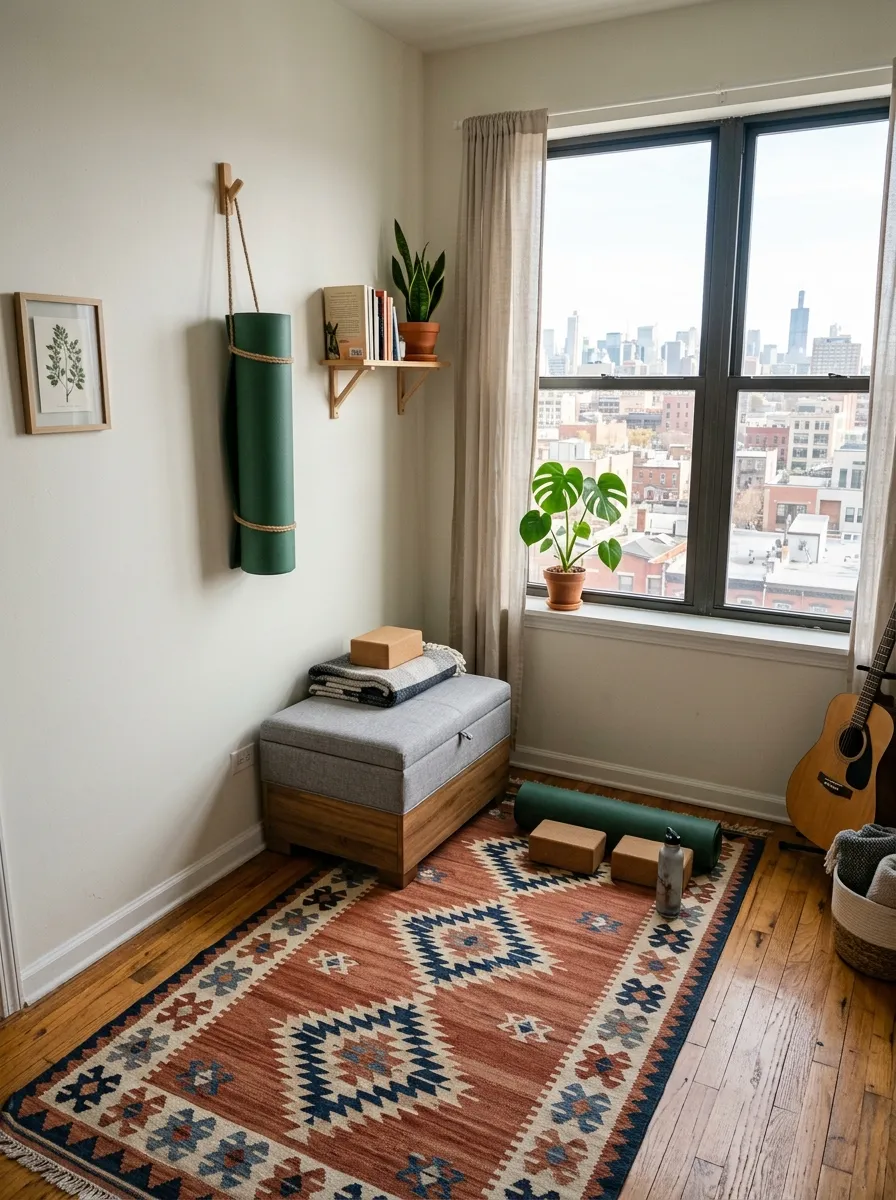
Between the sofa and the radiator, the client’s Chicago apartment offered a four-by-eight strip of floor she’d written off before we measured. We defined the strip with a rug, hung the mat on a wall hook, and folded the props into a lidded ottoman beside the sofa. In under fifty square feet, she had a clear mat zone that appeared in ten seconds and vanished just as fast. A small space yoga room solution depends on vertical storage and furniture that does double duty, which is why West Elm and IKEA ottomans and wall racks are reliable starting points in apartments from Chicago to New York. Impossible usually means unmeasured, because most apartment corners hold more room than the tape measure admits.
The Consultant’s After Notes: Fifty Square Feet
❑ A wall-hook mat holder, a lidded ottoman, and a lightweight screen or plant to define the zone.
❑ A zone of at least 4 by 8 feet, with arms-width clearance when you stretch out.
❑ Hanging the mat on the wall made the biggest difference, since it removed the setup barrier.
❑ Budget version: a wall hook from Target or Amazon and a storage ottoman, together under $60.
24. Before: A Room Too Costly to Change. After: The Budget Transformation Under $150 That Worked Anyway
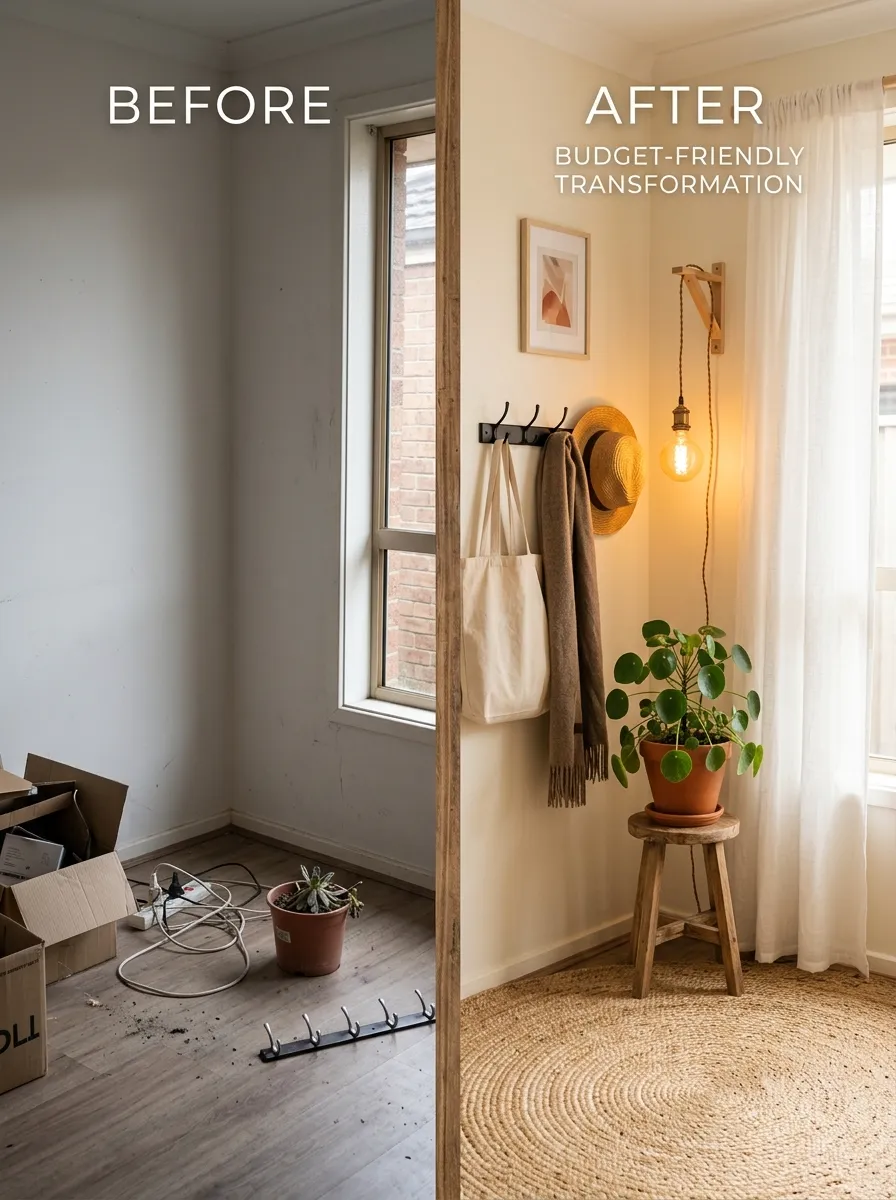
The room was lovely in the way catalog rooms are, but the owner assumed any real change would cost thousands. We spent under $150 on warm bulbs, a jute rug, a pair of sheer curtains from Target, a single plant, and one hook rail. By the end of the second visit, the room felt entirely different, and none of the changes needed a contractor. Boho yoga room aesthetic ideas thrive on this kind of low-cost layering, since natural fibers, warm light, and a plant do most of the work. The best transformations come from taste and patience rather than budget, so start small and let the room tell you what’s next.
25. After: Home Workout Room Ideas Fully Realized, Every Before Solved
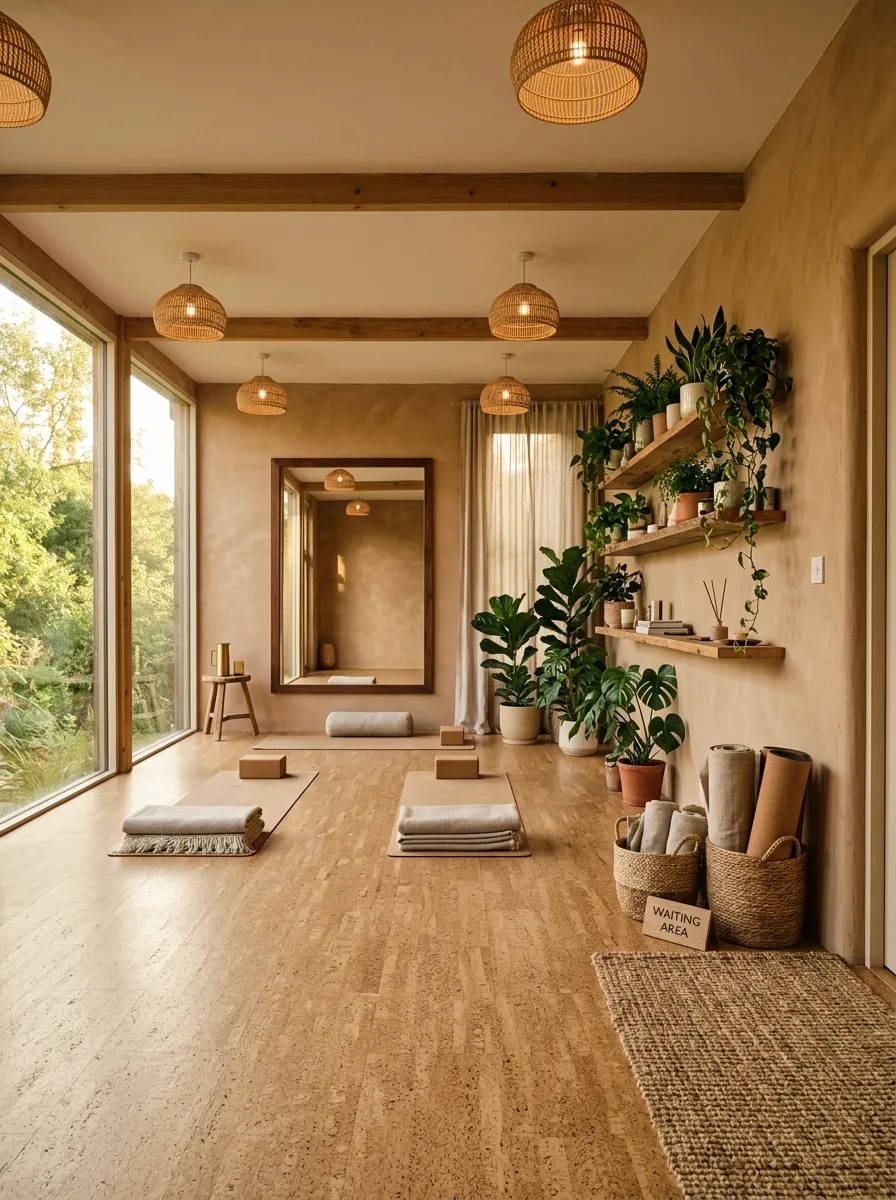
On the final visit, the room that once buzzed under a single bare bulb greeted me with warm light, a cork floor, and a mat already waiting. Every before had its after: the floor, the walls, the light, the sound, the zones, the scent, the storage, and the boundaries. My client no longer thinks about going into the room, she simply goes. A complete collection of yoga studio at home ideas like this one stays flexible, so swap in your own colors, your own plants, your own mat, and your own morning. The honest truth is that the room never needed to be perfect, only prepared, and that preparation turned a spare bedroom into her first stop of the day.
Home Movement Space Questions, Answered After the Visit
How much space do I really need for a home yoga room?
A single mat zone needs about 6 by 8 feet, which is closer to a generous closet than a full bedroom, so most homes already have the space. Home yoga room ideas start with clear floor and room to stretch your arms wide, not with square footage. For small yoga room ideas, a four-by-eight strip with the mat on a wall hook is enough. Add more only if you practice with a reformer or want a separate meditation corner.
What is the best flooring for a home pilates and yoga room?
Cork, dense rubber tiles, and a quality mat over low-pile carpet are the three most forgiving choices for both practices. For pilates room ideas that include a reformer, a firm, even surface matters more than softness. Hard floors work with a thick mat and a rug underneath. Among all home workout room ideas, flooring is the single change people feel first, so test your surface barefoot before buying anything else.
Do I need a mirror in a home yoga or pilates space?
A mirror isn’t required for yoga, but it helps pilates alignment a great deal. For yoga room ideas where you want a softer look, a single mirror on a side wall lets you check form without staring at yourself. A mirror wall home yoga studio setup works best when the bottom edge sits about a foot off the floor. If you skip it, a phone propped to film yourself works for occasional checks.
What color should I paint a home yoga room?
Soft, warm, muted tones work best: sage, oatmeal, clay, or a dusty blue. A yoga room paint color calm enough to practice in rarely has strong contrast or a glossy finish. For yoga room decor ideas, treat the paint as the background and let plants, textiles, and one piece of art carry the rest. Test a sample on the wall and look at it at 6am before you commit.
How do I store yoga and pilates props without the room looking like a supply closet?
Visible, intentional storage beats hiding everything. For yoga mat storage ideas, try a wall hook, a vertical rack, or a basket by the door, and keep blocks and straps on an open shelf. For workout room ideas at home, treat the shelf like a bookcase with two or three baskets and one plant. A home movement practice works hardest when the nutrition around it is equally considered, and our wellness meal planning guide has the specific prep ideas that fuel a consistent active home lifestyle.
What plants actually survive in a home yoga room?
Snake plants, pothos, and ZZ plants are the reliable trio, since they tolerate low light and missed waterings. For yoga room plant styling, vary heights and keep at least one plant at floor level. Home yoga room ideas that include plants should avoid anything fussy, like ferns, unless you’re sure you’ll water them. Keep leaves away from the mat zone so nothing brushes your hands in a pose.
How do I create a home workout room in a small apartment?
Start by measuring the strip of floor you can protect, then define it with a rug and keep the mat on a wall hook. Small yoga room ideas rely on vertical storage and furniture that does two jobs, like an ottoman that holds props. Home workout room ideas for an apartment also benefit from a screen or plant that signals where the practice zone begins. The visual calm you build into a movement space tends to spread, and our calming bedroom aesthetic guide shows how that same intentional quality translates into your most personal space.
Can I use the same room for pilates and yoga?
Yes, if you give each practice its own zone and keep the equipment tidy. Home pilates studio ideas that share a room with yoga usually put the reformer and mirror on one side and a clear flowing area on the other. A pilates room aesthetic leans clean and bright while a yoga one leans soft and warm, so a dimmer helps you shift between moods. A rug can mark the boundary without any construction.
What lighting works best in a home yoga and pilates room?
Think in layers: a dimmable overhead for setup, a floor lamp for warm ambient light, and an accent lamp or candle for evening. Yoga room lighting layers should sit around 2700 to 3000K for a warm, flattering glow. For yoga room ideas that include a window, filter daylight with a sheer curtain to avoid glare on the mirror. Adjust the layers to the time of day and the kind of practice.
How do I make a home gym feel like a real yoga studio?
Studio feeling comes from a few consistent choices: warm light, a clear floor, one scent, soft sound, and a thoughtful entry. Home workout room ideas that borrow from studios, like a hook rail, a shelf of folded towels, and a playlist, make the space feel hosted. Yoga studio at home ideas also benefit from a clear separation between practice and the rest of the house. The most complete home wellness environments combine a dedicated movement space with a genuine recovery ritual, and our home wellness sanctuary guide shows how to build the restorative side of that practice right alongside the active side.
The Second Visit Closes
The best home workout room ideas don’t end with a finished room, they end with a person who walks in every morning without hesitation. On my second visit, my client had her mat unrolled before I set down my bag, and that was the whole review. The most expensive or perfectly designed space isn’t the goal; the one you actually use is.
A home movement space is one room in a wellness life that needs all its rooms to work: The Muse Vale has the self-care, nutrition, and home guides to help you build every part of that life with the same intention.
Come back to The Muse Vale whenever your space needs a new perspective: we will have the home workout room ideas, wellness guides, and lifestyle content ready for every stage of your practice.